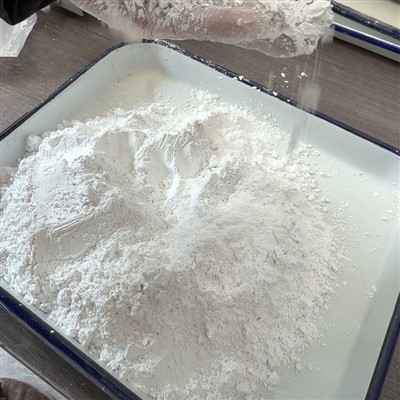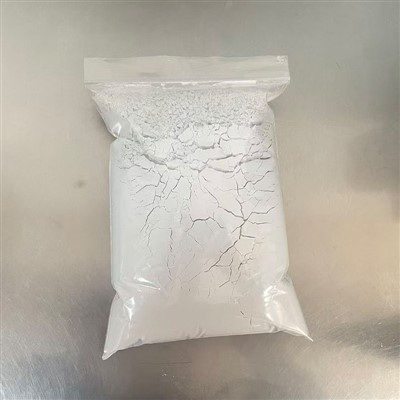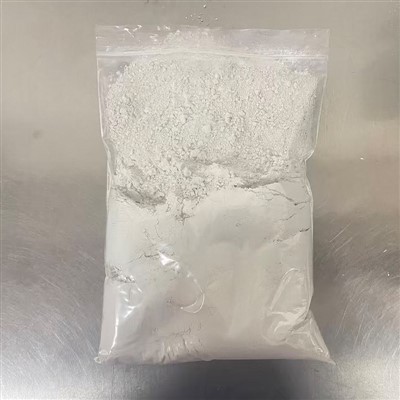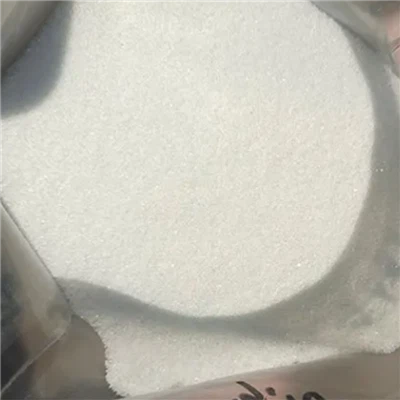
As a supplier of limestone powder, I often encounter various questions from customers, one of the most interesting being "Is limestone powder magnetic?" In this blog post, I'll delve into the scientific aspects of this question, explore the properties of limestone powder, and discuss its diverse applications.
Understanding Limestone and Its Composition
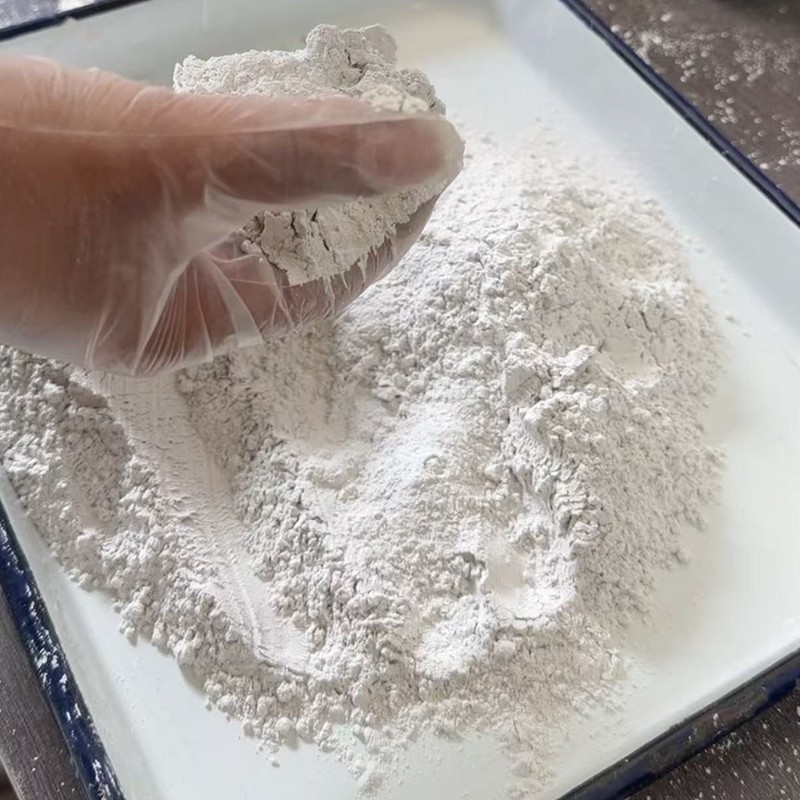
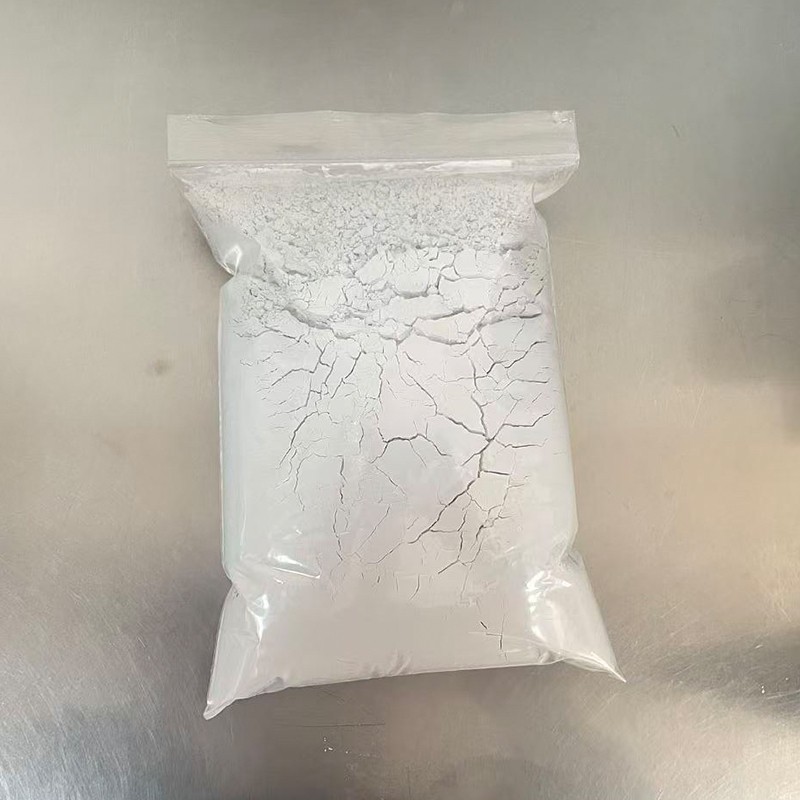
Limestone is a sedimentary rock primarily composed of calcium carbonate (CaCO₃), which forms from the accumulation of shells, coral, and other marine organisms over millions of years. When limestone is crushed and ground into a fine powder, it becomes limestone powder, which has a wide range of industrial applications.
The chemical composition of limestone powder is dominated by calcium carbonate, typically making up more than 90% of its mass. Other minor components may include magnesium carbonate, silica, alumina, and iron oxide. These impurities can vary depending on the source of the limestone and the mining location.
Magnetic Properties of Limestone Powder
To determine whether limestone powder is magnetic, we need to understand the concept of magnetism. Magnetism is a property of certain materials that can attract or repel other magnetic materials. Materials can be classified into three main categories based on their magnetic behavior: ferromagnetic, paramagnetic, and diamagnetic.
- Ferromagnetic materials are strongly attracted to magnets and can retain their magnetization even after the external magnetic field is removed. Examples of ferromagnetic materials include iron, nickel, and cobalt.
- Paramagnetic materials are weakly attracted to magnets and lose their magnetization when the external magnetic field is removed. Examples of paramagnetic materials include aluminum, platinum, and oxygen.
- Diamagnetic materials are weakly repelled by magnets and have no permanent magnetization. Examples of diamagnetic materials include copper, gold, and water.
Limestone powder is primarily composed of calcium carbonate, which is a diamagnetic material. This means that limestone powder is weakly repelled by magnets and does not exhibit any significant magnetic properties under normal conditions. The minor impurities present in limestone powder, such as iron oxide, may have some paramagnetic or ferromagnetic properties, but their concentration is usually too low to make the entire powder magnetic.
Applications of Limestone Powder
Despite its lack of magnetic properties, limestone powder has a wide range of applications in various industries due to its unique physical and chemical properties. Some of the common applications of limestone powder include:
- Construction Industry: Limestone powder is widely used in the construction industry as a filler and extender in cement, concrete, and mortar. It improves the workability, strength, and durability of these materials, making them more suitable for various construction applications.
- Agriculture: Limestone powder is used as a soil conditioner to neutralize acidic soils and provide essential nutrients such as calcium and magnesium to plants. It helps improve soil structure, water retention, and nutrient availability, leading to better crop yields.
- Paint and Coatings: Limestone powder is used as a pigment and filler in paints and coatings to improve their opacity, whiteness, and durability. It also helps reduce the cost of the final product by replacing more expensive pigments. You can find more information about Limestone Powder for Paint.
- Paper Industry: Limestone powder is used as a filler in paper manufacturing to improve the brightness, smoothness, and printability of paper. It also helps reduce the cost of paper production by replacing more expensive pulp.
- Plastics and Rubber Industry: Limestone powder is used as a filler in plastics and rubber products to improve their mechanical properties, such as strength, stiffness, and impact resistance. It also helps reduce the cost of the final product by replacing more expensive polymers.
Quality Control and Testing
As a supplier of limestone powder, ensuring the quality and consistency of our products is of utmost importance. We have a strict quality control system in place to ensure that our limestone powder meets the highest standards of purity, particle size, and chemical composition.
We conduct regular testing of our limestone powder using advanced analytical techniques such as X-ray fluorescence (XRF), scanning electron microscopy (SEM), and laser diffraction particle size analysis. These tests help us determine the chemical composition, particle size distribution, and surface morphology of our limestone powder, ensuring that it meets the specific requirements of our customers.
Conclusion
In conclusion, limestone powder is not magnetic due to its primarily diamagnetic composition. However, it has a wide range of applications in various industries due to its unique physical and chemical properties. As a supplier of limestone powder, we are committed to providing high-quality products that meet the specific needs of our customers.
If you are interested in purchasing limestone powder for your industrial or commercial applications, please feel free to contact us for more information. We would be happy to discuss your requirements and provide you with a competitive quote.
References
- "Limestone: The Calcium Carbonate Chemical Sedimentary Rock." Geology.com.
- "Properties and Uses of Limestone." ThoughtCo.
- "Limestone in Construction: Uses, Advantages, and Disadvantages." Civil Engineering Portal.