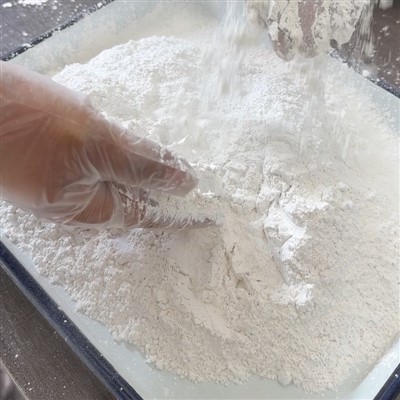
Hey there! As a supplier of natural limestone powder, I've been getting a lot of questions lately about how it affects the setting time of cement. So, I thought I'd dive into this topic and share what I've learned.
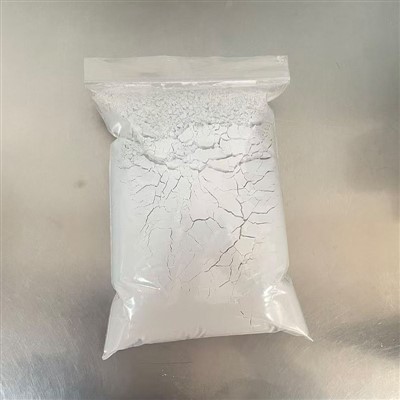
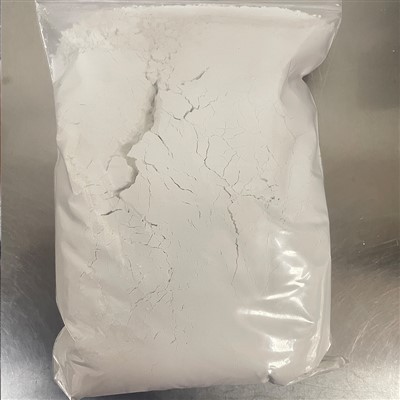
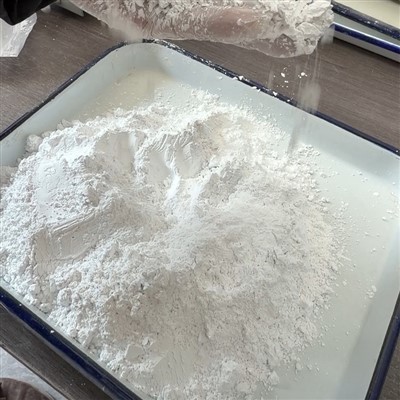
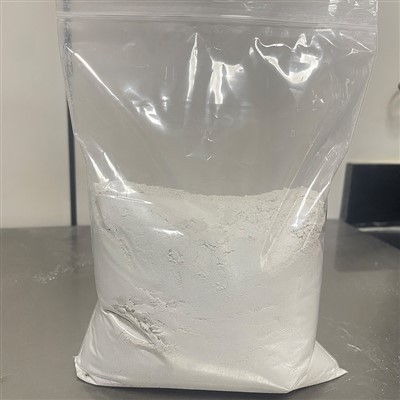
First off, let's talk a bit about what natural limestone powder is. It's a fine powder that's made from crushing and grinding limestone, which is a sedimentary rock composed mainly of calcium carbonate. Limestone has been used in construction for ages, and natural limestone powder has a whole bunch of applications, like in Limestone Chuna Powder, Limestone Powder For Paint, and Micronized Limestone.
Now, onto the main question: how does natural limestone powder influence the setting time of cement?
The Basics of Cement Setting
Before we get into the effects of limestone powder, let's quickly go over how cement sets. When cement is mixed with water, a series of chemical reactions called hydration occurs. These reactions cause the cement paste to harden and gain strength over time. The setting time of cement is divided into two main stages: the initial setting time and the final setting time.
The initial setting time is when the cement paste starts to lose its plasticity and begins to set. This is usually around 30 minutes to an hour after mixing. The final setting time is when the cement has fully hardened and can withstand a certain amount of pressure. It typically occurs within 6 to 10 hours after mixing.


The Influence of Natural Limestone Powder
When natural limestone powder is added to cement, it can have several effects on the setting time.
1. Acceleration of Initial Setting
In some cases, adding a small amount of natural limestone powder can accelerate the initial setting time of cement. This is because the limestone powder provides additional nucleation sites for the hydration products to form. Nucleation is the process by which tiny crystals start to form in the cement paste. With more nucleation sites, the hydration reactions can start more quickly, leading to a faster initial setting.
For example, studies have shown that when up to 10% of the cement is replaced with natural limestone powder, the initial setting time can be reduced by about 15 - 30 minutes. This can be beneficial in situations where you need the cement to start setting quickly, like in cold weather or when you're working on a project with a tight schedule.
2. Retardation of Final Setting
On the other hand, larger amounts of natural limestone powder can retard the final setting time of cement. This is because the limestone powder can react with the calcium hydroxide produced during the hydration of cement to form calcium carbonate. This reaction consumes some of the calcium hydroxide, which is an important component in the later stages of cement hydration. As a result, the final setting time can be extended.
If you replace more than 10% of the cement with natural limestone powder, the final setting time can be increased by several hours. This might be useful in some cases, like when you're working on a large project and need more time to work with the cement before it fully hardens.
3. Particle Size and Reactivity
The particle size of the natural limestone powder also plays a role in its influence on the setting time of cement. Finer limestone powder has a larger surface area, which means it can react more quickly with the cement and water. This can lead to a more significant effect on the setting time, either accelerating the initial setting or retarding the final setting, depending on the amount added.
Coarser limestone powder, on the other hand, may have a less pronounced effect on the setting time because it has a smaller surface area and reacts more slowly.
Factors Affecting the Influence
There are several other factors that can affect how natural limestone powder influences the setting time of cement.
1. Cement Type
Different types of cement have different chemical compositions and hydration characteristics. For example, Portland cement and blended cements may react differently to the addition of natural limestone powder. Portland cement is more reactive and may show a more significant change in setting time when limestone powder is added compared to some blended cements.
2. Water - Cement Ratio
The water - cement ratio is the amount of water used relative to the amount of cement in the mixture. A higher water - cement ratio can dilute the effect of the limestone powder on the setting time. This is because there is more water available for the hydration reactions, and the influence of the additional nucleation sites or the reaction with calcium hydroxide may be less pronounced.
3. Temperature
Temperature also has a big impact on the setting time of cement. In general, higher temperatures accelerate the hydration reactions and the setting time of cement. When natural limestone powder is added, the effect of temperature on the setting time can be more complex. At higher temperatures, the acceleration of the initial setting due to the limestone powder may be more pronounced, but the retardation of the final setting may be less significant.
Applications and Benefits
Understanding how natural limestone powder affects the setting time of cement can be really useful in different construction applications.
1. Precast Concrete
In precast concrete production, where fast setting is often required, a small amount of natural limestone powder can be added to accelerate the initial setting time. This allows the precast elements to be demolded earlier, increasing the production efficiency.
2. Mass Concrete
For mass concrete projects, such as dams or large foundations, a retardation of the final setting time can be beneficial. By adding a larger amount of natural limestone powder, the heat generated during the hydration process can be dissipated more slowly, reducing the risk of thermal cracking.
3. Cost Savings
Using natural limestone powder as a partial replacement for cement can also lead to cost savings. Limestone is a relatively inexpensive material, and by replacing some of the cement with limestone powder, you can reduce the overall cost of the concrete without sacrificing too much in terms of performance.
Conclusion
So, there you have it! Natural limestone powder can have a significant influence on the setting time of cement, either accelerating the initial setting or retarding the final setting, depending on the amount added, the particle size, and other factors. As a supplier of natural limestone powder, I'm always happy to help you find the right solution for your construction needs.
If you're interested in using natural limestone powder in your projects and want to discuss more about its effects on cement setting time or other aspects, feel free to reach out. We can have a chat and figure out the best way to incorporate it into your work.
References
- Neville, A. M. (2011). Properties of Concrete. Pearson Education.
- Mehta, P. K., & Monteiro, P. J. M. (2013). Concrete: Microstructure, Properties, and Materials. McGraw - Hill.