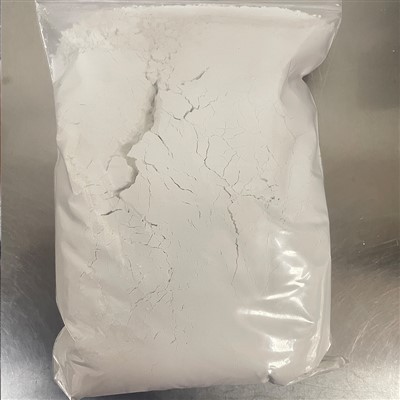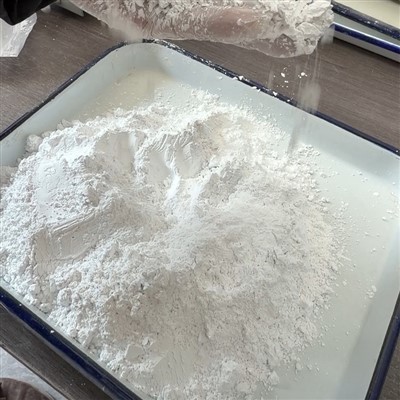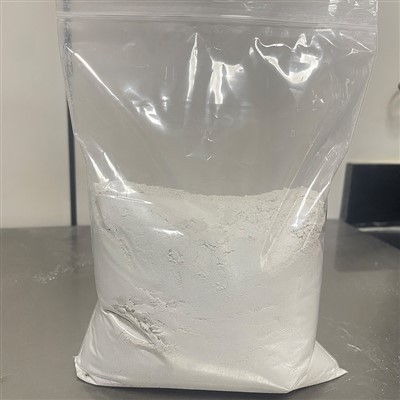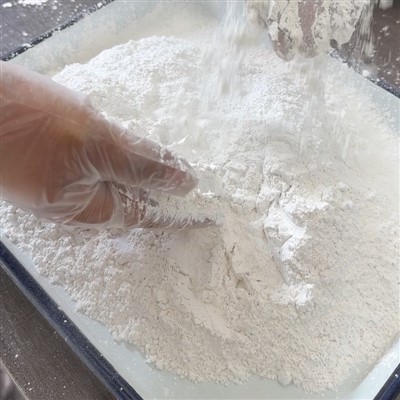
Hey there! I'm a supplier of Composite Alkali Powder, and I've seen firsthand how important it is to handle this stuff right. In this blog, I'm gonna share some tips on how to dispose of Composite Alkali Powder properly.
What is Composite Alkali Powder?
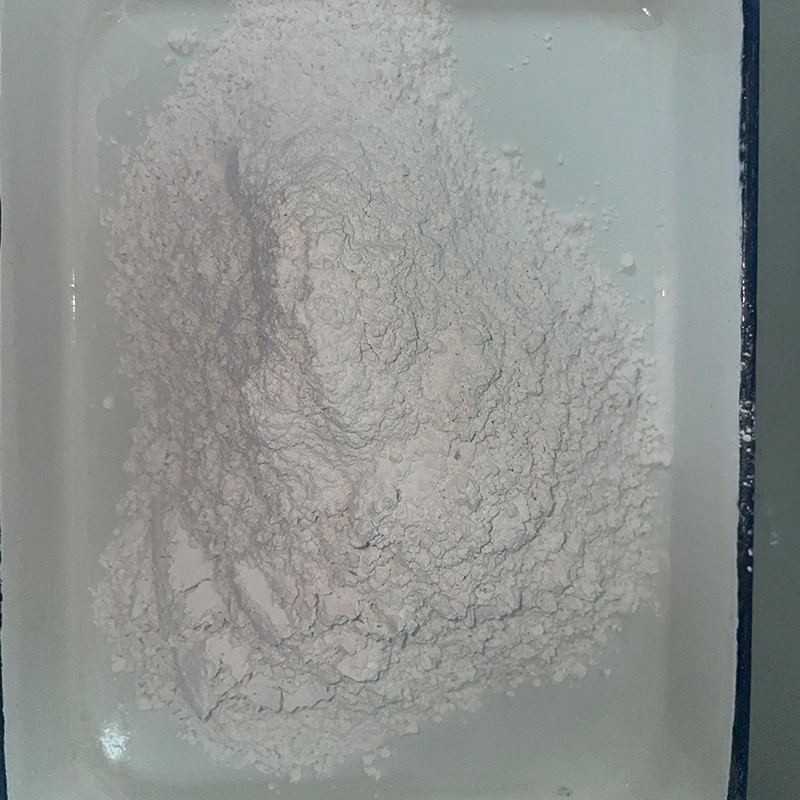
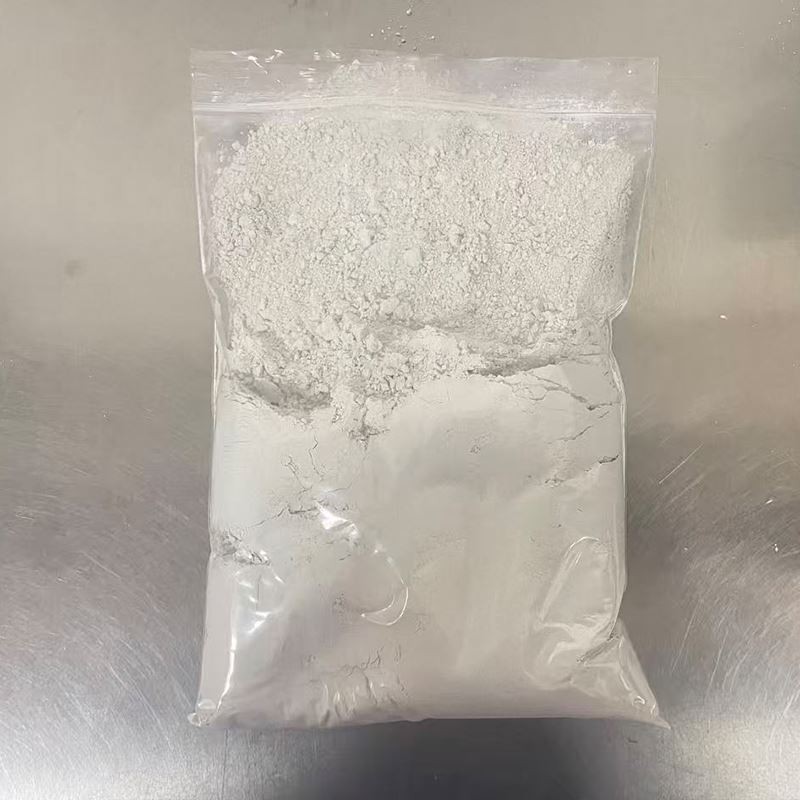
Before we dive into the disposal methods, let's quickly go over what Composite Alkali Powder is. Composite Alkali Powder, also known as Industrial Composite Alkali Powder, is a mixture of different alkaline substances. It's used in a variety of industrial applications, like water treatment, soap making, and even in some food processing. It's a pretty versatile product, but it also comes with some risks if not handled correctly.
Why Proper Disposal is Crucial
Composite Alkali Powder is alkaline, which means it can be corrosive. If it's not disposed of properly, it can cause harm to the environment and human health. For example, if it gets into water sources, it can change the pH level of the water, which can be harmful to aquatic life. It can also cause skin and eye irritation if it comes into contact with humans. So, it's really important to follow the right procedures when getting rid of it.
Step-by-Step Guide to Proper Disposal
1. Check the Local Regulations
The first thing you need to do is check your local regulations regarding the disposal of hazardous materials. Different areas have different rules, so it's important to know what you're allowed to do. You can usually find this information on your local government's website or by contacting your local environmental agency.
2. Store the Powder Safely
Before you dispose of the Composite Alkali Powder, you need to make sure it's stored safely. Keep it in a sealed container in a cool, dry place. Make sure the container is clearly labeled with the name of the product and any hazard warnings. This will help prevent any accidental spills or leaks.
3. Neutralize the Powder (if possible)
If you have a small amount of Composite Alkali Powder, you might be able to neutralize it before disposal. You can do this by adding an acid to the powder. However, this should only be done by someone who has the proper training and equipment. Make sure to follow the safety guidelines when handling acids.
4. Contact a Professional Disposal Service
For larger amounts of Composite Alkali Powder, it's best to contact a professional disposal service. These services are trained to handle hazardous materials safely and will ensure that the powder is disposed of in an environmentally friendly way. They will also be able to provide you with the necessary documentation for proper record-keeping.
5. Dispose of Containers Properly
Don't forget about the containers that the Composite Alkali Powder came in. These containers can also be hazardous if not disposed of properly. Make sure to clean them thoroughly before recycling or disposing of them. You can usually find recycling guidelines for hazardous material containers on your local recycling center's website.
Common Mistakes to Avoid
- Dumping in the Trash: Never dump Composite Alkali Powder in the regular trash. This can cause problems at the landfill and can also be a safety hazard for the workers.
- Pouring Down the Drain: Pouring the powder down the drain can cause damage to your plumbing and can also contaminate the water supply.
- Ignoring Safety Precautions: Always wear protective gear, like gloves and goggles, when handling Composite Alkali Powder. This will help prevent any skin or eye irritation.
Conclusion
Proper disposal of Composite Alkali Powder is essential for protecting the environment and human health. By following the steps outlined in this blog, you can ensure that you're doing your part to handle this product safely. If you have any questions or need more information, feel free to reach out. And if you're in the market for Composite Alkali Powder or Mixed Alkali Powder, I'd be happy to discuss your needs and provide you with a quote. Just drop me a line, and we can start the conversation.
References
- Environmental Protection Agency. (n.d.). Hazardous Waste Management. Retrieved from [EPA Website]
- Occupational Safety and Health Administration. (n.d.). Hazardous Materials Handling. Retrieved from [OSHA Website]