Hey there! As a slaked lime powder supplier, I often get asked about the optical properties of this stuff. It might not be the first thing that comes to mind when you think about slaked lime powder, but it's actually pretty interesting. So, let's dive right in and explore what makes the optical properties of slaked lime powder unique.
What is Slaked Lime Powder?
First off, let's quickly cover what slaked lime powder is. Slaked lime, also known as hydrated lime, is made by adding water to quicklime (calcium oxide). The chemical reaction that occurs during this process is called slaking, and it results in the formation of calcium hydroxide, which is the main component of slaked lime powder.
Slaked lime powder has a wide range of applications, from water treatment and soil stabilization to the production of building materials and even in the food industry. But today, we're focusing on its optical properties.
Color and Appearance
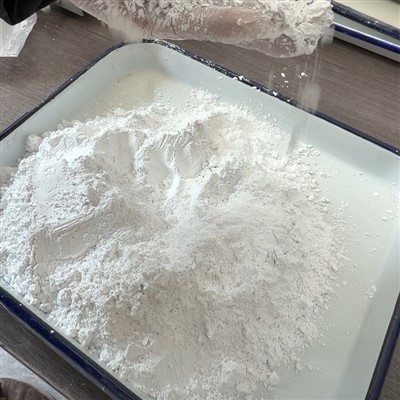
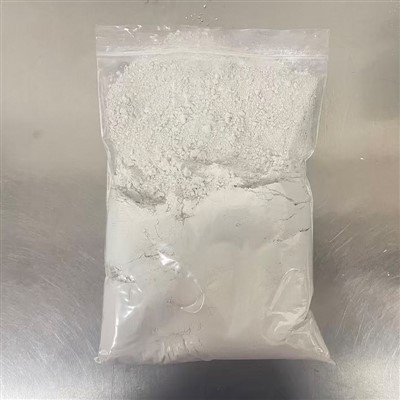
One of the most obvious optical properties of slaked lime powder is its color. It's typically a white or off - white powder. This white color is due to the way the powder reflects light. The particles of slaked lime powder are small and have a relatively uniform size and shape. When light hits these particles, it gets scattered in all directions. Since most of the visible light spectrum is reflected rather than absorbed, the powder appears white to our eyes.
The whiteness of slaked lime powder is an important characteristic, especially in applications where color is a factor. For example, in the production of paints and coatings, a high - quality slaked lime powder with a bright white color can enhance the overall appearance of the final product. If you're looking for a high - quality white slaked lime powder, you can check out our High Purity Slaked Lime Powder.
Transparency and Opacity
Slaked lime powder is generally opaque. This means that light cannot pass through it easily. The small particles of the powder scatter and absorb light, preventing it from transmitting through the material. In some cases, when slaked lime is used in a thin layer or in a mixture with other substances, it may have a semi - transparent appearance, but in its pure powder form, it's mostly opaque.
This opacity can be useful in certain applications. For instance, in the paper industry, slaked lime powder can be added to paper pulp to improve its opacity. This makes the paper look more solid and less see - through, which is desirable for many types of paper products.


Refractive Index
The refractive index is a measure of how much light bends when it passes from one medium to another. For slaked lime powder, the refractive index is an important optical property. The refractive index of slaked lime is around 1.57. This value indicates how the powder interacts with light.
When light enters a medium with a different refractive index, it changes direction. In the case of slaked lime powder, the relatively high refractive index means that light will bend significantly when it passes through the powder. This bending of light can affect how the powder appears to us and how it behaves in optical systems.
Light Scattering
As mentioned earlier, light scattering is a key optical property of slaked lime powder. The small particles of the powder act as scattering centers for light. When light hits these particles, it gets deflected in different directions.
There are two main types of light scattering: Rayleigh scattering and Mie scattering. Rayleigh scattering occurs when the particle size is much smaller than the wavelength of the light. In the case of slaked lime powder, the particle size is often in the range where Mie scattering is more dominant. Mie scattering is more complex and depends on the size, shape, and refractive index of the particles.
The light - scattering properties of slaked lime powder can be used in various applications. For example, in the cosmetics industry, slaked lime powder can be used as a filler to give products a more natural and diffused appearance. The scattered light softens the look of the skin, making it appear smoother and more even.
Fluorescence
In general, slaked lime powder does not exhibit significant fluorescence. Fluorescence is the emission of light by a substance after it has absorbed light of a different wavelength. While there may be some trace impurities in slaked lime powder that could potentially cause a weak fluorescent effect, it's not a prominent optical property of the pure powder.
However, in some industrial processes where slaked lime is used in combination with other substances, fluorescence might be observed. For example, if there are certain additives or contaminants present, they could interact with the slaked lime and cause a fluorescent response under specific lighting conditions.
Impact of Particle Size on Optical Properties
The particle size of slaked lime powder has a significant impact on its optical properties. Smaller particles tend to scatter light more effectively, resulting in a brighter and more uniform appearance. They also have a higher surface area, which can increase the amount of light that is reflected or absorbed.
On the other hand, larger particles may cause more irregular light scattering and can make the powder appear coarser. In applications where a smooth and consistent appearance is required, a slaked lime powder with a smaller particle size is often preferred. Our Hydrolyzed Lime Powder is carefully processed to have a controlled particle size, ensuring optimal optical properties for various applications.
Applications Based on Optical Properties
The optical properties of slaked lime powder play a crucial role in many of its applications. Here are some examples:
- Paints and Coatings: As mentioned earlier, the white color and light - scattering properties of slaked lime powder make it a valuable ingredient in paints and coatings. It can improve the hiding power, brightness, and overall appearance of the paint.
- Plastics: In the plastics industry, slaked lime powder can be used as a filler. Its optical properties can enhance the color and appearance of the plastic products, making them more attractive to consumers.
- Ceramics: Slaked lime powder can be added to ceramic glazes to improve their opacity and color. The light - scattering properties of the powder can give the ceramics a more uniform and appealing finish.
Quality Control and Optical Properties
As a slaked lime powder supplier, we pay close attention to the optical properties of our products. Quality control is essential to ensure that our customers get the best - quality powder with consistent optical characteristics.
We use advanced testing methods to measure the color, whiteness, and particle size of our slaked lime powder. By maintaining strict quality control standards, we can guarantee that our products meet the specific requirements of different industries. If you're interested in our high - quality slaked lime powder, you can check out our Lime Hydrated Powder.
Conclusion
In conclusion, the optical properties of slaked lime powder are diverse and play an important role in many applications. From its white color and opacity to its light - scattering and refractive index, these properties make slaked lime powder a versatile material.
If you're in the market for slaked lime powder and want to learn more about how its optical properties can benefit your specific application, don't hesitate to get in touch. We're here to help you find the right product for your needs and to answer any questions you might have. Let's start a conversation and see how we can work together to meet your requirements.
References
- "Handbook of Industrial Chemistry and Biotechnology" by James A. Kent
- "The Chemistry of Lime and Limestone" by Donald L. Kilgore