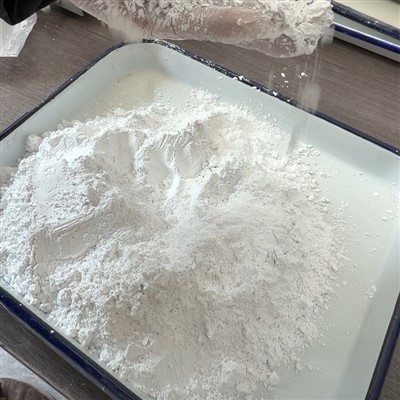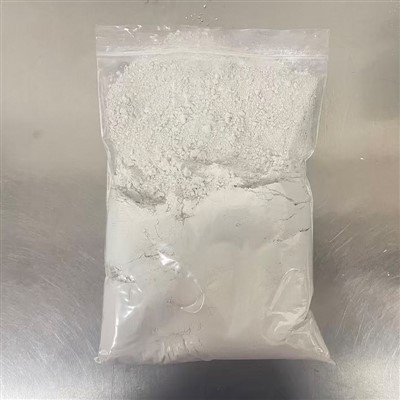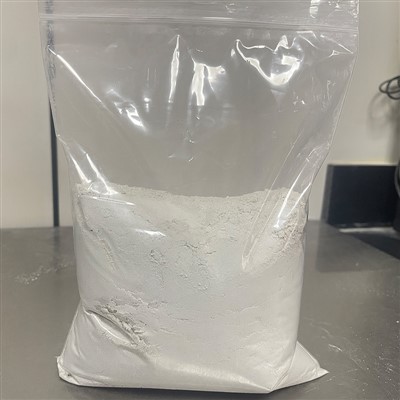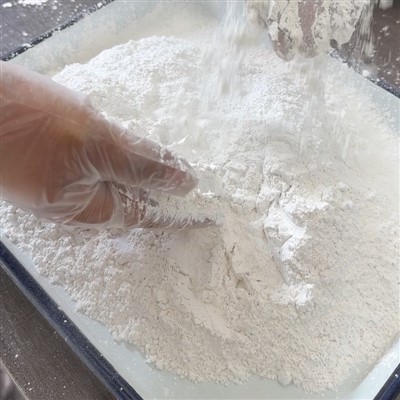
Improving the dispersibility of Mixed Alkali Powder is a crucial aspect for its efficient application in various industries. As a supplier of Mixed Alkali Powder, I have witnessed firsthand the significance of ensuring optimal dispersibility to meet the diverse needs of our customers. In this blog, I will share some insights and strategies on how to enhance the dispersibility of Mixed Alkali Powder.
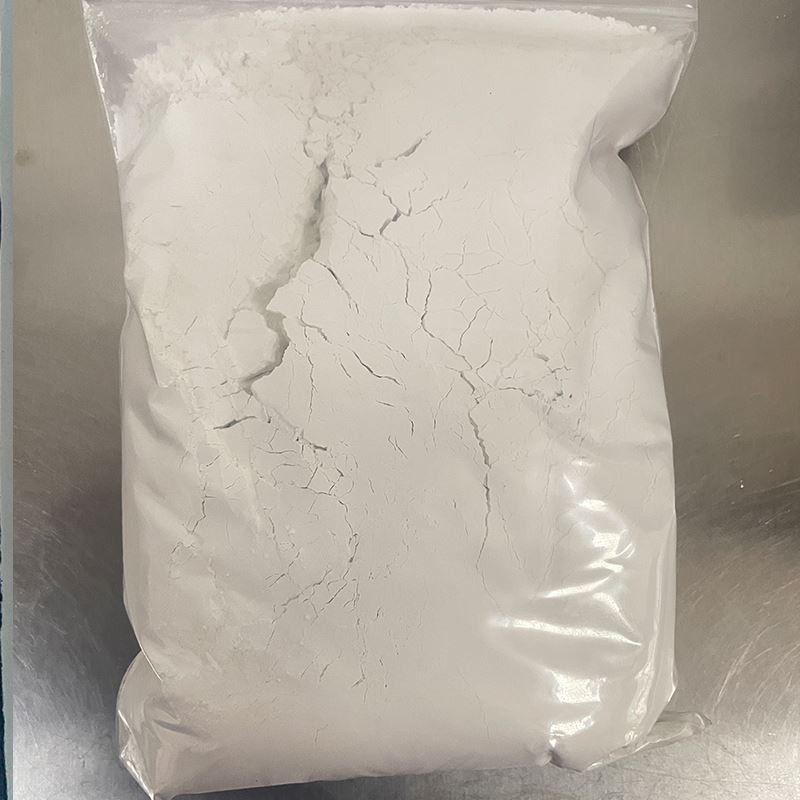
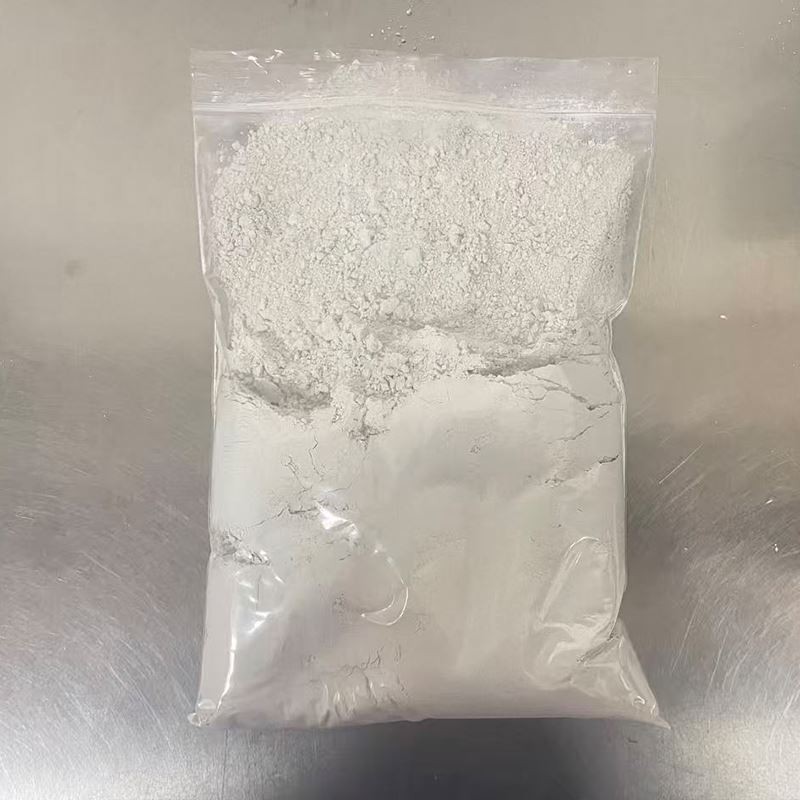
Understanding Mixed Alkali Powder
Mixed Alkali Powder is a versatile product with a wide range of applications in industries such as detergents, water treatment, and construction. It is a combination of different alkali compounds, which offers unique properties and benefits. Mixed Alkali Powder can be used as a pH regulator, a cleaning agent, and a builder in various formulations. However, its performance is highly dependent on its dispersibility in the medium.
Factors Affecting Dispersibility
Several factors can influence the dispersibility of Mixed Alkali Powder. These include particle size, surface properties, and the nature of the dispersing medium.
- Particle Size: Smaller particle sizes generally lead to better dispersibility. Finer particles have a larger surface area, which allows for more efficient interaction with the dispersing medium. However, achieving extremely small particle sizes can be challenging and may require specialized equipment and processes.
- Surface Properties: The surface properties of the powder, such as surface charge and hydrophobicity, can also affect its dispersibility. Powders with a high surface charge tend to repel each other, which can prevent agglomeration and improve dispersibility. Hydrophobic powders may require the use of surfactants or other dispersing agents to enhance their wetting and dispersion in aqueous media.
- Dispersing Medium: The nature of the dispersing medium, such as its viscosity, pH, and ionic strength, can have a significant impact on the dispersibility of the powder. For example, a high - viscosity medium may make it more difficult for the powder to disperse, while a medium with an inappropriate pH or ionic strength can cause the powder to agglomerate.
Strategies to Improve Dispersibility
Particle Size Control
One of the most effective ways to improve the dispersibility of Mixed Alkali Powder is to control its particle size. This can be achieved through various methods, such as milling and classification.
- Milling: Milling is a common method for reducing the particle size of powders. Ball milling, jet milling, and attrition milling are some of the techniques that can be used. Ball milling involves the use of balls in a rotating drum to break down the particles. Jet milling uses high - velocity jets of gas to impact the particles and reduce their size. Attrition milling uses a high - speed stirrer to agitate the particles and break them down.
- Classification: After milling, classification can be used to separate the particles based on their size. This ensures that the powder has a narrow particle size distribution, which is beneficial for dispersibility. Air classification is a commonly used method, where the powder is passed through a stream of air, and the particles are separated based on their aerodynamic properties.
Surface Modification
Surface modification can also be used to improve the dispersibility of Mixed Alkali Powder. This involves changing the surface properties of the powder to enhance its interaction with the dispersing medium.
- Coating: Coating the powder with a thin layer of a suitable material can improve its dispersibility. For example, coating the powder with a surfactant can reduce its surface tension and improve its wetting in aqueous media. Silane coupling agents can also be used to modify the surface of the powder, making it more compatible with organic solvents.
- Surface Charge Modification: Adjusting the surface charge of the powder can also improve its dispersibility. This can be achieved by adding electrolytes or other charged species to the dispersing medium. For example, adding a small amount of a cationic surfactant can increase the positive surface charge of the powder, which can prevent agglomeration.
Use of Dispersing Agents
Dispersing agents are substances that can improve the dispersibility of powders in a medium. They work by reducing the surface tension between the powder and the dispersing medium and preventing the particles from agglomerating.
- Surfactants: Surfactants are one of the most commonly used dispersing agents. They have a hydrophilic head and a hydrophobic tail, which allows them to adsorb onto the surface of the powder particles and reduce their surface tension. Non - ionic surfactants, such as polyethylene glycol ethers, are often used in aqueous systems, while anionic and cationic surfactants can be used in specific applications.
- Polymers: Polymers can also be used as dispersing agents. They can adsorb onto the surface of the powder particles and form a steric barrier, which prevents the particles from coming into contact and agglomerating. Polyacrylic acid and its salts are commonly used polymers for dispersing powders in aqueous media.
Process Optimization
Optimizing the mixing and dispersion process can also improve the dispersibility of Mixed Alkali Powder.
- Mixing Equipment: Using the right mixing equipment is crucial for achieving good dispersion. High - shear mixers, such as homogenizers and colloid mills, can be used to break down agglomerates and ensure uniform dispersion of the powder in the medium.
- Mixing Time and Speed: The mixing time and speed also play an important role in the dispersibility of the powder. Longer mixing times and higher mixing speeds generally lead to better dispersion. However, excessive mixing can also cause degradation of the powder or the dispersing medium.
Application - Specific Considerations
The dispersibility requirements of Mixed Alkali Powder may vary depending on the specific application. For example, in detergent formulations, the powder needs to disperse quickly in water to ensure effective cleaning. In water treatment applications, the powder needs to be evenly dispersed in the water to achieve the desired pH adjustment.
- Detergent Applications: In detergent formulations, the use of surfactants and polymers can help improve the dispersibility of Mixed Alkali Powder. The powder should be added to the detergent formulation at the right stage to ensure proper dispersion. For example, adding the powder during the mixing process can help it disperse more evenly.
- Water Treatment Applications: In water treatment applications, the powder needs to be dispersed in the water quickly to achieve the desired pH adjustment. Using a high - shear mixer or a dispersing agent can help improve the dispersibility of the powder in water.
Conclusion
Improving the dispersibility of Mixed Alkali Powder is essential for its effective use in various industries. By controlling the particle size, modifying the surface properties, using dispersing agents, and optimizing the mixing process, we can enhance the dispersibility of the powder and meet the diverse needs of our customers. As a supplier of Mixed Alkali Powder, Alkali Composite Powder, and Composite Alkali Powder, we are committed to providing high - quality products with excellent dispersibility. If you are interested in purchasing our products or have any questions about improving the dispersibility of our powders, please feel free to contact us for further discussion and procurement negotiation.
References
- McClements, D. J. (2015). Food Emulsions: Principles, Practice, and Techniques. CRC Press.
- Tadros, T. F. (2005). Encyclopedia of Surface and Colloid Science. Taylor & Francis.
- Stokes, J. R., & Robinson, R. A. (1966). Electrolyte Solutions. Butterworths.