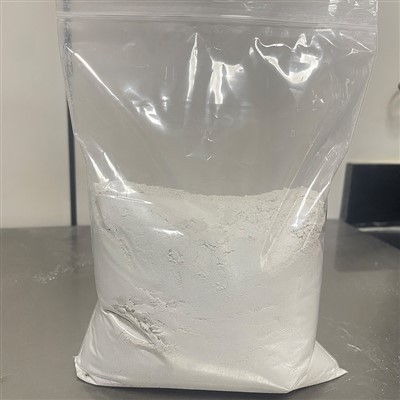
Hey there! I'm a supplier of micronized calcite, and today I want to dig into the question: Can micronized calcite be used in sealants?
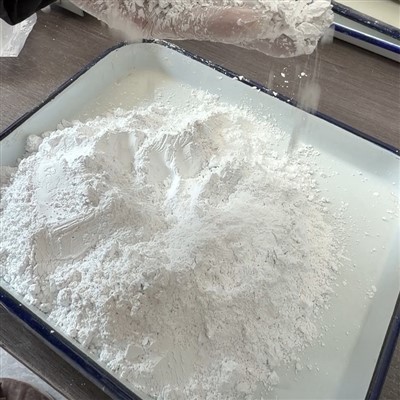
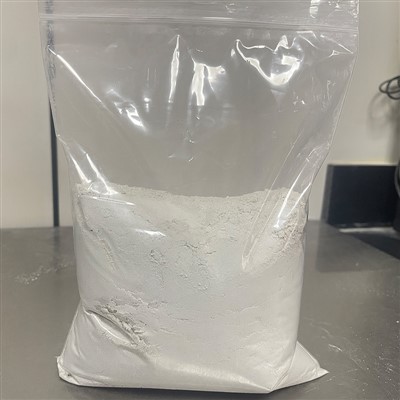
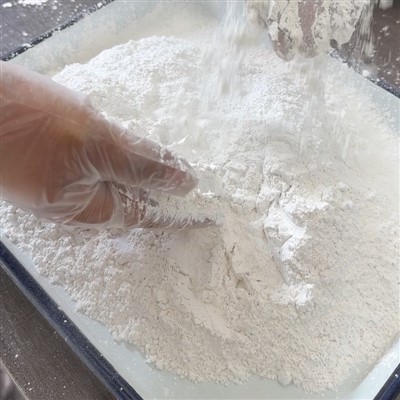
Let's start with what micronized calcite is. Micronized calcite is a finely - ground form of calcium carbonate. It's made by grinding calcite rock down to a very small particle size, often in the micron range. This fine powder has a lot of unique properties that make it interesting for various applications.
When it comes to sealants, the requirements are pretty specific. Sealants need to have good adhesion, flexibility, and durability. They also need to be able to resist environmental factors like moisture, heat, and chemicals. So, can micronized calcite fit the bill?


One of the key advantages of using micronized calcite in sealants is its particle size. The small particles can fill in tiny gaps and voids in the sealant, which helps to improve its overall density and strength. This means that the sealant can form a better barrier against air, water, and other substances. For example, in a building sealant, this can prevent water from seeping into the structure, which is crucial for maintaining the integrity of the building over time.
Another benefit is its chemical stability. Calcite is a very stable compound, and micronized calcite retains this stability. It doesn't react easily with most chemicals, which makes it suitable for use in sealants that need to withstand harsh chemical environments. For instance, in industrial settings where there are corrosive chemicals, a sealant with micronized calcite can provide long - lasting protection.
In terms of cost - effectiveness, micronized calcite is a great option. It's relatively inexpensive compared to some other materials that could be used in sealants. This makes it an attractive choice for manufacturers who are looking to keep their production costs down without sacrificing quality.
Let's talk about the types of sealants where micronized calcite can be used. In construction sealants, it can be added to silicone - based or polyurethane - based sealants. These sealants are commonly used for sealing joints in buildings, such as around windows and doors. The micronized calcite helps to improve the sealant's adhesion to the surfaces and its resistance to weathering.
In automotive sealants, micronized calcite can also play an important role. It can be used in gaskets and other sealing components to improve their performance. For example, in engine seals, it can help to prevent oil and coolant leaks, which is essential for the proper functioning of the engine.
Now, let's look at some of the potential drawbacks. One thing to consider is that the addition of micronized calcite may affect the viscosity of the sealant. If too much is added, the sealant may become too thick and difficult to apply. However, with proper formulation and testing, this can be easily managed.
Another aspect is the potential for dust generation during the manufacturing process. Since micronized calcite is a fine powder, there is a risk of dust inhalation if proper safety measures are not in place. But again, this can be mitigated with the use of appropriate ventilation and personal protective equipment.
If you're interested in learning more about different types of calcite products, you can check out these links. You can find more info about Fine Calcite Powder, Calcite Powder for Cow, and Calcite Dust.
In conclusion, micronized calcite can definitely be used in sealants. Its unique properties, such as small particle size, chemical stability, and cost - effectiveness, make it a valuable addition to many sealant formulations. Whether it's for construction, automotive, or other applications, micronized calcite has the potential to improve the performance and durability of sealants.
If you're in the market for micronized calcite for your sealant production or other applications, I'd love to have a chat with you. We can discuss your specific needs and how our micronized calcite can meet them. Reach out to me, and let's start a conversation about how we can work together to create high - quality sealants.
References:
- Various industry reports on sealant materials and calcite applications.
- Research papers on the properties of micronized calcite.