



Calcium Carbonate Powder
Calcium Carbonate Powder Manufacturer & Bulk Supplier for Industrial Fillers, Plastics and Coatings
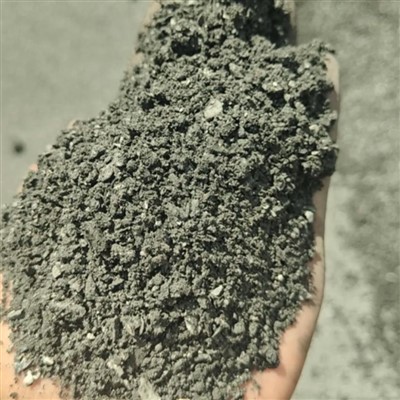
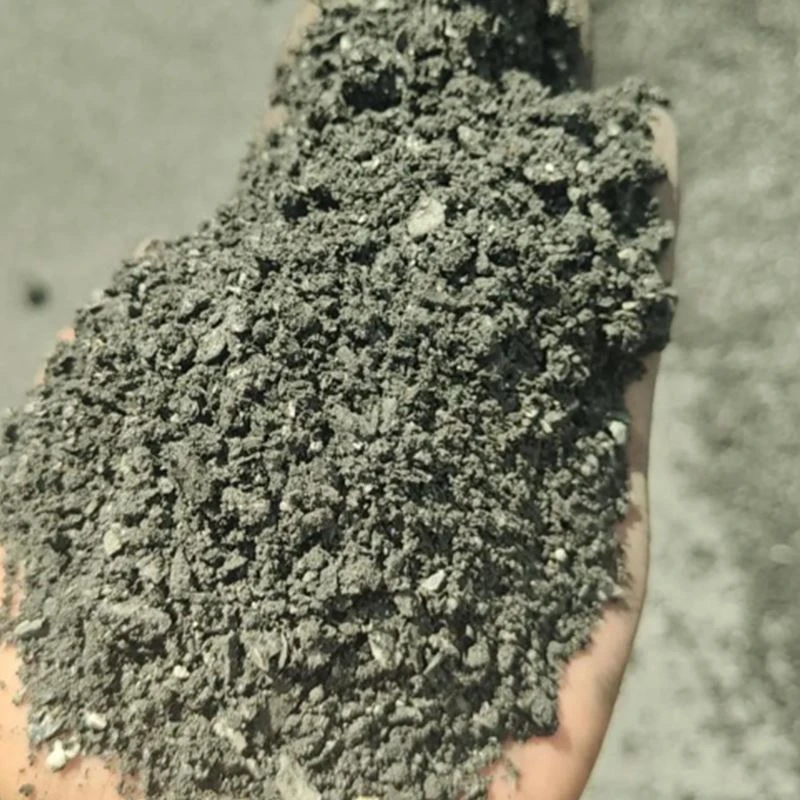
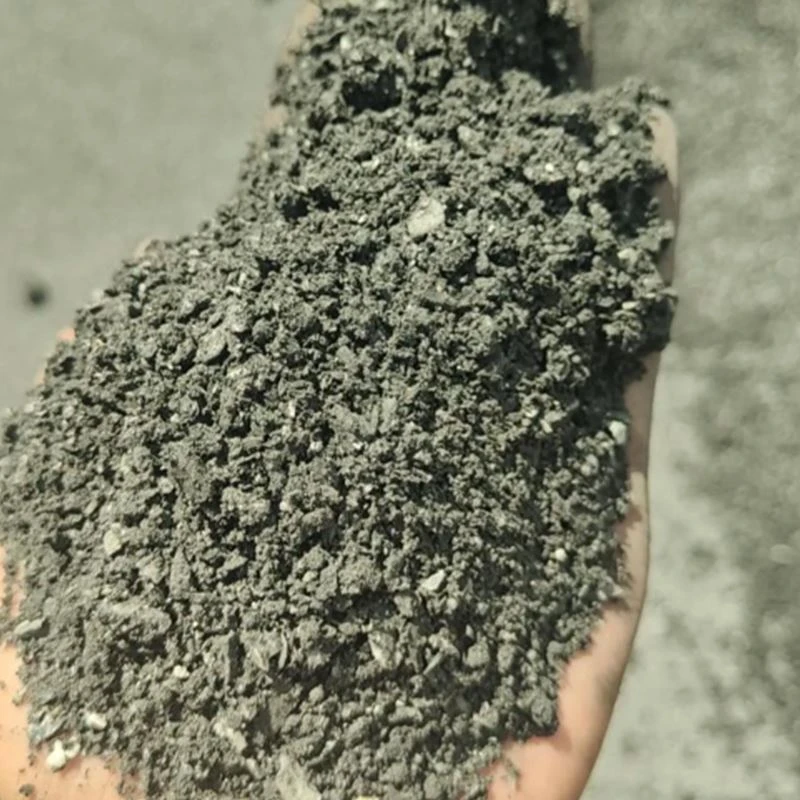
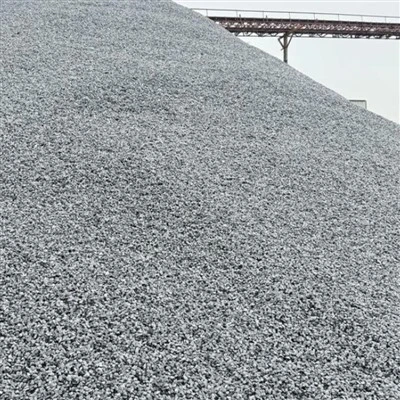
Sourced from high-purity natural calcite and limestone deposits, our Calcium Carbonate Powder (CaCO3) delivers consistent chemical purity, high brightness, and tightly controlled particle size distribution. Processed through modern vertical roller mills, Raymond mills, and high-efficiency air classifiers, we supply both ground calcium carbonate (GCC) and surface-treated grades tailored for plastics compounding, masterbatches, architectural coatings, rubber products, and construction sealants. Every production batch undergoes strict screening to maintain low moisture levels and eliminate coarse oversize particles, ensuring reliable dispersion in industrial manufacturing lines.





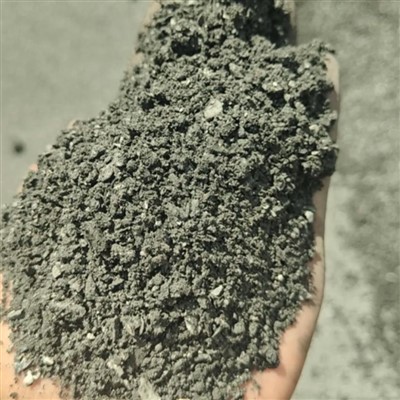
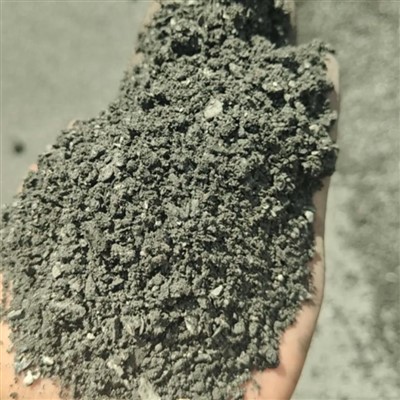
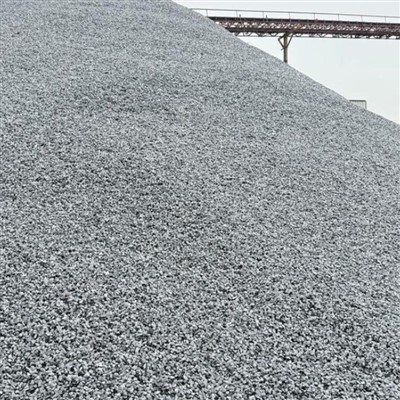
Product Grades & Technical Specifications
High-brightness micronized powders ranging from 800 to 2500 mesh (D50: 2.5-10 um). Used as an economical, high-performance functional extender in architectural paints, paper coatings, and rigid PVC applications.
Treated with stearic acid or titanate coupling agents (activation rate >= 95%) to improve interfacial compatibility with polymer matrices. Prevents agglomeration and enhances impact strength and melt flow in polyolefin masterbatches and engineering plastics.
Cost-effective powder grades (325 mesh to 600 mesh) with stable chemical assays (CaCO3 >= 98.5%), utilized in rubber goods, tile adhesives, and unsaturated polyester resins.
Chemically synthesized fine particles with narrow particle size distribution, specialized for high-end sealants, adhesives, and specialty paper manufacturing.
Technical Data Sheet
|
Parameter |
Ultra-Fine GCC Grade (Uncoated) |
Surface-Activated GCC Grade |
Standard Industrial Grade (GCC) |
Test Standard / Method |
|
Calcium Carbonate (CaCO3) |
>= 98.5% |
>= 98.0% (Core mineral) |
>= 98.0% |
Titrimetry / EDTA Method |
|
Calcium Oxide (CaO Equivalent) |
>= 55.0% |
>= 54.5% |
>= 54.0% |
XRF Analysis |
|
Activation Degree (Surface Treated) |
N/A |
>= 95.0% |
N/A |
Solvent Extraction Method |
|
Whiteness (R457) |
93% - 96% |
92% - 95% |
90% - 93% |
ISO 2470 Whiteness Meter |
|
Particle Size (D50) / Mesh |
800-2500 mesh (D50: 2.5-10 um) |
1250-2500 mesh (D50: 2-5 um) |
325-600 mesh |
Laser Diffraction (ISO 13320) |
|
Top-cut Particle Size (D97) |
<= 15 um |
<= 10 um |
<= 45 um |
Laser Diffraction (ISO 13320) |
|
Oil Absorption Value |
18 - 22 g/100g |
16 - 20 g/100g |
20 - 25 g/100g |
ISO 787-5 |
|
Moisture Content |
<= 0.2% |
<= 0.2% |
<= 0.3% |
Direct Heating (105 deg C) |
|
Heavy Metals (Pb, Cd, As) |
Meets RoHS / REACH Limits |
Meets RoHS / REACH Limits |
Meets Industrial Standard |
ICP-OES Spectrometry |
Industrial Applications
Plastics Compounding & Masterbatches
Calcium carbonate serves as a primary mineral modifier in polyolefins (PE, PP) and PVC formulations. It increases flexural modulus, improves dimensional stability, and reduces raw resin material costs. Surface-activated grades disperse evenly in twin-screw extruders without forming agglomerates, preventing film breakage during high-speed blown film extrusion.
Paints, Coatings & Emulsions
Used as a white extender pigment that contributes to dry opacity, scrub resistance, and gloss control in architectural interior and exterior wall paints. Its stable chemical inertia prevents chalking and yellowing under ultraviolet exposure.

Rubber Products & Industrial Hoses
Incorporated into rubber compounds (NR, SBR, EPDM) to enhance tensile strength, tear resistance, and hardness profiles while lowering compound viscosity during calendar processing and vulcanization.
Sealants, Adhesives & Putties
Acts as a functional rheology modifier and space-filling agent in silicone, polyurethane, and acrylic sealants, controlling slump behavior and providing structural reinforcement during curing.
Quality Control & Production Assurance
Raw Stone Selection:
Calcite and limestone are selectively quarried from verified geological deposits with stable brightness baselines and low iron-oxide levels.
01
Automated Air-Classification:
Multi-stage dynamic air classifiers continuously monitor the upper cut-off limit (D97), physically separating and rejecting oversized particles to protect downstream extrusion dies.
02
Real-time Laboratory Testing:
Each shift is sampled and analyzed using Malvern Mastersizer laser diffraction instruments, whiteness meters, and chemical titration benches.
03
Traceable COA Generation:
Every commercial delivery is dispatched alongside an official Certificate of Analysis confirming exact chemical assays and physical sieve values.
04
Customization Options: Particle Sizes & Packaging
Particle Size Customization
Utilizing precision milling and classification loops, we tailor particle sizing curves according to technical drawings:
Standard Industrial Grinds: 325 mesh, 400 mesh, 600 mesh
Fine Micronized Grinds: 800 mesh, 1250 mesh, 2000 mesh, 2500 mesh
Tailored Top-cut Control: Specific D50 and D97 limits requested by formulators
Export Packaging Specifications
25 kg / 50 kg Multi-layer PP/PE Bags: Woven polypropylene outer sacks lined with an integrated polyethylene inner moisture-barrier film.
1.0 MT / 1.25 MT Jumbo Bags (FIBC): Heavy-duty woven bulk containers equipped with filling spouts and discharge chutes, engineered for forklift and crane handling.
Palletization & Protection: All units are secured on ISPM-15 compliant fumigated wooden pallets, wrapped with heavy stretch film and covered with top protection sheets to prevent moisture exposure during maritime transit.
Bulk Supply & Export Logistics
Monthly Production Capacity: Up to 250,000 Metric Tons across ground and activated production lines.
Standard Lead Time: 3-5 working days for standard catalog grades; 7-10 days for customized surface-activated or ultrafine grinds.
Minimum Order Quantity (MOQ): 20 Metric Tons (1 x 20' FCL container load).
Export Documentation Support: Complete compliance paperwork provided with every shipment, including COA, Safety Data Sheet (SDS/MSDS), Commercial Invoice, Packing List, Bill of Lading, and Certificate of Origin (Form E/CO). Complimentary laboratory testing samples (up to 5 kg) are available upon formal inquiry.
Our Certificate


fAQ
Q: What is the functional difference between Uncoated GCC and Surface-Activated Calcium Carbonate?
A: Uncoated GCC functions as a standard space-filling mineral extender with hydrophilic properties. Surface-activated calcium carbonate is treated with coating agents (such as stearic acid) to render the powder hydrophobic, dramatically improving dispersion, reducing melt viscosity, and increasing impact strength in organic polymer systems like PVC and polyolefin masterbatches.
Q: How do you prevent coarse oversize particles (D97 spikes) in ultrafine 2500 mesh grades?
A: We utilize closed-circuit grinding systems coupled with high-efficiency centrifugal air classifiers. The classifier wheel speed is continuously regulated to create a sharp cutoff point, rejecting any particles exceeding the specified top-cut limit before final packaging.
Q: What measures are taken to prevent powder caking during international ocean freight?
A: All calcium carbonate powders undergo thermal moisture reduction processes during milling to maintain moisture levels below 0.2% - 0.3%. Packaging utilizes moisture-resistant PE inner liners sealed securely inside heavy-duty PP woven bags or FIBC jumbo bags, protected by full outer pallet shrink-wrapping.
Q: Can you adjust the oil absorption value for specific sealant or coating formulations?
A: Yes. Oil absorption is directly related to particle size distribution and specific surface area. By adjusting our milling and air-classification parameters, we can tailor the powder's specific surface area to match your target oil absorption requirements.
Q: Is your Calcium Carbonate compliant with EU REACH regulations for chemical export?
A: Yes. Naturally occurring calcium carbonate minerals that are not chemically modified (CAS No. 471-34-1 / EINECS No. 207-439-9) are exempt from mandatory REACH registration under Annex V, provided they undergo only mechanical processing. Official REACH exemption documentation and standard SDS are supplied upon request.
Q: What is your sample policy for industrial laboratory evaluation?
A: We provide free laboratory sample quantities (up to 5 kg) for customer formulation trials and pilot testing. Each sample is delivered alongside a matching batch COA. International courier freight costs are typically borne by the recipient or can be credited against a subsequent commercial order.