



Quick Lime Powder
Quick Lime Powder Manufacturer & Bulk Supplier for Steelmaking and Industrial Applications
Industrial-grade calcined calcium oxide powder with customizable reactivity and grain size for steelmaking, flue gas desulfurization (FGD), AAC concrete, and chemical processing.
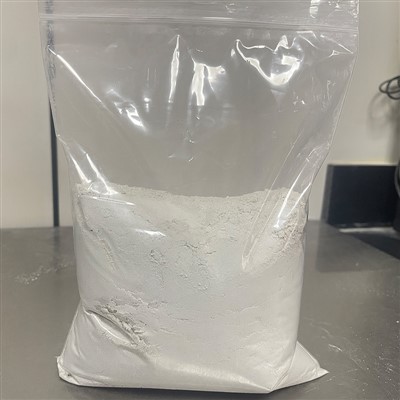
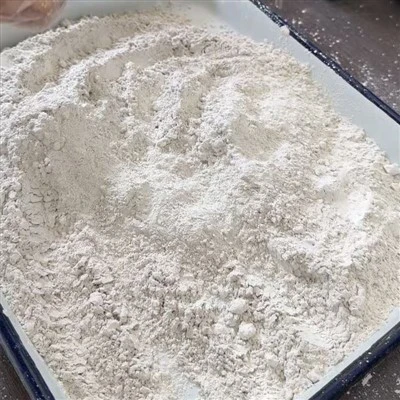
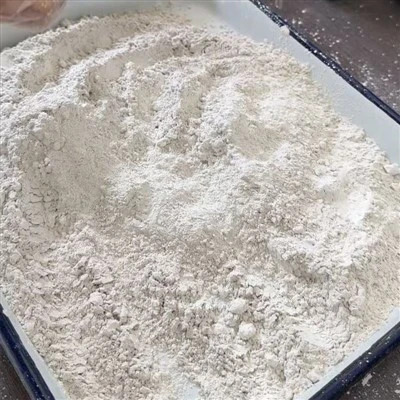
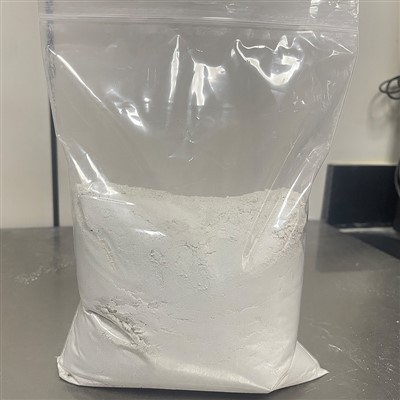
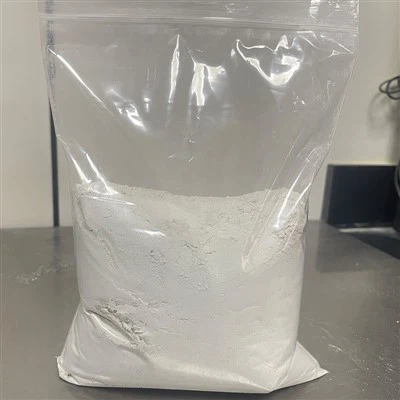
Quicklime powder (CaO) is produced through the controlled calcination of high-purity natural limestone in vertical shaft and rotary kilns, followed by air-classified fine grinding. It acts as an aggressive alkaline reagent, fluxing agent, and desulfurizer. Processing parameters are adjusted during calcination and air classification to control active CaO purity, slaking reactivity, and particle size distribution based on specific downstream industrial requirements.



Product Grades & Specifications
Chemical & High-Reactivity Grade:
Formulated for applications demanding rapid exothermic reactions, high slaking rates, and minimal residual solids (e.g., precipitated calcium carbonate synthesis, specialty chemicals).
Industrial & Flue Gas Grade:
Optimized for neutralizations, flue gas acid neutralization (SO2 / HCl), and industrial wastewater/sludge conditioning where sustained reactivity and low moisture are required.
Metallurgical & AAC Grade:
Tailored with controlled slaking kinetics (t60: 4-10 min) to manage thermal expansion rates in Autoclaved Aerated Concrete (AAC) manufacturing and efficient slag formation in EAF/BOF steel mills.
Technical Data Sheet
|
Parameter |
High-Reactivity Chemical Grade |
Standard Industrial Grade |
Metallurgical / AAC Grade |
Testing Method |
|
Available CaO |
>= 90.0% |
>= 85.0% |
>= 82.0% |
ASTM C25 / EN 459-2 |
|
Active Reactivity (4N HCl, 10 min) |
>= 380 mL |
300 - 360 mL |
260 - 320 mL |
EN 459-2 (Titration) |
|
Slaking Time (t60) |
< 3 min |
3 - 6 min |
4 - 10 min |
EN 459-2 (Slaking Rate) |
|
Max Temperature (Tmax) |
>= 70°C |
60 - 70°C |
55 - 65°C |
EN 459-2 (Slaking Curve) |
|
Magnesium Oxide (MgO) |
<= 2.0% |
<= 3.5% |
<= 5.0% |
XRF Analysis |
|
Silicon Dioxide (SiO2) |
<= 1.0% |
<= 2.5% |
<= 3.5% |
XRF Analysis |
|
Acid Insoluble Matter |
<= 1.0% |
<= 2.0% |
<= 3.0% |
Gravimetric |
|
Loss on Ignition (LOI, 950°C) |
<= 2.0% |
<= 3.5% |
<= 4.5% |
ASTM C25 |
|
Moisture Content |
<= 0.5% |
<= 0.8% |
<= 1.0% |
Moisture Analyzer |
|
Standard Fineness |
95% pass 200 mesh (75 µm) |
90% pass 200 mesh (75 µm) |
85% pass 200 mesh (75 µm) |
Wet/Dry Sieve |
Industrial Applications
Steelmaking & Metallurgy: Serves as a primary fluxing agent in Basic Oxygen Furnaces (BOF) and Electric Arc Furnaces (EAF). It reacts with silica and phosphorus impurities to form molten slag, protecting refractory linings and refining steel purity.
Flue Gas Desulfurization (FGD): Injected directly into dry or semi-dry scrubber systems at power plants and waste incinerators to capture and neutralize acid gases (SO2, SO3, HCl).
Autoclaved Aerated Concrete (AAC) Manufacturing: Provides the essential heat of hydration and reactive calcium ions necessary to dissolve silica fine solids and trigger aluminum powder expansion during pre-curing.
Water & Sludge Treatment: Adjusts pH levels, precipitates dissolved heavy metals (Fe, Mn, Cu), neutralizes acidic industrial effluents, and stabilizes municipal sludge through exothermic moisture binding.
Chemical Synthesis: Used as a raw material for producing calcium carbide, bleach powder, calcium hypochlorite, and organocalcium salts.
Quality Control & Testing
Raw Limestone Screening:
High-calcium limestone reserves are sampled at the quarry face to maintain total CaCO3 content above 96%.
Calcination Monitoring:
Rotary and shaft kilns operate with continuous automated temperature logging (1000°C - 1250°C) to eliminate under-burned core residues (CaCO3) and over-burned inert fractions.
Slaking Rate & Reactivity Titration:
Reactivity is measured using standard temperature-rise curves (T60 slaking test) and titration with 4N HCl to ensure repeatable reaction kinetics in automated processing plants.
Particle Size Control:
Laser diffraction particle analyzers and air-jet sieves verify particle size distribution curve consistency for 200 mesh, 325 mesh, and custom ultra-fine specs.
Custom Particle Size & Packaging
Available Granulometry
200 Mesh (75 µm): Standard industrial grade for slurry preparation and FGD systems.
325 Mesh (45 µm): Fine powder grade for rapid reaction applications and chemical blending.
Custom Sizing: Coarser powders or targeted particle distributions available upon technical review.
Moisture-Proof Packaging Solutions
Quicklime powder reacts strongly with ambient moisture. All export packaging features multi-layer humidity barriers to maintain product stability during long-distance transit:
1,000 kg / 1,200 kg FIBC Jumbo Bags: Heavy-duty woven polypropylene outer bag paired with an internal, heat-sealed polyethylene (PE) liner (80 - 120 µm thickness). Optional UN-certified bags available for Class 8 hazardous goods compliance.
25 kg Valve Paper Bags: Multi-ply craft paper bags with an embedded PE film layer, palletized and shrink-wrapped with stretch hooding.
Bulk Powder Tanker Containers: Direct pneumatic loading into specialized ISO tank trailers or bulk containers for rail and maritime shipping.

Bulk Supply & Export Logistics
Monthly Capacity:
30,000 Metric Tons of calcined lime products.
01
Storage & Handling:
Covered silos equipped with dry air purging systems to prevent pre-hydration prior to bagging.
02
Export Containers:
Loaded in 20-foot dry containers (20–24 MT per FCL). Customized loading plans are adjusted based on destination port axle weight restrictions (e.g., US, EU, Middle East limits).
03
Documentation & Safety:
Full export documentation per batch, including Certificate of Analysis (CoA), Safety Data Sheet (SDS/MSDS fully compliant with GHS standards), Commercial Invoice, Packing List, and Bill of Lading.
04
Our Certificate


fAQ
Q: What is the difference between Quicklime Powder (CaO) and Hydrated Lime Powder (Ca(OH)2)?
A: Quicklime powder is calcium oxide produced by calcining limestone (CaCO3 -> CaO + CO2). It is highly reactive and generates substantial heat when mixed with water. Hydrated lime (slaked lime) is quicklime that has already reacted with a controlled amount of water (CaO + H2O -> Ca(OH)2). Quicklime has higher active alkalinity per unit weight and is preferred when exothermic reaction heat is beneficial to the process.
Q: How do you measure the reactivity of quicklime powder?
A: Reactivity is measured by tracking the heat released during slaking (water temperature increase over time, e.g., t60/Tmax) or by acid titration using 4N HCl solution according to EN 459-2 standards. Higher volume consumption of HCl within a fixed timeframe (e.g., 10 minutes) indicates higher reactivity.
Q: How do you prevent quicklime powder from degrading during ocean transit?
A: Export shipments utilize FIBC jumbo bags or 25 kg bags fitted with thick, heat-sealed inner polyethylene (PE) liners. Pallets are fully wrapped with moisture-barrier stretch film. This prevents exposure to ambient moisture and atmospheric carbon dioxide (CO2), keeping Loss on Ignition (LOI) increases under 0.5% during typical transit periods.
Q: Can you customize the reactivity level for AAC block production?
A: Yes. AAC production requires balanced slaking kinetics to match slurry viscosity and aluminum powder gassing rates. We adjust kiln temperature profiles and limestone residence time to supply quicklime powder with specific slaking times (e.g., t60 values between 4 to 10 minutes).
Q: What safety precautions are required when unloading quicklime powder?
A: Quicklime powder is corrosive to skin, eyes, and respiratory tracts, and reacts exothermically with water (UN 1910 Class 8). Personnel must wear dust-proof safety goggles, full-face respirators, heat-resistant gloves, and protective clothing. Unloading areas should be equipped with dry dust extraction units and emergency eye-wash stations.
Q: What is the shelf life of your quicklime powder when stored properly?
A: When stored in sealed, undamaged moisture-proof packaging inside a dry, covered warehouse off concrete floors, quicklime powder maintains its specified active CaO levels for up to 6 months. Once opened, bags should be consumed promptly or resealed airtight to avoid atmospheric slaking.