



Synthetic Alkali Powder
Synthetic Alkali Powder Manufacturer & Bulk Supplier for Industrial Applications
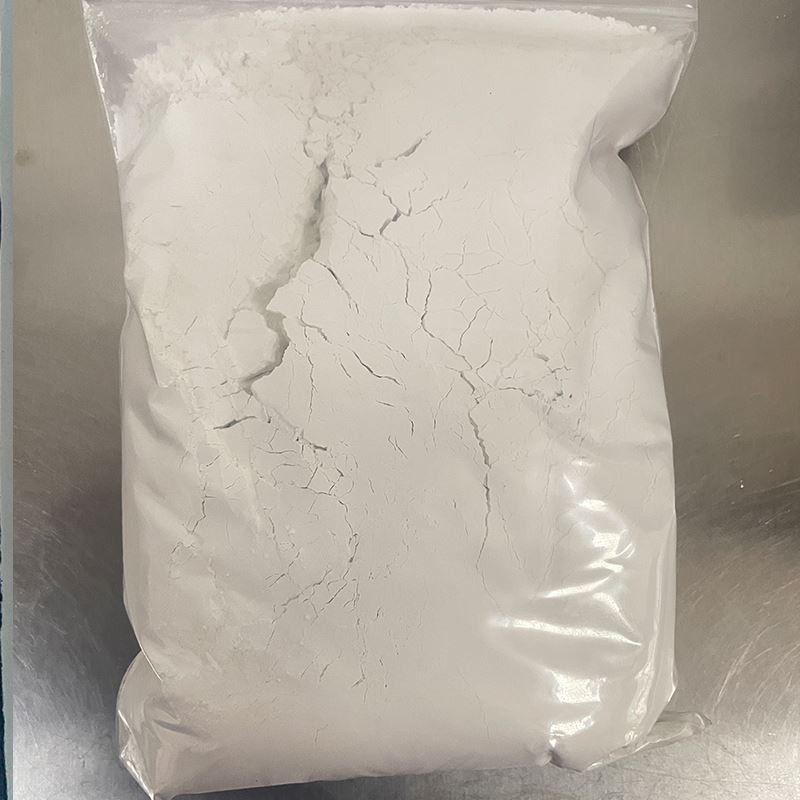
Synthetic Alkali Powder is supplied for industrial processes requiring consistent alkalinity and controlled chemical performance. Available specifications can be tailored to application requirements, including chemical composition, purity, particle size, and packaging options. Suitable for qualified industrial applications, it supports manufacturers seeking reliable bulk supply and consistent product specifications.
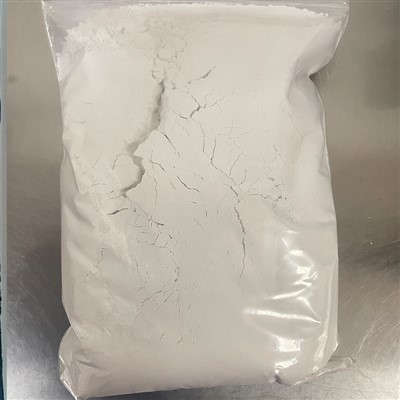
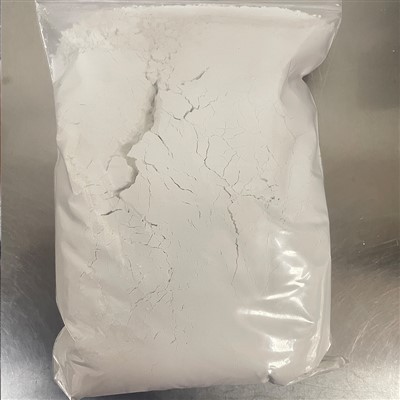


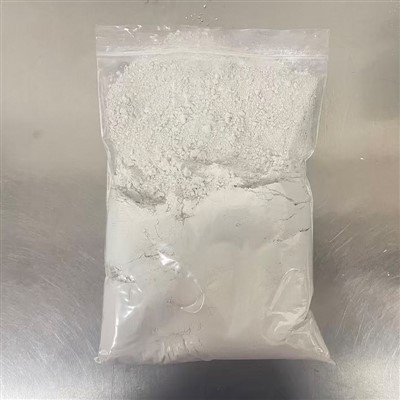
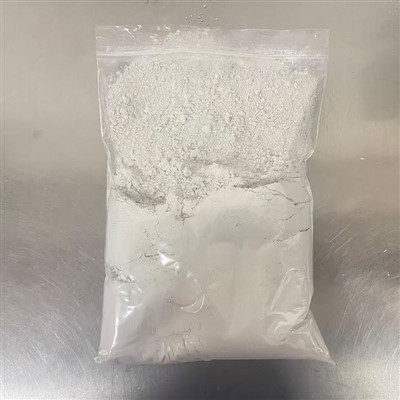
Product Grades & Selection Guide
Technical Dense Grade
Physical State: Granular / high-density powder
Bulk Density Range: 0.90 to 1.15 g/cm3
Primary Applications: Glass manufacturing, metallurgical fluxing, and automated silo storage systems.
Functional Advantage: Higher particle mass minimizes dust generation during pneumatic conveying and reduces segregation in dry batching mixtures.
Light Industrial Grade
Physical State: Fine free-flowing powder
Bulk Density Range: 0.50 to 0.65 g/cm3
Primary Applications: Chemical synthesis feedstock, industrial detergent blending, and aqueous pH neutralization.
Functional Advantage: High specific surface area promotes rapid dissolution rates in liquid reaction vessels and neutralization tanks.
Technical Specifications
|
Parameter |
Dense Grade Standard |
Light Grade Standard |
Test Method |
|
Total Alkalinity (as Na2CO3) |
>= 99.2% |
>= 99.0% |
Acid-Base Titration (ISO 5993 / GB/T 1608) |
|
Sodium Chloride (NaCl) |
<= 0.40% |
<= 0.50% |
Silver Nitrate Titration |
|
Iron Content (Fe) |
<= 0.0035% (35 ppm) |
<= 0.0040% (40 ppm) |
Spectrophotometry / ICP-OES |
|
Water Insolubles |
<= 0.03% |
<= 0.04% |
Gravimetric Method |
|
Moisture Content (105 Deg C) |
<= 0.20% |
<= 0.30% |
Loss on Drying |
|
Sulfate (SO4 2-) |
<= 0.03% |
<= 0.04% |
Barium Sulfate Turbidimetry |
|
Particle Size Distribution |
90% between 150 to 850 um |
95% < 150 um (100 mesh) |
Dry Sieve Analysis (ASTM E11) |
|
Visual Appearance |
Bright white crystalline granules |
Fine white powder |
Visual Inspection |
Industrial Applications
Glass Production (Container, Flat, & Technical):
Acts as a fluxing agent to lower silica melting temperatures (1400 to 1600 Deg C furnace zones), reducing thermal energy consumption while delivering consistent alkali input.
Wastewater & Effluent pH Neutralization:
Provides controlled alkalinity for neutralizing acidic industrial wastewater streams without depositing insoluble calcium scales.
Chemical Manufacturing Feedstock:
Serves as a primary sodium source in the synthesis of sodium silicates, sodium tripolyphosphate (STPP), sodium chromate, and specialty organic salts.
Industrial & Commercial Detergents:
Supplies saponification alkalinity and acts as a builder to sequester hard water cations (Ca2+, Mg2+) in commercial laundry formulations.
Pulp & Paper Processing:
Utilized in neutral sulfite semi-chemical (NSSC) pulping liquors and boiler feed water treatment.
Quality Assurance & Quality Control
In-Line Process Control:
Continuous automated sampling during reaction, crystallization, and calcination stages verifies bulk density and residual moisture limits in real time.
01
Analytical Batch Testing:
Every 50 MT production run is sampled and tested in our ISO 17025 accredited laboratory for total alkali percentage, trace iron levels, and grain distribution.
02
Full Traceability:
Each outer bag and FIBC super sack carries an inkjet-printed batch code linking directly to raw material batch logs, kiln operating temperatures, and analytical CofA records.
03
Global Regulatory Compliance:
Fully REACH registered for European Union imports. Safety Data Sheets (SDS) are maintained in accordance with OSHA HCS 2012 and EU Regulation (EC) No 1907/2006 (CLP/GHS).
04

We provide custom particle milling, screening, and moisture-proof packaging configurations to align with customer unloading and storage equipment:
25 kg / 50 lb Valve Bags , Multi-wall paper or woven PP with PE inner liner
1,000 kg / 1,250 kg FIBC Bags, Top-spout fill, bottom-discharge spout with liner
Custom Particle Screenings, Tailored cuts from 18 mesh (1,000 um) to 200 mesh
Anti-Caking Formulation, Optional food/feed grade silica additive (0.1-0.3%)|
Palletization , Fumigated ISPM-15 wooden pallets or plastic pallets
Bulk Export Logistics & Container Loading
We operate dedicated rail sidings and port storage facilities to maintain predictable ocean freight schedules:
Production Output: 15,000 Metric Tons monthly synthesis capacity across 3 rotary calcination lines.
FCL Container Loading (20ft FCL):
Palletized: 20 to 24 MT (25 kg bags or 1,000 kg super sacks, shrink-wrapped with stretch hooding).
Unpalletized / Hand Stacked: Up to 25 MT per 20ft FCL.
Sea-Bulk Container Liner: Up to 27 MT for direct pneumatic loading/unloading.
Moisture Protection in Transit: 2 kg calcium chloride desiccant bags are installed inside every container to prevent moisture condensation ("container rain") across multi-week ocean transport routes.
Trade Terms: FOB Qingdao / Tianjin / Shanghai; CIF / CFR to European, North American, and Southeast Asian discharge ports. DDP supported for select destinations.
Our Certificate


fAQ
Q: What distinguishes synthetic alkali powder from natural mined soda ash?
A: Synthetic alkali powder is synthesized through chemical reaction loops (Na+ and CO3 2-), offering lower trace iron levels (Fe <= 35 ppm) and fewer insoluble impurities compared to natural mined trona deposits. This purity profile makes synthetic grades preferable for clear container glass, optical glass, and high-purity chemical reactions.
Q: How is product caking avoided during long ocean voyages in humid conditions?
A: Bags are sealed with high-barrier polyethylene inner liners (60 to 80 um thickness). For ocean freight crossing tropical corridors, container interior humidity is controlled using high-capacity desiccant packs, and pallets are encased in full-skirt moisture-barrier stretch hoods.
Q: Can you adjust particle size distribution for specialized dry-mix formulations?
A: Yes. Using mechanical screening systems and air-classifying mills, we can supply custom grain spreads within the range of 80 um (200 mesh) to 1,000 um (18 mesh). Sieve analysis curves can be confirmed prior to contract execution.
Q: What regulatory and quality documentation is delivered with commercial lots?
A: Each shipment includes a Lot-Specific Certificate of Analysis (CofA), Packing List, Commercial Invoice, Clean-on-Board Bill of Lading, and a REACH/GHS-compliant Safety Data Sheet (SDS) in English. Certificate of Origin (Form E, CO, etc.) is provided based on destination port requirements.
Q: What is the minimum order quantity (MOQ) for standard vs. custom specifications?
A: Standard Grades & Packaging: 1 x 20ft FCL (~ 20 to 25 MT).
Custom Screening / Private Label Packaging: Minimum campaign run of 50 MT.
Sample Testing: 1 to 5 kg laboratory evaluation samples are available upon request.
Q: What testing standard is used to calculate total alkalinity?
A: Total alkalinity is determined by acid-base titration using standardized 0.5N HCl solution against a methyl orange endpoint indicator, reported as Na2CO3 percentage in accordance with ISO 5993 / GB/T 1608 protocols.