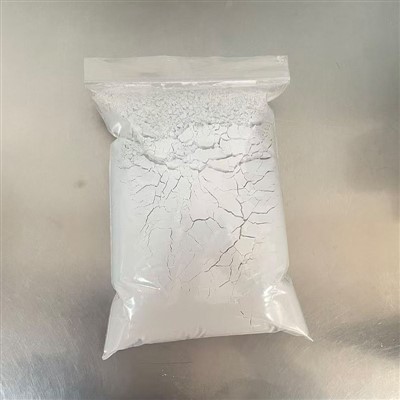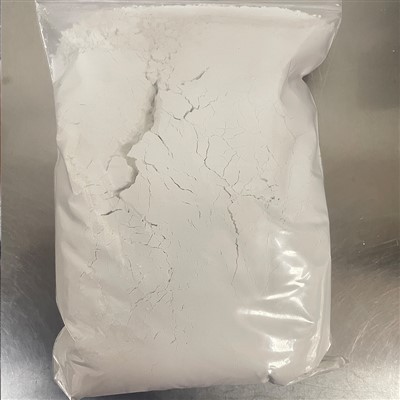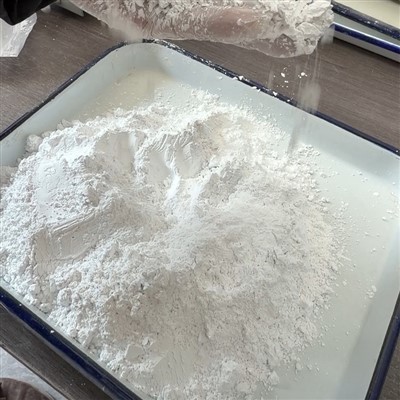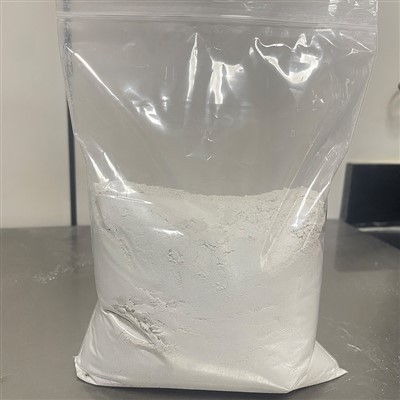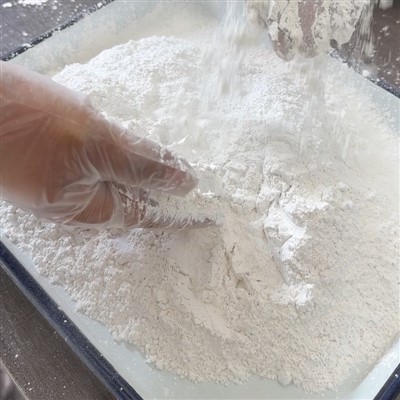
As a supplier of Mixed Alkali Powder, I've witnessed firsthand the complexities and challenges that come with its production. Mixed Alkali Powder is a crucial industrial material with a wide range of applications, from manufacturing detergents to serving as a key component in various chemical processes. However, the journey from raw materials to the final product is fraught with numerous challenges that require careful consideration and expertise to overcome.
Raw Material Sourcing
One of the primary challenges in producing Mixed Alkali Powder is sourcing high - quality raw materials. The composition of Mixed Alkali Powder typically includes various alkali compounds such as sodium carbonate, potassium carbonate, and sometimes other alkaline salts. These raw materials need to meet strict purity standards to ensure the quality of the final product.
The availability of these raw materials can be inconsistent. Natural sources of alkali compounds, such as trona ore for sodium carbonate, are geographically limited. This means that suppliers often have to rely on imports, which can be affected by factors like political instability, trade policies, and transportation disruptions. For example, a change in import tariffs in a country where a key raw material is sourced can significantly increase the cost of production.
Moreover, the quality of raw materials can vary widely. Impurities in the raw materials can have a detrimental effect on the properties of the Mixed Alkali Powder. For instance, trace amounts of heavy metals or other contaminants can affect the chemical reactivity of the powder, making it unsuitable for certain applications. To address this, suppliers need to implement rigorous quality control measures during the raw material sourcing process. This may involve working closely with reliable suppliers, conducting regular laboratory tests, and setting strict acceptance criteria for incoming raw materials.
Formulation and Blending
Once the raw materials are sourced, the next challenge is formulating the right blend of alkali compounds. The formulation of Mixed Alkali Powder is highly application - specific. Different industries require powders with different chemical compositions and properties. For example, the detergent industry may need a powder with a specific pH level and solubility to ensure effective cleaning, while the glass - making industry may require a powder with a high melting point and specific chemical reactivity.
Achieving the correct formulation is a delicate process that requires in - depth knowledge of chemistry and materials science. It often involves a series of trial - and - error experiments to optimize the ratio of different alkali compounds. Even a small deviation in the formulation can lead to significant changes in the properties of the final product.
Blending the raw materials evenly is also a critical step. Uneven blending can result in inconsistent product quality, with some areas of the powder having a higher concentration of certain alkali compounds than others. This can lead to variations in performance when the powder is used in industrial processes. To ensure uniform blending, specialized equipment such as high - speed mixers and blenders are used. However, these machines need to be carefully calibrated and maintained to achieve the desired level of homogeneity.
Production Process Control
The production process of Mixed Alkali Powder involves several steps, including grinding, drying, and calcination. Each step requires precise control to ensure the quality and consistency of the final product.
Grinding is an important step to reduce the particle size of the raw materials. The particle size of the powder can affect its reactivity, solubility, and flowability. If the particles are too large, the powder may not dissolve properly in certain applications, while if they are too small, it can lead to dusting problems during handling. Controlling the grinding process to achieve the desired particle size distribution is challenging, as it depends on factors such as the type of grinding equipment, the grinding time, and the feed rate.
Drying is another crucial step to remove moisture from the powder. Moisture can cause the powder to clump together, which can affect its handling and performance. The drying process needs to be carefully controlled to avoid over - drying, which can lead to changes in the chemical properties of the powder, or under - drying, which can result in the presence of residual moisture.
Calcination is often used to transform the raw materials into the desired alkali compounds. This process involves heating the powder to high temperatures, which can cause chemical reactions to occur. The temperature, heating rate, and duration of the calcination process need to be precisely controlled to ensure that the desired chemical transformations take place without causing any unwanted side reactions.
Quality Assurance
Quality assurance is a continuous challenge in the production of Mixed Alkali Powder. The powder needs to meet strict quality standards set by various industries and regulatory bodies. These standards cover aspects such as chemical composition, particle size, moisture content, and purity.
Regular laboratory testing is essential to ensure that the product meets these standards. This involves analyzing samples of the powder using techniques such as spectroscopy, chromatography, and particle size analysis. However, laboratory testing can be time - consuming and expensive. Moreover, it only provides a snapshot of the product quality at a particular point in time.
To address this, suppliers need to implement a comprehensive quality management system that includes in - process quality control. This means monitoring the production process at various stages to detect and correct any quality issues early on. For example, sensors can be used to monitor the temperature, humidity, and other process parameters in real - time, allowing for immediate adjustments if any deviations are detected.
Environmental and Regulatory Compliance
Producing Mixed Alkali Powder also comes with environmental and regulatory challenges. The production process can generate waste and emissions that need to be managed properly to minimize the impact on the environment.
For example, the calcination process can produce carbon dioxide emissions, which contribute to climate change. To reduce these emissions, suppliers may need to invest in energy - efficient technologies and alternative fuels. Additionally, the waste generated during the production process, such as spent catalysts and residual materials, need to be disposed of in an environmentally friendly manner.
Regulatory requirements also play a significant role in the production of Mixed Alkali Powder. Different countries and regions have different regulations regarding the production, handling, and use of alkali compounds. These regulations cover aspects such as safety, labeling, and environmental protection. Suppliers need to stay up - to - date with these regulations and ensure that their production processes and products are in compliance. Failure to comply with these regulations can result in fines, legal issues, and damage to the company's reputation.
Market Competition
In the market for Mixed Alkali Powder, competition is fierce. There are many suppliers offering similar products, and customers are often looking for the best quality at the lowest price. This puts pressure on suppliers to improve their production efficiency and reduce costs without compromising on quality.
To stay competitive, suppliers need to invest in research and development to develop new and improved products. For example, developing a Mixed Alkali Powder with better performance characteristics or a more environmentally friendly production process can give a supplier an edge in the market. Additionally, building strong relationships with customers and providing excellent customer service can help to retain existing customers and attract new ones.
Conclusion
Producing Mixed Alkali Powder is a complex process that involves numerous challenges. From raw material sourcing to market competition, each step of the production process requires careful attention and expertise. As a supplier, it is essential to address these challenges proactively to ensure the quality and consistency of the product, meet regulatory requirements, and stay competitive in the market.
If you are interested in purchasing Mixed Alkali Powder, or if you have any questions about our products, we invite you to [initiate a contact for procurement and negotiation]. Our team of experts is ready to assist you and provide you with the best solutions for your specific needs.
References
- "Industrial Chemistry: Principles and Applications", John Wiley & Sons
- "Handbook of Alkali Compounds", CRC Press
- Industry reports on the production and market trends of Mixed Alkali Powder