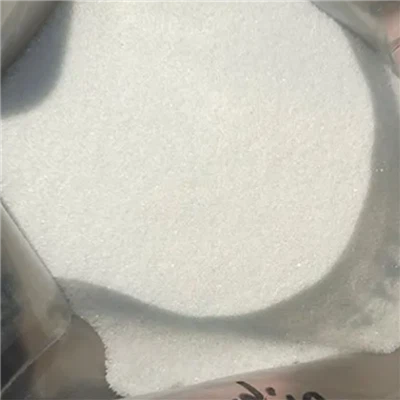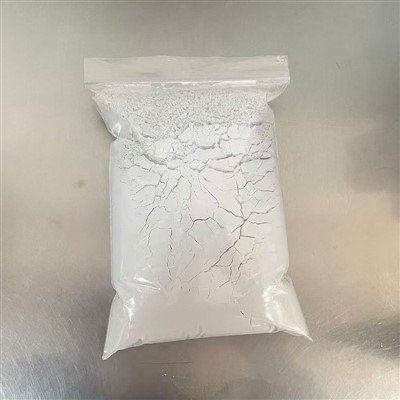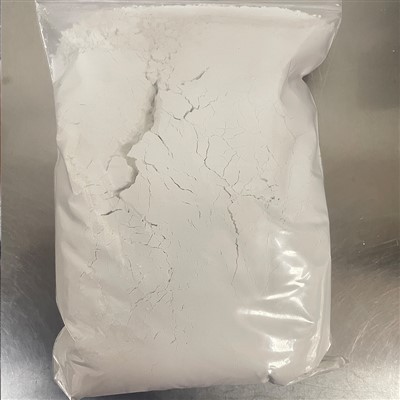
Dolomite powder, a versatile mineral product, plays a significant role in various industries due to its unique chemical composition and physical properties. As a dolomite powder supplier, I have witnessed firsthand the diverse ways in which dolomite powder interacts with other minerals. This interaction not only affects the performance of dolomite powder itself but also has a profound impact on the final products in different applications.
Chemical Composition of Dolomite Powder
Dolomite is a double carbonate mineral with the chemical formula CaMg(CO₃)₂. It consists of calcium carbonate (CaCO₃) and magnesium carbonate (MgCO₃) in a relatively fixed ratio. The presence of both calcium and magnesium gives dolomite powder its distinctive properties and makes it highly reactive with other minerals.
Interaction with Acidic Minerals
One of the most common interactions of dolomite powder is with acidic minerals. Dolomite is a basic mineral, and when it comes into contact with acidic substances, a neutralization reaction occurs. For example, in the steelmaking industry, dolomite powder is often used as a flux. Sulfur and phosphorus are common impurities in iron ore, and they form acidic compounds during the smelting process. Dolomite powder reacts with these acidic compounds to form slag, which can be easily removed from the molten metal. This not only helps to purify the steel but also improves its quality.
Interaction with Silicate Minerals
Silicate minerals are widely distributed in nature and are important components of many rocks and soils. Dolomite powder can interact with silicate minerals in several ways. In the ceramic industry, dolomite powder is used as a raw material. It can react with silicate minerals during the firing process to form new compounds, which improve the mechanical strength and thermal stability of the ceramic products. For instance, when dolomite powder is mixed with kaolin (a type of silicate mineral), the calcium and magnesium ions in dolomite can react with the silicate structure of kaolin, resulting in a more stable and durable ceramic body.
Interaction with Metal Oxides
Dolomite powder can also interact with metal oxides. In the production of refractory materials, dolomite powder is often combined with metal oxides such as alumina (Al₂O₃) and magnesia (MgO). The calcium and magnesium in dolomite can react with the metal oxides to form complex compounds with high melting points. These compounds enhance the refractory properties of the materials, making them suitable for use in high - temperature environments such as furnaces and kilns.


Types of Dolomite Powder and Their Interactions
- Calcined Dolomite Powder: Calcined dolomite powder is obtained by heating dolomite at high temperatures. This process decomposes the carbonate components into calcium oxide (CaO) and magnesium oxide (MgO). Calcined dolomite powder is more reactive than natural dolomite powder. It can react more rapidly with acidic minerals and metal oxides. In the construction industry, calcined dolomite powder is used as a binder in cement and concrete. It can react with the silica in the aggregates to form calcium silicate hydrates, which contribute to the strength and durability of the concrete.
- Dolomite Marble Powder: Dolomite marble powder is a fine - grained form of dolomite. It has a high degree of whiteness and purity. In the paint and coating industry, dolomite marble powder is used as a filler. It can interact with the resin and other pigments in the paint formulation. The smooth surface of the dolomite marble powder particles can improve the flowability and leveling of the paint, while its chemical stability can enhance the weather resistance of the coating.
- Natural Dolomite Powder: Natural dolomite powder retains the original chemical composition of dolomite. It is often used in the agriculture industry. When applied to acidic soils, natural dolomite powder can neutralize the soil acidity. It also provides calcium and magnesium nutrients to the plants. The interaction between natural dolomite powder and the soil minerals can improve the soil structure and fertility.
Factors Affecting the Interaction
- Particle Size: The particle size of dolomite powder has a significant impact on its interaction with other minerals. Smaller particle sizes have a larger surface area, which increases the contact area between dolomite powder and other minerals. This leads to more rapid and efficient reactions. For example, in the chemical industry, fine - grained dolomite powder is often preferred for reactions that require high reactivity.
- Temperature: Temperature is another important factor. Higher temperatures generally accelerate the chemical reactions between dolomite powder and other minerals. In high - temperature processes such as smelting and firing, the interaction between dolomite powder and other minerals is more intense. However, excessive temperatures may also cause some unwanted side reactions or changes in the crystal structure of the minerals.
- Chemical Environment: The chemical environment, including the pH value and the presence of other chemical substances, can affect the interaction of dolomite powder with other minerals. In an acidic environment, dolomite powder will react more vigorously with acidic minerals. The presence of certain catalysts or additives can also modify the reaction process and the properties of the final products.
Applications and Benefits of the Interaction
The interaction between dolomite powder and other minerals has a wide range of applications and benefits. In the environmental protection field, dolomite powder can be used to treat industrial wastewater containing heavy metals. It can react with the heavy metal ions to form insoluble precipitates, which can be removed from the water. This helps to reduce the pollution of the environment.
In the glass industry, dolomite powder is used as a flux. It can lower the melting point of the glass batch and improve the clarity and quality of the glass. The interaction between dolomite powder and the silica and other components in the glass batch results in a more homogeneous and stable glass structure.
Conclusion
As a dolomite powder supplier, I am well - aware of the importance of the interaction between dolomite powder and other minerals. The unique chemical composition of dolomite powder allows it to react with a variety of minerals in different ways, which brings numerous benefits to various industries. Whether it is in the steelmaking, ceramic, construction, or environmental protection industries, dolomite powder plays a crucial role.
If you are interested in purchasing dolomite powder for your specific applications, I encourage you to contact us for a detailed discussion. We can provide you with high - quality dolomite powder products and professional technical support to meet your needs.
References
- Deer, W. A., Howie, R. A., & Zussman, J. (1992). Rock - forming minerals. Longman Scientific & Technical.
- King, R. P. (2001). Mineral processing design and operations: an introduction. Butterworth - Heinemann.
- Van der Meer, L. G. (2002). Mineral processing technology: an introduction. Springer.