Hey there! As a supplier of natural limestone powder, I've been getting a lot of questions lately about whether it can be used in the rubber industry. Well, let's dive right in and explore this topic.


What is Natural Limestone Powder?
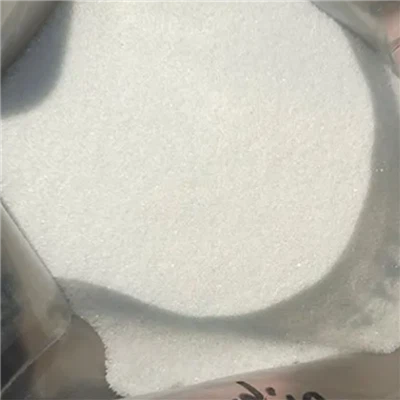
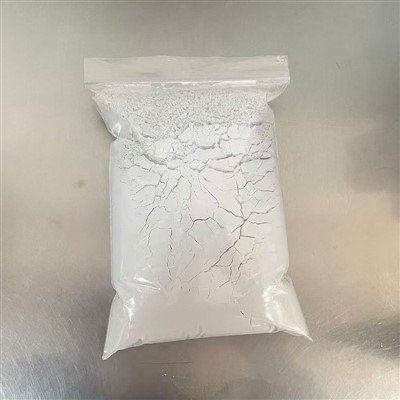
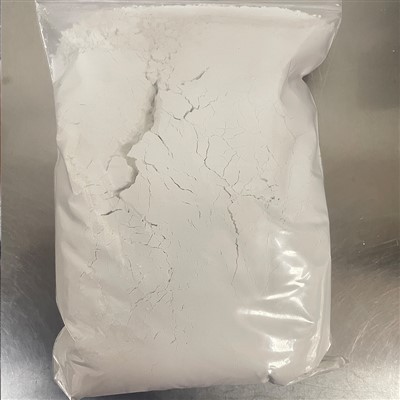
First off, natural limestone powder is made from limestone, a sedimentary rock composed mainly of calcium carbonate. It's mined from quarries and then processed into a fine powder. This powder has a wide range of applications, and one of the areas we're interested in today is the rubber industry.
Properties of Natural Limestone Powder
Natural limestone powder has some pretty cool properties that make it a potential candidate for use in rubber. It has good whiteness, which can be beneficial for rubber products where color is important. It also has a relatively high hardness, which can contribute to the wear - resistance of rubber.
The particle size of the limestone powder can be controlled during the processing. Finer particles can have a better dispersion in the rubber matrix, which is crucial for achieving consistent properties in the final rubber product.
Advantages of Using Natural Limestone Powder in the Rubber Industry
Cost - effectiveness
One of the biggest advantages is cost. Limestone is a widely available and relatively inexpensive raw material. By using natural limestone powder in rubber production, manufacturers can reduce the cost of their products without sacrificing too much in terms of quality. For example, in some rubber products like automotive tires, a significant amount of filler is used. Limestone powder can be a cost - effective alternative to other fillers like carbon black in certain applications.
Reinforcement
Limestone powder can act as a reinforcing filler in rubber. When properly dispersed in the rubber matrix, it can improve the mechanical properties of the rubber, such as tensile strength, tear resistance, and modulus. This is because the powder particles interact with the rubber molecules, providing additional support and resistance to deformation.
Processing Aid
It can also serve as a processing aid. In the rubber compounding process, it can improve the flow properties of the rubber mixture, making it easier to process. This can lead to more efficient production processes and better - quality products. For instance, in the extrusion of rubber profiles, the addition of limestone powder can reduce the viscosity of the rubber compound, allowing for smoother extrusion.
Applications in the Rubber Industry
Tires
In the tire industry, natural limestone powder can be used as a partial replacement for carbon black. It can be added to the tread compound to improve the wear resistance and reduce the rolling resistance of the tire. Rolling resistance is an important factor in fuel efficiency for vehicles, so using limestone powder in tires can have a positive impact on the environment as well.
Rubber Hoses
For rubber hoses, limestone powder can enhance the stiffness and pressure - resistance of the hose. It can also improve the surface finish of the hose, making it more aesthetically pleasing. In applications where hoses are used to transport fluids under high pressure, the reinforcement provided by limestone powder can be crucial.
Seals and Gaskets
In seals and gaskets, the use of natural limestone powder can improve the sealing performance. It can increase the hardness and compressibility of the rubber, ensuring a better seal between different components. This is important in applications where preventing leakage is essential, such as in automotive engines and industrial machinery.
Some Considerations
While natural limestone powder has many advantages, there are also some considerations when using it in the rubber industry.
Compatibility
The compatibility between the limestone powder and the rubber matrix is crucial. Different types of rubber, such as natural rubber, synthetic rubber (e.g., SBR, NBR), have different chemical properties. The limestone powder needs to be properly treated or selected to ensure good compatibility. Otherwise, it may lead to poor dispersion and reduced mechanical properties of the rubber product.
Moisture Content
Limestone powder can absorb moisture from the environment. High moisture content in the powder can cause problems during the rubber compounding process, such as foaming or reduced bonding between the powder and the rubber. So, it's important to control the moisture content of the limestone powder before using it in rubber production.
Our Products
As a supplier of natural limestone powder, we offer a variety of products that are suitable for the rubber industry. We have Limestone Powder For Paint, which can also be used in rubber applications due to its fine particle size and good whiteness. Our Micronized Limestone is specifically designed with a very small particle size, which can provide excellent dispersion in the rubber matrix. And our Limestone Chuna Powder has unique properties that can be beneficial for certain rubber products.
Conclusion
In conclusion, natural limestone powder can definitely be used in the rubber industry. It offers a range of benefits, including cost - effectiveness, reinforcement, and processing improvement. However, it's important to consider factors like compatibility and moisture content. If you're in the rubber industry and looking for a reliable and cost - effective filler, our natural limestone powder could be a great option for you.
If you're interested in learning more about our natural limestone powder products or discussing potential applications in your rubber production, don't hesitate to reach out. We're here to help you find the best solution for your needs.
References
- "Rubber Technology: Compounding and Testing for Performance" by Maurice Morton
- "Handbook of Fillers for Plastics" which also has some relevant information on fillers used in rubber
- Industry reports on the use of inorganic fillers in the rubber industry