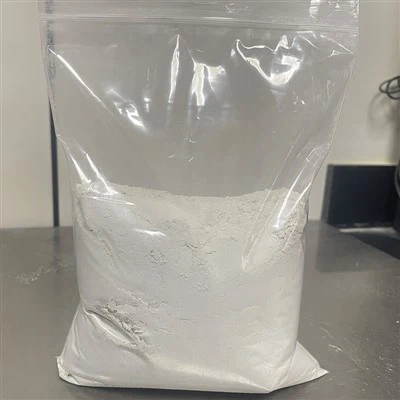
Hey there! I'm a supplier of Mixed Alkali Powder, and today I want to chat about the standards for Mixed Alkali Powder in different countries. It's an interesting topic, especially for those in the industry.
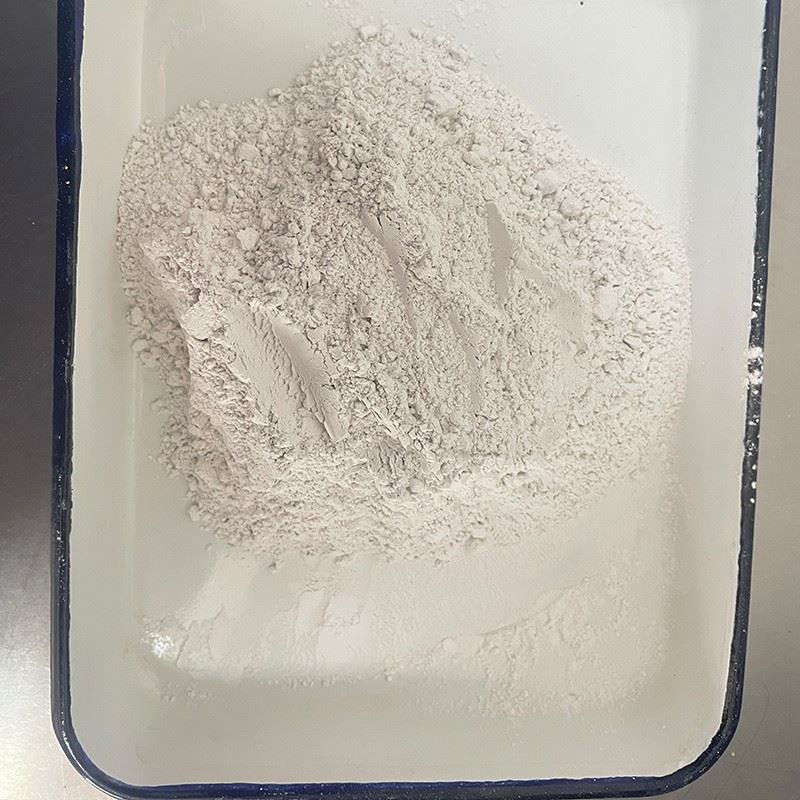
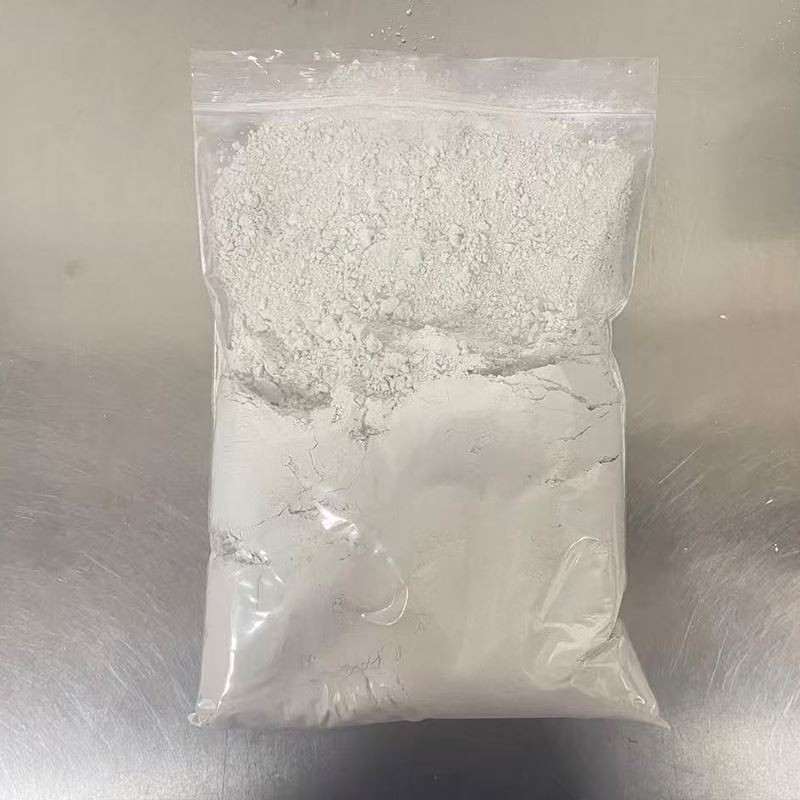
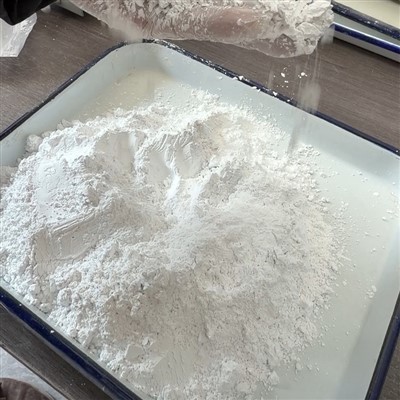
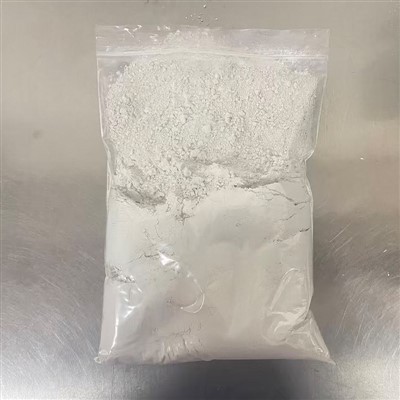
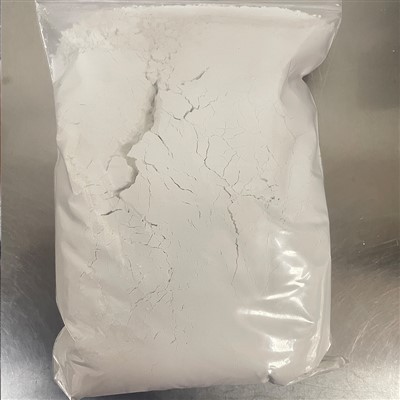
First off, let's understand what Mixed Alkali Powder is. Mixed Alkali Powder, also known as Composite Alkali Powder, is a blend of different alkali substances. It's widely used in various industries, such as the chemical, textile, and paper industries. You can check out more about it on this Mixed Alkali Powder page.
In the United States, the standards for Mixed Alkali Powder are set by several organizations. The American Chemical Society (ACS) and the Environmental Protection Agency (EPA) play crucial roles. The ACS has specific guidelines regarding the chemical composition of Mixed Alkali Powder. For example, it specifies the maximum allowable levels of impurities like heavy metals. The EPA, on the other hand, focuses on the environmental impact of the powder. If the powder is used in industrial processes, it must meet certain emission and waste - disposal standards.
The European Union also has its own set of strict standards. The REACH (Registration, Evaluation, Authorization and Restriction of Chemicals) regulation is a major factor. It requires companies to register the substances they use and provides detailed guidelines on the safety and environmental impact of chemicals, including Mixed Alkali Powder. In the EU, the purity of the powder is closely monitored. The content of active alkali components must be within a certain range, and the presence of harmful substances is strictly limited.
In Asia, countries like China and Japan have their own unique standards. In China, the National Standardization Administration sets the standards for industrial products, including Industrial Composite Alkali Powder. These standards cover aspects such as the chemical composition, particle size, and solubility of the powder. Japanese standards are also very strict, often focusing on the quality and performance of the powder in specific applications, like in the production of high - quality paper.
Now, let's talk about how these different standards affect us as suppliers. As a supplier, we need to be aware of the standards in each target market. If we want to export our Mixed Alkali Powder to the US, we have to make sure it meets the ACS and EPA requirements. This might involve additional testing and quality control measures.
When it comes to the EU market, complying with REACH can be a bit of a challenge. We need to ensure that our production process is environmentally friendly and that we can provide all the necessary documentation about the powder's composition and safety. In Asian markets, we have to follow the local standards, which might be different from those in the West.
One of the key differences in standards across countries is the focus on different aspects. For example, in some countries, the emphasis is on the chemical purity of the powder, while in others, the environmental and safety aspects are more important. This means that we as suppliers need to be flexible and adaptable. We might need to adjust our production process or the formulation of our Mixed Alkali Powder depending on the target market.
Another important point is the certification process. Different countries have different certification requirements. In the US, we might need to get a certification from a recognized laboratory to prove that our powder meets the ACS standards. In the EU, the REACH registration is a must. In Asia, local certification bodies are responsible for ensuring compliance with national standards.
As a supplier, we also need to keep an eye on any changes in the standards. Standards can change over time due to new research, environmental concerns, or changes in industry practices. For example, if new studies show that a certain impurity in Mixed Alkali Powder is more harmful than previously thought, the standards might be updated to reduce the allowable level of that impurity.
In addition to the official standards, there are also industry - specific standards. For example, the textile industry might have its own requirements for the quality of Mixed Alkali Powder used in dyeing and finishing processes. These industry - specific standards can be just as important as the national standards, as they ensure that the powder performs well in specific applications.
So, if you're in the market for Mixed Alkali Powder, it's important to understand the standards in your country or region. And if you're looking for a reliable supplier, we're here to help. We have a team of experts who are well - versed in the different standards around the world. We can provide you with high - quality Mixed Alkali Powder that meets all the necessary requirements.
Whether you're in the chemical, textile, or paper industry, we can offer you the right product for your needs. If you're interested in learning more about our Mixed Alkali Powder or want to discuss your specific requirements, feel free to reach out. We're always happy to have a chat and see how we can work together.
References:
- American Chemical Society (ACS) official guidelines
- European Union REACH regulation
- National Standardization Administration of China
- Japanese industrial standards for chemical products
So, don't hesitate to contact us if you're looking to source high - quality Mixed Alkali Powder. We're here to make your procurement process smooth and hassle - free.