Hey there! As a supplier of Hydrolyzed Lime Powder, I've been getting a lot of questions about how it affects aquatic life. So, I thought I'd dive into this topic and share what I know.
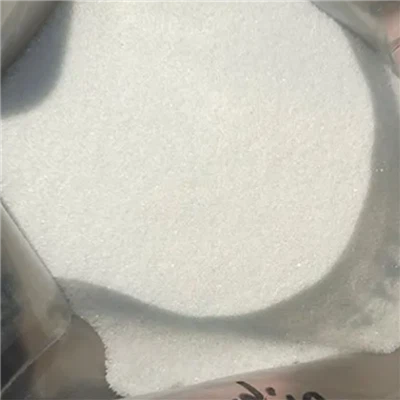
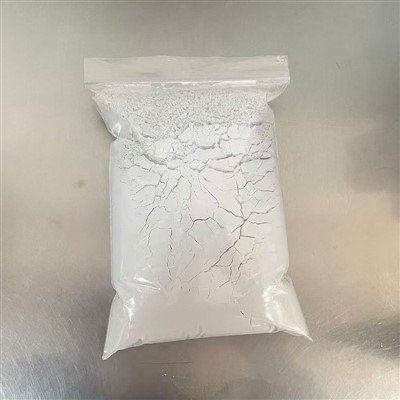
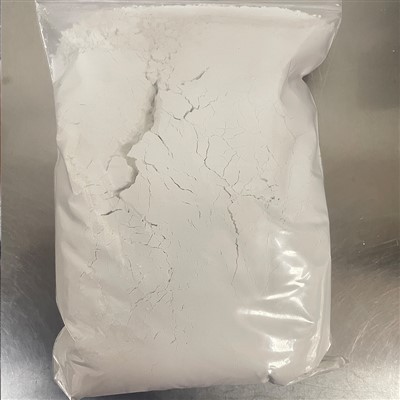
First off, let's talk about what hydrolyzed lime powder is. It's basically a product that's created when quicklime (calcium oxide) reacts with water. This reaction results in slaked lime or calcium hydroxide. There are different types available, like High Purity Slaked Lime Powder, Lime Hydrated Powder, and Hydrated Limestone Powder.


Positive Effects on Aquatic Life
One of the major positive effects of hydrolyzed lime powder is its ability to adjust the pH level in water. In many aquatic environments, the pH can fluctuate due to various factors like pollution, acid rain, or the decomposition of organic matter. When the pH gets too low (acidic), it can be harmful to many aquatic organisms. Hydrolyzed lime powder is alkaline, so when it's added to water, it can neutralize the acid and bring the pH back to a more suitable range.
For example, in fish farms, maintaining the right pH is crucial for the health and growth of fish. Many fish species thrive in a slightly alkaline environment. By adding the right amount of hydrolyzed lime powder, fish farmers can create a more stable and healthy habitat for their fish. It also helps in reducing the stress on the fish, which in turn can improve their immune system and overall well - being.
Another benefit is its role in water purification. Hydrolyzed lime powder can act as a coagulant. When it's added to water, it causes small particles and impurities to clump together. These clumps then settle to the bottom of the water body, making it easier to remove them. This is especially important in lakes, ponds, and water treatment plants. Cleaner water means better living conditions for aquatic life. It reduces the amount of suspended solids that can block sunlight from reaching underwater plants. These plants are essential as they produce oxygen through photosynthesis, which is vital for the survival of fish and other aquatic animals.
Negative Effects on Aquatic Life
However, like anything, hydrolyzed lime powder can also have negative effects if not used properly. One of the main concerns is over - dosing. If too much hydrolyzed lime powder is added to the water, it can cause the pH to rise too high. A very high pH can be just as harmful as a very low pH. Many aquatic organisms are adapted to a specific pH range, and a sudden and extreme change can be lethal. For instance, some sensitive species of invertebrates like snails and certain types of crustaceans may not be able to tolerate a high - pH environment. Their shells or exoskeletons can be damaged, and their physiological processes can be disrupted.
In addition, the increased alkalinity can also affect the solubility of certain nutrients in the water. Some essential nutrients like iron, manganese, and phosphate can become less available to aquatic plants and animals when the pH is too high. This can lead to nutrient deficiencies, which can impact the growth and reproduction of these organisms.
Another potential issue is the impact on the sediment in the water. When hydrolyzed lime powder is added, it can cause changes in the sediment's chemical and physical properties. This can affect the organisms that live in the sediment, such as worms and other bottom - dwelling creatures. The altered sediment can make it difficult for these organisms to burrow, feed, and reproduce.
Factors Affecting the Impact
The impact of hydrolyzed lime powder on aquatic life depends on several factors. The type of aquatic environment is one of them. For example, a small, enclosed pond will react differently to the addition of hydrolyzed lime powder compared to a large, open lake. In a pond, the effects can be more concentrated and immediate, while in a lake, the larger volume of water can dilute the powder more, resulting in a slower and less intense change.
The species of aquatic life present also matters. Some species are more tolerant of changes in pH and water chemistry than others. For example, some fish species, like carp, are relatively hardy and can tolerate a wider range of pH levels compared to more sensitive species like trout.
The amount of hydrolyzed lime powder added is obviously a crucial factor. As mentioned earlier, the right dosage is key to achieving the desired positive effects without causing harm. It's important to conduct regular water tests to determine the appropriate amount of powder to add.
How to Use Hydrolyzed Lime Powder Responsibly
If you're considering using hydrolyzed lime powder in an aquatic environment, here are some tips to use it responsibly. First, start with a small amount. Don't just dump a large quantity all at once. Monitor the water parameters closely, especially the pH, after adding the powder. You can use a simple water testing kit to check the pH, as well as other important parameters like dissolved oxygen and nutrient levels.
It's also a good idea to consult with an aquatic expert or a professional in the field. They can provide more specific advice based on the type of aquatic environment you're dealing with and the species of organisms present.
Conclusion
In conclusion, hydrolyzed lime powder can have both positive and negative effects on aquatic life. When used correctly, it can be a valuable tool for maintaining a healthy aquatic environment. It can help adjust the pH, purify the water, and create a better habitat for fish and other organisms. However, improper use can lead to serious problems, such as high pH levels and nutrient deficiencies.
If you're interested in purchasing high - quality hydrolyzed lime powder for your aquatic needs, feel free to reach out. We're here to help you make the right choices and ensure that your aquatic environment thrives.
References
- Smith, J. (2018). Aquatic Chemistry: Principles and Applications. Publisher X.
- Johnson, A. (2019). The Impact of Chemical Additives on Aquatic Ecosystems. Journal of Aquatic Science, 25(3), 123 - 135.