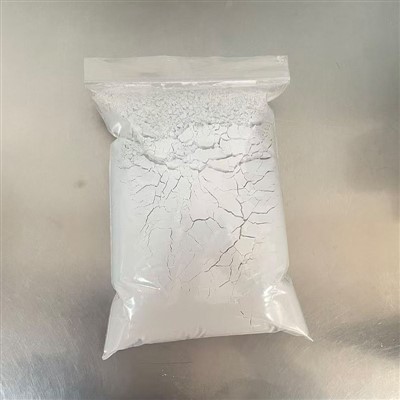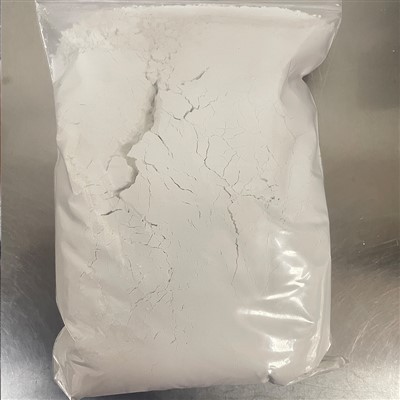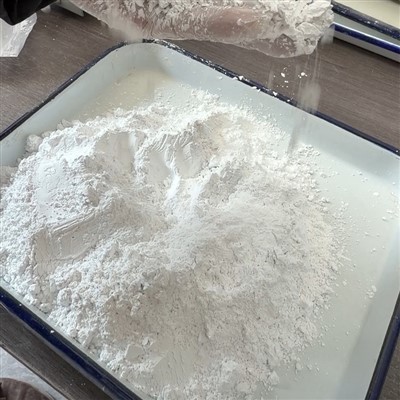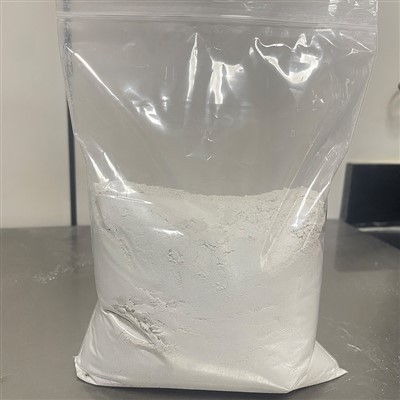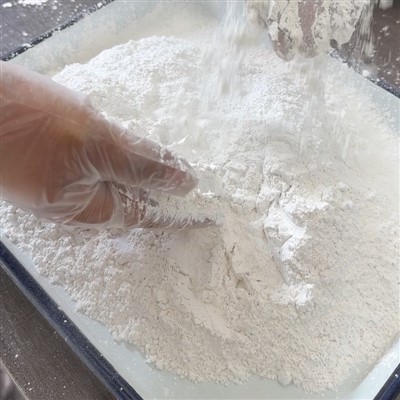
Hey there! As a supplier of natural calcite powder, I often get asked about the differences between natural calcite powder and synthetic calcite powder. So, I thought I'd share some insights on this topic to help you understand which one might be the best fit for your needs.


What is Calcite Powder?
First off, let's quickly cover what calcite powder is. Calcite is a carbonate mineral and one of the most common minerals on Earth. Calcite powder is made by grinding calcite rocks into a fine powder. It has a wide range of applications, from construction and agriculture to cosmetics and pharmaceuticals.
Natural Calcite Powder
Natural calcite powder is derived directly from calcite deposits in the earth. It's a product of nature, formed over millions of years through geological processes. One of the biggest advantages of natural calcite powder is its purity. Since it comes straight from the ground, it retains many of the natural elements and minerals found in calcite.
This natural composition gives it unique properties. For example, natural calcite powder often has a more complex and diverse chemical makeup compared to its synthetic counterpart. It can contain trace elements like magnesium, iron, and manganese, which can be beneficial in certain applications.
In the construction industry, natural calcite powder is highly valued for its strength and durability. It's used in the production of cement, concrete, and asphalt. When added to these materials, it can improve their workability and increase their resistance to wear and tear.
In agriculture, natural calcite powder is a great source of calcium for plants and animals. It can be used as a soil conditioner to adjust the pH level of the soil, making it more suitable for plant growth. And in cattle feed, it provides essential calcium for the development of strong bones and teeth. Check out Calcite Powder In Cattle Feed for more information on this application.
Synthetic Calcite Powder
Synthetic calcite powder, on the other hand, is man-made. It's typically produced through chemical reactions in a laboratory or industrial setting. The advantage of synthetic calcite powder is that it can be engineered to have specific properties. Manufacturers can control the particle size, shape, and chemical composition to meet the exact requirements of different applications.
For example, in the pharmaceutical industry, synthetic calcite powder can be made with a very high level of purity, which is crucial for drug formulations. It can also be produced with a consistent particle size distribution, which is important for ensuring the uniformity of the final product.
In the cosmetics industry, synthetic calcite powder is often used as a filler or extender. It can improve the texture and appearance of products like powders, creams, and lotions. Because it can be customized, it can be tailored to meet the specific needs of different cosmetic formulations.
Differences in Purity
One of the key differences between natural and synthetic calcite powder is purity. As I mentioned earlier, natural calcite powder can contain trace elements and impurities. While these can be beneficial in some applications, they may not be suitable for others. For example, in the electronics industry, even the slightest impurity can affect the performance of electronic components. In such cases, synthetic calcite powder, which can be produced with a very high level of purity, is often the preferred choice.
However, it's important to note that high-purity natural calcite powder is also available. At our company, we offer High Purity Calcite Powder that meets strict quality standards. Through advanced processing techniques, we can remove impurities and ensure a high level of purity.
Differences in Particle Size
Particle size is another important factor to consider. Natural calcite powder typically has a wider range of particle sizes compared to synthetic calcite powder. This can be an advantage in some applications, such as in the construction industry, where a wider particle size distribution can improve the packing density of concrete and other materials.
On the other hand, synthetic calcite powder can be produced with a very narrow particle size distribution. This is beneficial in applications where a consistent particle size is required, such as in the production of pigments and coatings. For applications that require a fine particle size, we also offer Micronized Calcite, which has a very small particle size and can provide excellent performance.
Cost Considerations
Cost is always a factor when choosing between natural and synthetic calcite powder. Generally, natural calcite powder is more cost-effective, especially for large-scale applications. Since it's sourced directly from the earth, the production cost is relatively low.
Synthetic calcite powder, on the other hand, can be more expensive due to the complex manufacturing processes involved. However, in some cases, the benefits of using synthetic calcite powder, such as its high purity and consistent particle size, may justify the higher cost.
Environmental Impact
Another aspect to consider is the environmental impact. Natural calcite powder is a natural resource, and its extraction can have an impact on the environment. However, responsible mining practices can minimize this impact. At our company, we are committed to sustainable mining and processing methods to reduce our environmental footprint.
Synthetic calcite powder, on the other hand, requires energy and chemicals for production, which can also have an environmental impact. However, the production process can be more controlled, and waste can be minimized.
Which One Should You Choose?
So, which one should you choose? Well, it depends on your specific needs. If you need a cost-effective solution with a natural composition and a wide range of particle sizes, natural calcite powder may be the right choice for you. On the other hand, if you require a high level of purity and a consistent particle size, synthetic calcite powder may be more suitable.
If you're still not sure which type of calcite powder is best for your application, feel free to reach out to us. We have a team of experts who can help you make an informed decision. Whether you're in the construction, agriculture, cosmetics, or any other industry, we can provide you with the right calcite powder solution.
Conclusion
In conclusion, both natural and synthetic calcite powder have their own unique advantages and disadvantages. Understanding the differences between them can help you make the right choice for your specific application. At our company, we are dedicated to providing high-quality calcite powder products that meet the needs of our customers. If you're interested in learning more about our products or would like to discuss your requirements, please don't hesitate to contact us. We look forward to working with you!
References
- "Calcite: The Mineral Calcite information and pictures." Geology.com.
- "Calcite - Wikipedia." Wikipedia.
- "Applications of Calcite Powder in Different Industries." Industry Reports.