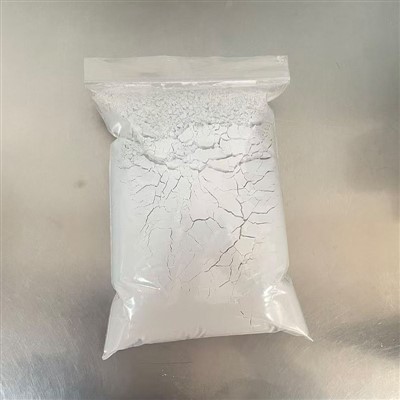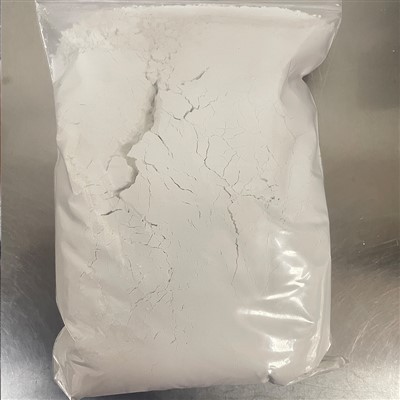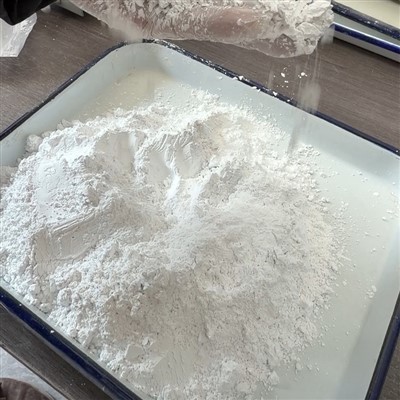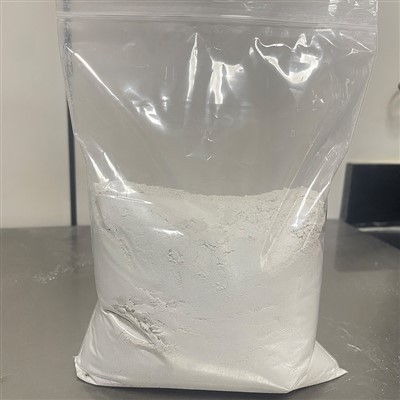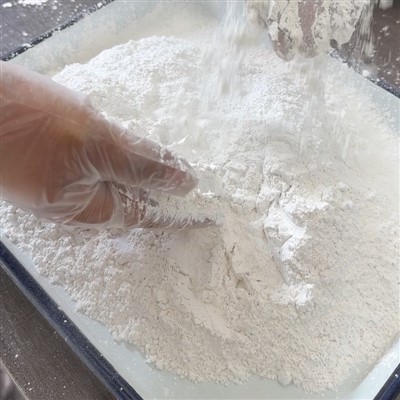
Hey there! As a supplier of Micronized Calcite Powder, I often get asked about the abrasion value of this product. So, I thought I'd take some time to break it down for you all.
First off, let's understand what abrasion value actually means. In simple terms, the abrasion value of a material is a measure of how resistant it is to wear and tear when it comes into contact with other surfaces. For Micronized Calcite Powder, this is a crucial property, especially considering its wide range of applications.
Micronized Calcite Powder is a finely ground form of calcite, a mineral that's quite common in nature. It's used in various industries, such as plastics, rubber, paints, and coatings. In these applications, the powder needs to be able to withstand the mechanical stresses it's exposed to without losing its integrity.
The abrasion value of Micronized Calcite Powder is influenced by several factors. One of the main factors is the particle size. Finer particles generally have a lower abrasion value because they can fill in gaps and create a smoother surface. This reduces the friction between the powder and other materials, resulting in less wear.
Another factor is the purity of the calcite. Higher purity calcite tends to have a lower abrasion value as well. Impurities in the calcite can cause uneven surfaces and increase the likelihood of abrasion. That's why we at [our company] take great care to ensure that our Micronized Calcite Powder is of the highest purity.
Now, let's talk about how the abrasion value is measured. There are several standard tests that can be used to determine the abrasion value of a material. One common test is the Taber Abrasion Test. In this test, a sample of the Micronized Calcite Powder is placed on a rotating platform, and a weighted abrasive wheel is applied to the surface. The amount of material that is removed after a certain number of rotations is then measured. This gives us an indication of the powder's abrasion resistance.
The abrasion value of Micronized Calcite Powder can have a significant impact on its performance in different applications. For example, in the plastics industry, a lower abrasion value means that the powder will cause less wear on the processing equipment. This can lead to longer equipment life and lower maintenance costs. In the paint and coating industry, a powder with a low abrasion value will provide a smoother finish and better durability.


As a supplier, we understand the importance of providing our customers with high-quality Micronized Calcite Powder with a consistent abrasion value. That's why we have strict quality control measures in place. We test each batch of powder to ensure that it meets our standards for abrasion resistance.
If you're in the market for Micronized Calcite Powder, you might also be interested in Fine Calcite Powder and Natural Calcite Powder. These products have their own unique properties and applications, but they also share some similarities with Micronized Calcite Powder.
Micronized Calcite is known for its fine particle size and high purity, which makes it ideal for applications where a smooth finish and low abrasion are required. Fine Calcite Powder, on the other hand, has a slightly larger particle size and is often used in applications where a more coarse texture is acceptable. Natural Calcite Powder is sourced directly from natural deposits and is often used in applications where a more natural look and feel are desired.
In conclusion, the abrasion value of Micronized Calcite Powder is an important property that can affect its performance in various applications. By understanding the factors that influence the abrasion value and ensuring that our products meet strict quality standards, we can provide our customers with a high-quality product that meets their needs.
If you're interested in learning more about our Micronized Calcite Powder or have any questions about its abrasion value, please don't hesitate to reach out. We'd be happy to discuss your specific requirements and help you find the right product for your application.
References:
- ASTM D4060 - Standard Test Method for Abrasion Resistance of Organic Coatings by the Taber Abraser
- Handbook of Mineral Fillers and Reinforcements for Plastics