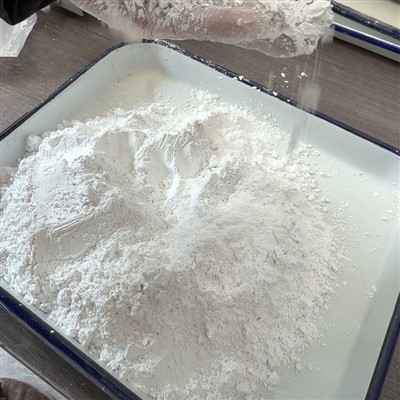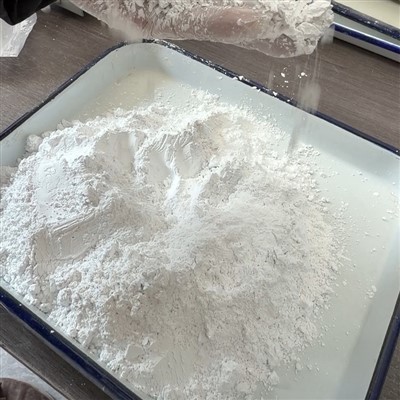
Natural calcite powder, a versatile and widely used material, has gained significant attention in recent years for its remarkable ability to adsorb pollutants. As a supplier of Natural Calcite Powder, I am excited to delve into the science behind how this natural substance effectively captures and removes various pollutants from different environments.
Understanding Natural Calcite Powder
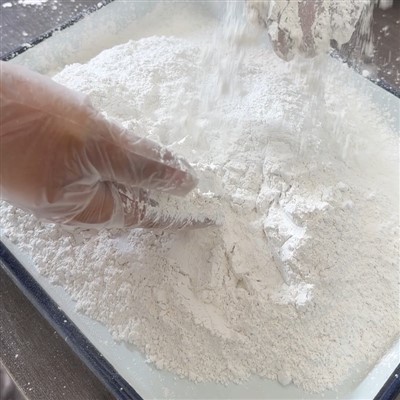
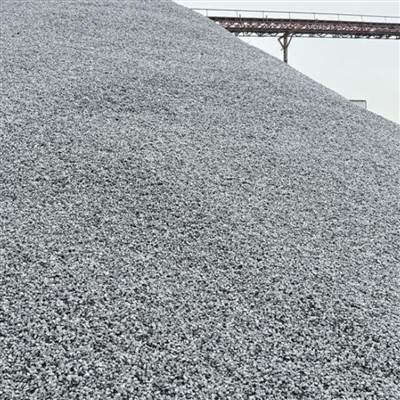
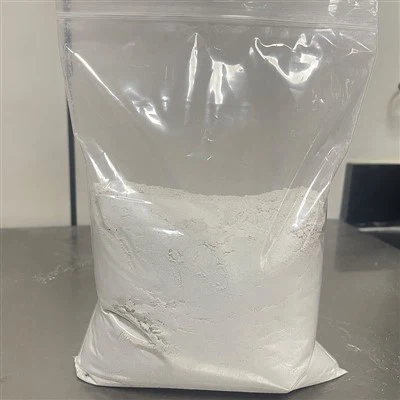
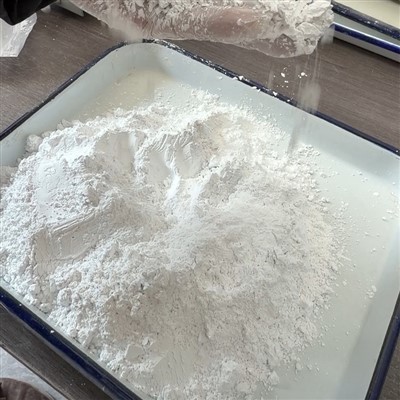
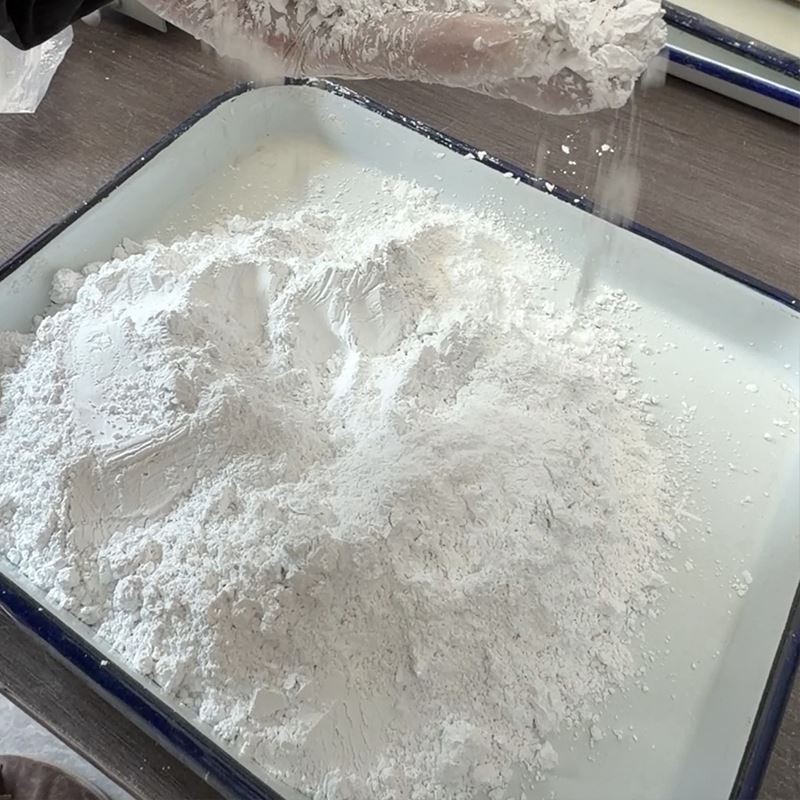
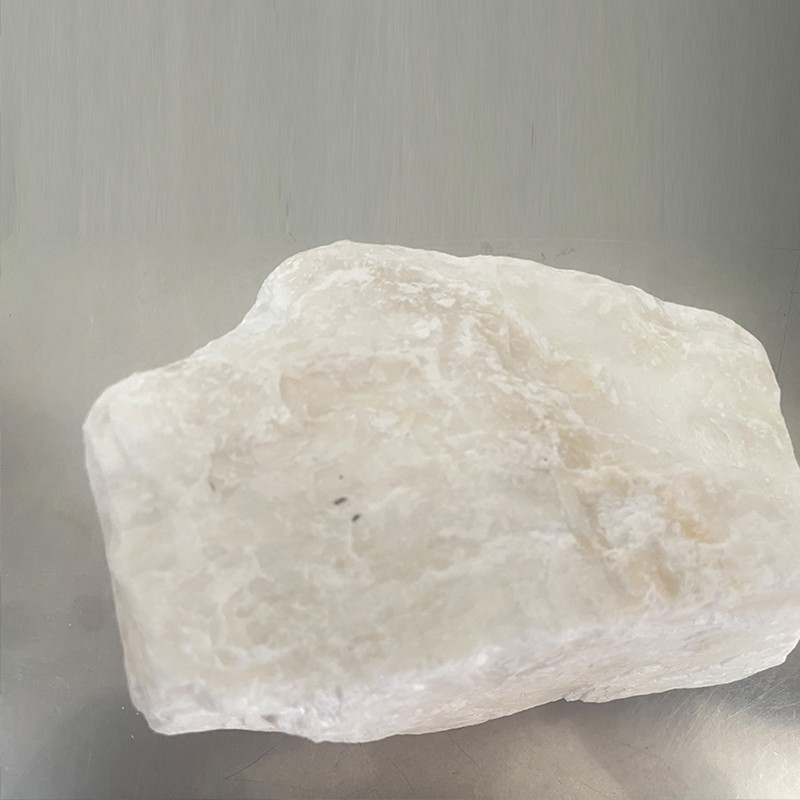
Calcite is a carbonate mineral with the chemical formula CaCO₃. It is one of the most common minerals on Earth and can be found in sedimentary, metamorphic, and igneous rocks. Natural calcite powder is obtained by grinding calcite rocks into fine particles. The powder has a high surface area, which is crucial for its adsorption properties.
Mechanisms of Pollutant Adsorption
Physical Adsorption
Physical adsorption, also known as physisorption, occurs when pollutants are attracted to the surface of the calcite powder through weak van der Waals forces. These forces are relatively weak compared to chemical bonds but are sufficient to hold the pollutants on the surface of the calcite particles. The large surface area of the calcite powder provides numerous sites for the pollutants to attach, increasing the overall adsorption capacity.
For example, in water treatment applications, calcite powder can adsorb organic pollutants such as dyes and pesticides. The hydrophobic nature of some organic pollutants allows them to interact with the surface of the calcite powder, leading to their removal from the water.
Chemical Adsorption
Chemical adsorption, or chemisorption, involves the formation of chemical bonds between the pollutants and the calcite surface. This process is more specific and often results in a stronger attachment of the pollutants to the calcite powder.
One of the key chemical reactions involved in the adsorption of pollutants by calcite is the ion exchange process. Calcite contains calcium ions (Ca²⁺) on its surface, which can be exchanged with other ions present in the pollutant solution. For instance, heavy metal ions such as lead (Pb²⁺), cadmium (Cd²⁺), and mercury (Hg²⁺) can replace the calcium ions on the calcite surface, forming stable complexes. This ion exchange mechanism effectively removes heavy metals from the solution.
Applications of Natural Calcite Powder in Pollutant Removal
Water Treatment
Natural calcite powder is widely used in water treatment plants to remove various pollutants. It can be added to the water as a filter media or used in combination with other treatment processes. The powder can adsorb suspended solids, organic matter, and heavy metals, improving the quality of the water.
In addition to its adsorption properties, calcite powder can also act as a pH buffer. It can neutralize acidic water by releasing calcium carbonate, which reacts with the hydrogen ions in the water to form carbon dioxide and water. This helps to maintain a stable pH level in the water, which is essential for the survival of aquatic organisms.
Air Purification
Calcite powder can also be used in air purification systems to remove pollutants such as particulate matter, volatile organic compounds (VOCs), and sulfur dioxide (SO₂). The powder can be coated on filters or used in adsorption beds to capture the pollutants.
The large surface area of the calcite powder allows it to adsorb a significant amount of pollutants from the air. The chemical properties of calcite also make it effective in removing acidic pollutants such as SO₂. When SO₂ comes into contact with calcite, it reacts with the calcium carbonate to form calcium sulfate, which can be easily removed from the system.
Soil Remediation
In soil remediation, natural calcite powder can be used to adsorb heavy metals and other pollutants from contaminated soil. The powder can be mixed with the soil to increase its pH and improve its adsorption capacity. The ion exchange mechanism of calcite allows it to remove heavy metals from the soil, reducing their bioavailability and toxicity.
Factors Affecting the Adsorption Capacity of Natural Calcite Powder
Particle Size
The particle size of the calcite powder plays a crucial role in its adsorption capacity. Smaller particles have a larger surface area, which provides more sites for the pollutants to attach. Therefore, finer calcite powders generally have a higher adsorption capacity compared to coarser powders.
pH
The pH of the solution also affects the adsorption capacity of calcite powder. In general, calcite is more effective in adsorbing pollutants at a slightly alkaline pH. At low pH values, the calcium carbonate in the calcite powder can dissolve, reducing its adsorption capacity. On the other hand, at high pH values, the formation of hydroxide precipitates can interfere with the adsorption process.
Temperature
Temperature can also influence the adsorption process. In general, an increase in temperature can increase the rate of adsorption, as it provides more energy for the pollutants to overcome the activation energy barrier and attach to the calcite surface. However, at very high temperatures, the adsorption capacity may decrease due to the desorption of the pollutants from the surface.
Conclusion
Natural calcite powder is a highly effective adsorbent for removing various pollutants from different environments. Its physical and chemical properties make it suitable for a wide range of applications, including water treatment, air purification, and soil remediation. As a supplier of Natural Calcite Powder, we are committed to providing high-quality products that meet the needs of our customers.
If you are interested in using natural calcite powder for pollutant removal or other applications, we invite you to contact us for more information. Our team of experts can provide you with detailed technical support and help you choose the right product for your specific requirements. We look forward to working with you to achieve a cleaner and healthier environment.
References
- Huang, X., & Zhang, H. (2018). Adsorption of heavy metals by calcite: A review. Journal of Environmental Sciences, 66, 1-12.
- Li, Y., & Zhang, L. (2019). Removal of organic pollutants from water by calcite powder: A review. Chemical Engineering Journal, 361, 1225-1236.
- Wang, Y., & Chen, J. (2020). Application of calcite powder in air purification: A review. Environmental Science and Pollution Research, 27(20), 24833-24843.