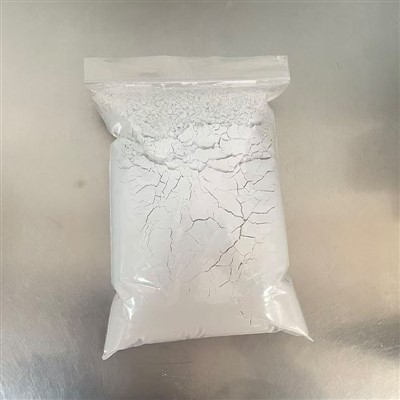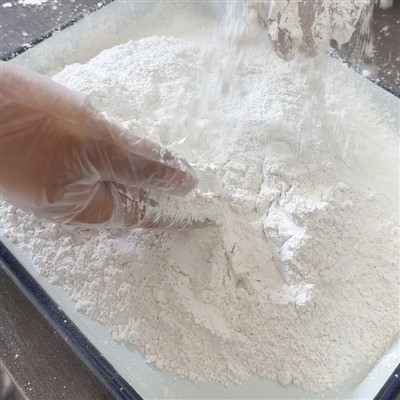
Compressibility is a crucial property in the study and application of calcium carbonate powder. As a leading supplier of calcium carbonate powder, I am often asked about the compressibility of this versatile material. In this blog, we will delve into what compressibility means for calcium carbonate powder, its influencing factors, and its significance in various industries.
Understanding Compressibility
Compressibility refers to the ability of a material to be reduced in volume under the application of pressure. For calcium carbonate powder, compressibility is a measure of how much the powder can be compacted when subjected to external forces. This property is of great importance as it affects the handling, storage, and performance of the powder in different applications.
When we talk about the compressibility of calcium carbonate powder, we are essentially looking at how the individual particles of the powder respond to pressure. The particles can be deformed, rearranged, or even broken down under pressure, leading to a change in the overall volume of the powder. The degree of compressibility depends on several factors, including the particle size, shape, and surface properties of the calcium carbonate powder.
Factors Affecting the Compressibility of Calcium Carbonate Powder
Particle Size
Particle size plays a significant role in the compressibility of calcium carbonate powder. Generally, smaller particles have a higher surface area to volume ratio, which means they can pack more closely together under pressure. This results in a higher compressibility compared to larger particles. For example, nano - sized calcium carbonate particles can be compressed more easily than micron - sized particles due to their small size and high surface activity.
Particle Shape
The shape of the calcium carbonate particles also affects compressibility. Spherical particles tend to have better compressibility than irregularly shaped particles. Spherical particles can roll and slide over each other more easily during compression, allowing for a more efficient packing arrangement. In contrast, irregularly shaped particles may interlock with each other, making it more difficult to compress the powder.
Surface Properties
The surface properties of calcium carbonate powder, such as surface roughness and surface energy, can influence its compressibility. A powder with a rough surface may have more friction between particles, making it harder to compress. On the other hand, a powder with a high surface energy may have a greater tendency to agglomerate, which can also affect its compressibility.
Significance of Compressibility in Different Industries
Pharmaceutical Industry
In the pharmaceutical industry, the compressibility of calcium carbonate powder is crucial for tablet formulation. Calcium carbonate is often used as an excipient in tablets, and its compressibility affects the hardness, friability, and dissolution rate of the tablets. A powder with good compressibility can be easily compressed into tablets with the desired properties, ensuring the quality and efficacy of the pharmaceutical product. For more information on calcium carbonate powder suitable for pharmaceutical applications, you can visit Calcium Carbonate Powder for Eating.
Food Industry
In the food industry, calcium carbonate is used as a food additive, such as a calcium supplement or an anti - caking agent. The compressibility of the powder affects its flowability and dispersibility in food products. A powder with good compressibility can be more easily incorporated into food formulations, ensuring uniform distribution and stability.
Animal Feed Industry
Calcium carbonate is an important source of calcium in animal feed. In the case of bird feed, for example, the compressibility of the powder affects the pelletization process. A powder with appropriate compressibility can be formed into high - quality pellets that are easy to handle and store. You can find more details about Calcium Carbonate Powder for Birds.
Paint and Coating Industry
In the paint and coating industry, calcium carbonate is used as a filler. The compressibility of the powder affects the viscosity and rheological properties of the paint or coating. A powder with good compressibility can be more easily dispersed in the paint matrix, improving the overall performance of the coating.


Measuring the Compressibility of Calcium Carbonate Powder
There are several methods to measure the compressibility of calcium carbonate powder. One common method is the Carr's index, which is calculated based on the bulk density and tapped density of the powder. A lower Carr's index indicates better compressibility. Another method is the Hausner ratio, which is the ratio of the tapped density to the bulk density. A Hausner ratio closer to 1 indicates better flowability and compressibility.
Our High - Quality Calcium Carbonate Powder
As a supplier of calcium carbonate powder, we understand the importance of compressibility in different applications. Our calcium carbonate powder is carefully processed to ensure optimal particle size, shape, and surface properties, resulting in excellent compressibility. We offer a wide range of calcium carbonate products to meet the diverse needs of our customers in various industries.
Whether you are in the pharmaceutical, food, animal feed, or paint and coating industry, our calcium carbonate powder can provide the performance you need. We also offer Calcium Carbonate Dust for specific applications.
Contact Us for Procurement
If you are interested in our calcium carbonate powder and would like to discuss your specific requirements, we encourage you to contact us. Our team of experts is ready to provide you with detailed information and support to help you make the right choice for your business. We are committed to providing high - quality products and excellent customer service.
References
- German, R. M. (1994). Powder Metallurgy Science. Metal Powder Industries Federation.
- Rhodes, M. J. (2008). Introduction to Particle Technology. Wiley.
- Hersey, J. A. (1993). Pharmaceutical Dosage Forms: Tablets. Marcel Dekker.