As a supplier of CaOH powder, I've witnessed firsthand the importance of understanding the signs of its degradation. CaOH powder, also known as calcium hydroxide powder, has a wide range of applications, from dentistry to industrial processes. Ensuring its quality and stability is crucial for both the end - users and us as suppliers.
1. Physical Changes
Color Alteration
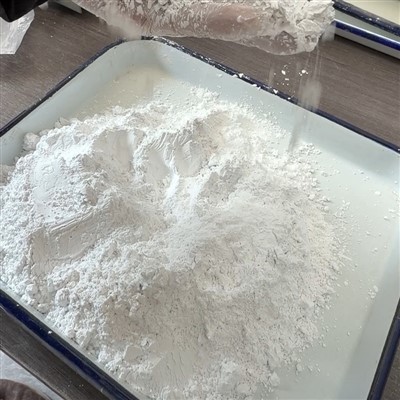
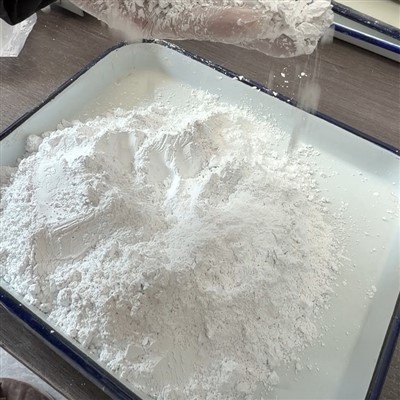
One of the most obvious signs of CaOH powder degradation is a change in color. Fresh CaOH powder typically has a white, powdery appearance. Over time, exposure to air, moisture, or certain chemicals can cause it to turn yellowish or even brown. This discoloration is often due to oxidation or the formation of new chemical compounds. For example, when CaOH reacts with carbon dioxide in the air, it forms calcium carbonate, which can lead to a change in color. If you notice that your CaOH powder has started to deviate from its original white color, it might be an indication of degradation.
Texture Modification
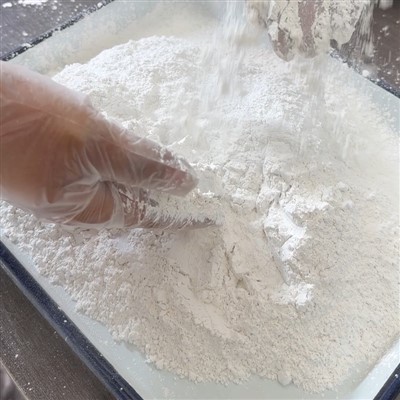
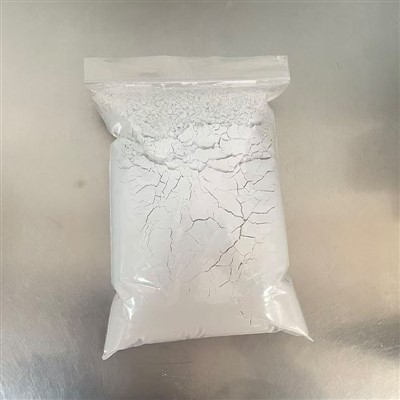
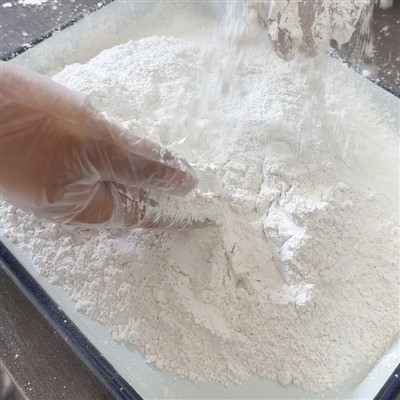
The texture of CaOH powder can also provide valuable clues about its condition. Fresh powder is fine and free - flowing. However, as it degrades, it may start to clump together. This clumping can be a result of moisture absorption. When CaOH powder absorbs moisture, it can form small aggregates that stick together. These clumps can be difficult to break up and may affect the powder's performance in applications. For instance, in Calcium Hydroxide Powder Dental applications, a clumpy powder may not mix well with other dental materials, leading to inconsistent results.
2. Chemical Changes
pH Variation
CaOH is a strong base, and its pH is an important characteristic. A fresh sample of CaOH powder in an aqueous solution typically has a high pH, usually around 12 - 13. As the powder degrades, the pH of its solution may change. If the powder has reacted with acidic substances in the environment or has undergone chemical reactions that consume the hydroxide ions, the pH will decrease. This change in pH can have a significant impact on its applications. In Calcium Hydroxide Powder In Dentistry, the alkaline nature of CaOH is used to create an environment that is unfavorable for bacteria growth. A decrease in pH may reduce its antibacterial effectiveness.
Loss of Reactivity
CaOH powder is reactive and is used in many chemical processes because of its ability to react with acids, metals, and other substances. When it degrades, its reactivity may decline. For example, in water treatment applications, CaOH is used to adjust the pH and remove impurities. A degraded powder may not react as effectively with the acidic components in the water, resulting in poor water treatment results. This loss of reactivity can be measured by conducting chemical tests, such as titration, to determine the amount of available hydroxide ions in the powder.
3. Environmental Factors Affecting Degradation
Moisture
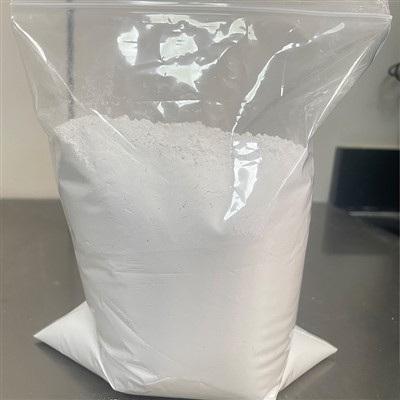
Moisture is one of the most significant factors contributing to CaOH powder degradation. CaOH is hygroscopic, which means it has a tendency to absorb moisture from the air. When it absorbs moisture, it can react with carbon dioxide in the air to form calcium carbonate. This reaction not only changes the chemical composition of the powder but also affects its physical properties, as mentioned earlier. To prevent moisture - related degradation, proper storage is essential. Storing CaOH powder in a dry, sealed container can significantly extend its shelf life.
Temperature
Temperature can also play a role in the degradation of CaOH powder. High temperatures can accelerate chemical reactions, leading to faster degradation. For example, at elevated temperatures, the reaction between CaOH and carbon dioxide may occur more rapidly. On the other hand, extremely low temperatures may cause the powder to become more brittle and may also affect its reactivity. Therefore, it is important to store CaOH powder in a temperature - controlled environment.
Exposure to Air
Exposure to air, especially for long periods, can lead to degradation. Air contains oxygen, carbon dioxide, and other gases that can react with CaOH. Oxygen can cause oxidation, while carbon dioxide can react to form calcium carbonate. To minimize the effects of air exposure, it is advisable to keep the powder in a closed container and limit the time it is exposed to the open air.
4. Impact on Applications
Dentistry
In dentistry, CaOH powder is widely used for its antibacterial and pulpal protective properties. Degraded CaOH powder may not provide the same level of protection as fresh powder. As mentioned earlier, a change in pH and reactivity can reduce its antibacterial effectiveness. In addition, clumping of the powder can make it difficult to mix with other dental materials, leading to inconsistent filling and sealing. This can ultimately affect the success of dental treatments. For more information on its use in dentistry, you can refer to Calcium Hydroxide Powder In Dentistry.
Industrial Applications
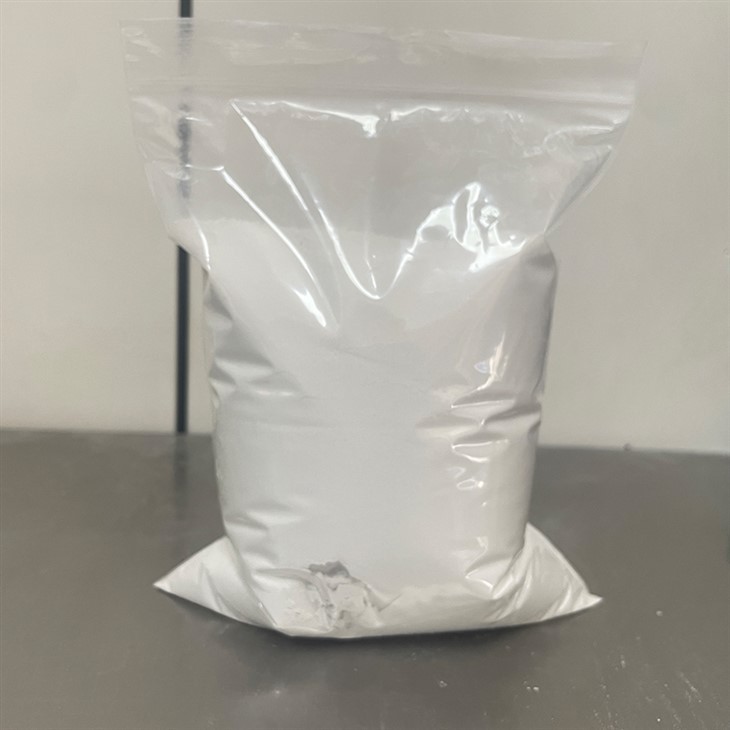
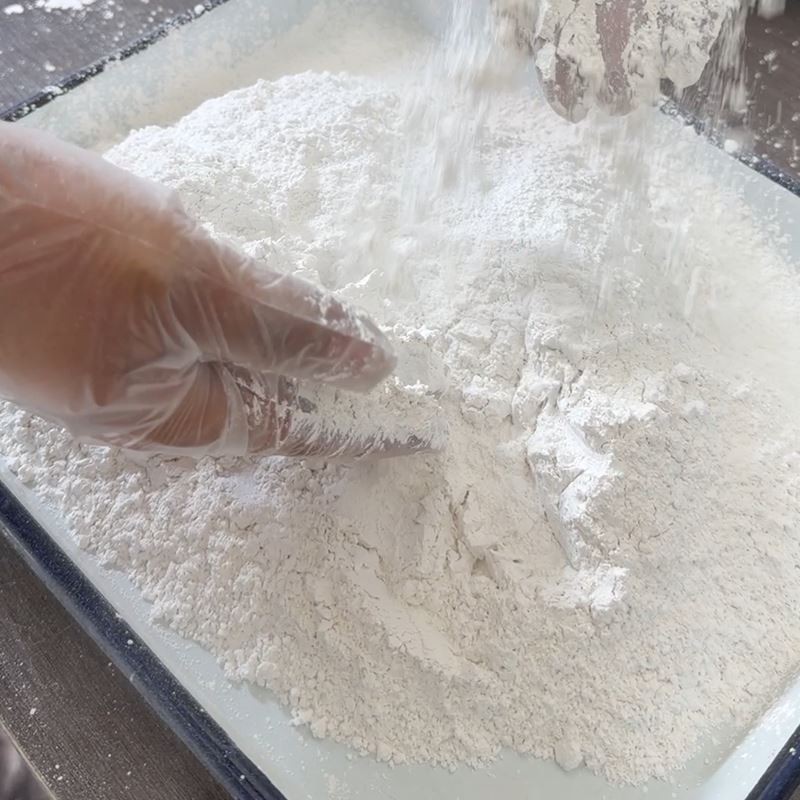
In industrial applications, such as water treatment and construction, the performance of CaOH powder is crucial. Degraded powder may not be able to effectively adjust the pH of water or react with other substances in construction materials. This can lead to sub - standard products and processes. For example, in the production of Powdered Hydrated Lime, degraded CaOH may result in a lower - quality final product.
5. Detection and Prevention
Detection
To detect the degradation of CaOH powder, regular quality control checks are necessary. These checks can include visual inspections for color and texture changes, pH measurements, and chemical tests to determine the reactivity. By conducting these tests at regular intervals, you can identify early signs of degradation and take appropriate action.
Prevention
Preventing degradation starts with proper storage. As mentioned earlier, storing CaOH powder in a dry, sealed container in a temperature - controlled environment is essential. Additionally, minimizing the powder's exposure to air and moisture can significantly extend its shelf life. When handling the powder, it is important to use clean tools and avoid cross - contamination.
Conclusion
Understanding the signs of CaOH powder degradation is crucial for both suppliers and end - users. By being aware of the physical and chemical changes, as well as the environmental factors that contribute to degradation, we can take steps to ensure the quality and stability of the powder. Whether it is for Calcium Hydroxide Powder Dental applications or industrial uses, high - quality CaOH powder is essential for optimal performance.
If you are in need of high - quality CaOH powder, we are here to assist you. We have a strict quality control system in place to ensure that our products meet the highest standards. Contact us to discuss your specific requirements and start a procurement negotiation. We look forward to working with you.
References
- "Calcium Hydroxide in Dentistry: A Review" - Journal of Dental Research
- "Industrial Applications of Calcium Hydroxide" - Chemical Engineering Journal
- "Storage and Handling of Calcium Hydroxide Powder" - Materials Science and Technology Handbook