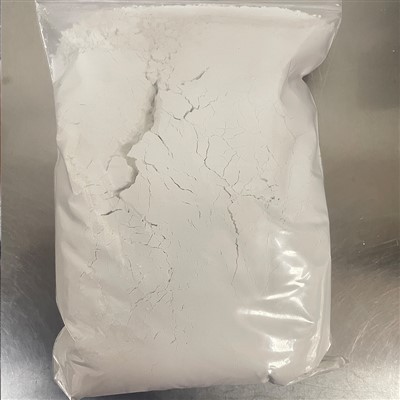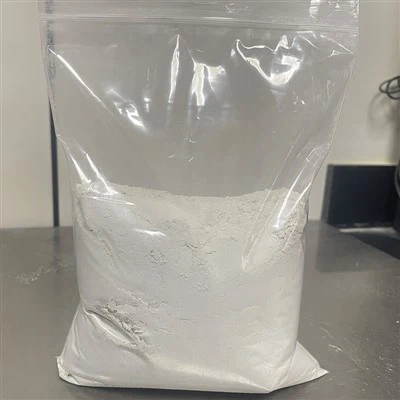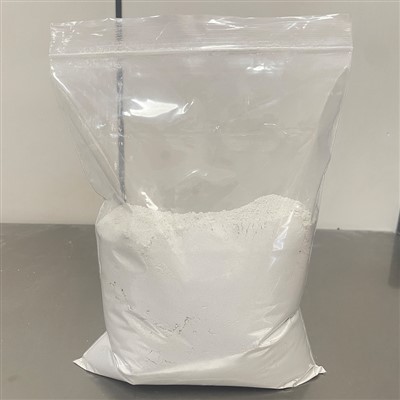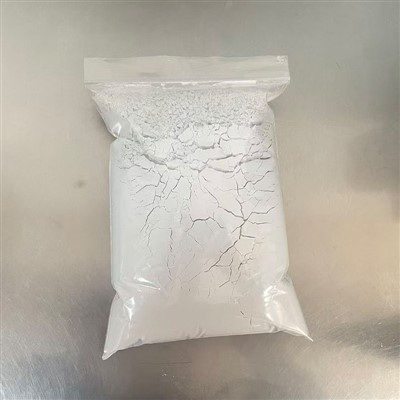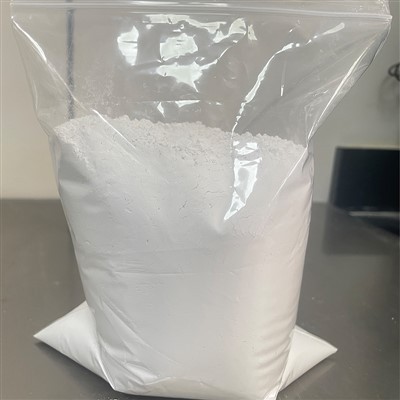
Hey there! I'm a supplier of Powdered Hydrated Lime, and today I'm gonna dive into the chemical properties of this cool stuff.
Basic Chemical Composition
Powdered hydrated lime, also known as calcium hydroxide (Ca(OH)₂), is formed when quicklime (calcium oxide, CaO) reacts with water. This reaction is highly exothermic, which means it releases a lot of heat. When you mix quicklime with water, it's like a mini chemical party going on! The water molecules break apart the calcium oxide structure and form new bonds with the calcium and oxygen atoms to create calcium hydroxide.
CaO + H₂O → Ca(OH)₂
This simple yet powerful reaction is the key to producing powdered hydrated lime. It's a process that's been around for ages and is still widely used today.
Solubility
One of the important chemical properties of powdered hydrated lime is its solubility. It's sparingly soluble in water. That means only a small amount of it will dissolve in water to form a solution called limewater. When you add powdered hydrated lime to water, it forms a cloudy suspension at first because not all of it immediately dissolves. Over time, some of the calcium hydroxide will dissolve, and you'll end up with a clear, slightly alkaline solution.
The solubility of calcium hydroxide decreases as the temperature increases. This is kind of the opposite of what you might expect with most substances. Usually, solubility goes up with temperature, but calcium hydroxide is a bit of a rebel. This property is important in various applications, like in water treatment.
Alkalinity
Powdered hydrated lime is a strong base. When it dissolves in water, it releases hydroxide ions (OH⁻). These hydroxide ions make the solution alkaline. The pH of a saturated solution of calcium hydroxide is around 12.4, which is quite high on the pH scale.
This alkalinity makes powdered hydrated lime useful in many industrial processes. For example, it can be used to neutralize acidic wastewaters. If a factory has wastewater that's too acidic, adding powdered hydrated lime can raise the pH and make it less harmful to the environment. It's like a superhero coming to the rescue of our water systems!
Reactivity with Acids
As a base, powdered hydrated lime reacts with acids in a process called neutralization. When it reacts with an acid, it forms a salt and water. For example, if it reacts with hydrochloric acid (HCl), the reaction looks like this:
Ca(OH)₂ + 2HCl → CaCl₂ + 2H₂O
This reaction is used in many industries, like in the production of calcium salts. It's also used in the food industry to adjust the acidity of certain products.
Decomposition
When heated to high temperatures, powdered hydrated lime decomposes into calcium oxide and water. The reaction is as follows:
Ca(OH)₂ → CaO + H₂O
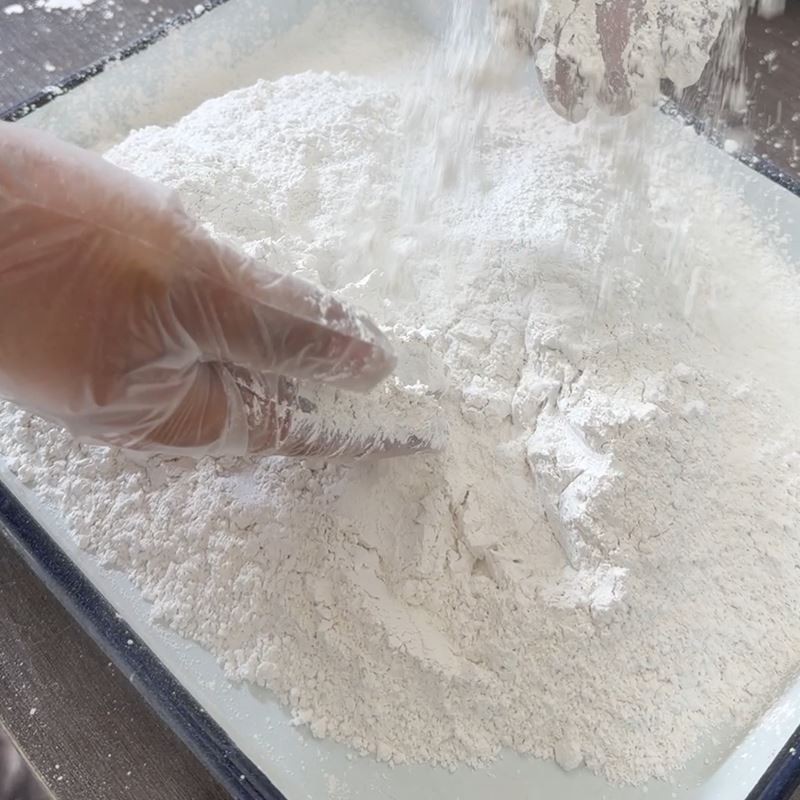
This decomposition reaction is important in the production of quicklime. By heating powdered hydrated lime, we can get back to the starting material, calcium oxide, which can then be used again to make more powdered hydrated lime or for other applications.
Applications Based on Chemical Properties
Water Treatment
As I mentioned earlier, the alkalinity and solubility of powdered hydrated lime make it great for water treatment. It can be used to adjust the pH of water, remove heavy metals, and clarify water. In water treatment plants, it's added to the water to raise the pH and make it less corrosive. It also helps in the precipitation of impurities, making the water cleaner and safer to drink.
Construction
In the construction industry, powdered hydrated lime is used in mortar and plaster. Its alkalinity helps in the setting and hardening process. It also improves the workability and durability of the mortar. When mixed with sand and water, it forms a paste that can be used to bond bricks and stones together.
Agriculture
Powdered hydrated lime is used in agriculture to adjust the pH of soil. Many plants prefer a slightly alkaline soil, and adding powdered hydrated lime can help achieve that. It also provides calcium to the soil, which is essential for plant growth.
Dentistry
Powdered hydrated lime has some interesting applications in dentistry too. You can check out more about Calcium Hydroxide Powder In Dentistry and Calcium Hydroxide Powder Dental. It's used in root canal treatments and as a dental cement. Its antibacterial properties and ability to promote the formation of dentin make it a valuable material in the dental field.
Why Choose Our Powdered Hydrated Lime
As a supplier of Powdered Hydrated Lime, I can tell you that our product is of the highest quality. We use state - of - the - art manufacturing processes to ensure that our powdered hydrated lime has consistent chemical properties. Whether you're in the water treatment, construction, agriculture, or dental industry, our product will meet your needs.
If you're interested in purchasing powdered hydrated lime for your business, I'd love to have a chat with you. We can discuss your specific requirements and how our product can benefit your operations. Don't hesitate to reach out for a quote or to start a conversation about your project.
References
- Chemistry textbooks on inorganic chemistry
- Industry reports on the use of powdered hydrated lime in different sectors
So, that's a wrap on the chemical properties of powdered hydrated lime. I hope you found this blog informative. If you have any questions or want to learn more, feel free to drop a comment or get in touch. Looking forward to hearing from you!