How to use Composite Alkali Powder in the production of detergents for hard - water areas?
Hard water is a common issue in many regions around the world. It contains high levels of minerals, mainly calcium and magnesium ions, which can cause problems in detergent performance. These minerals react with soap or detergent molecules, forming insoluble precipitates that reduce the cleaning power of the detergent and can leave residue on clothes, dishes, and other surfaces. Composite Alkali Powder can be a game - changer in formulating effective detergents for hard - water areas. As a Composite Alkali Powder supplier, I'd like to share some insights on how to use it in detergent production.
Understanding Composite Alkali Powder
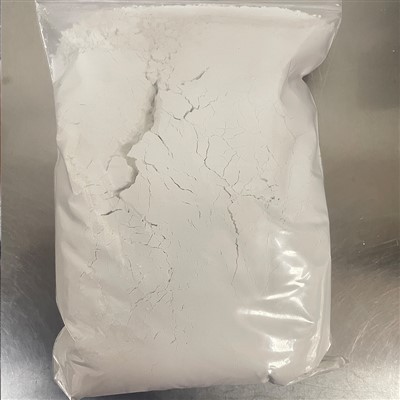
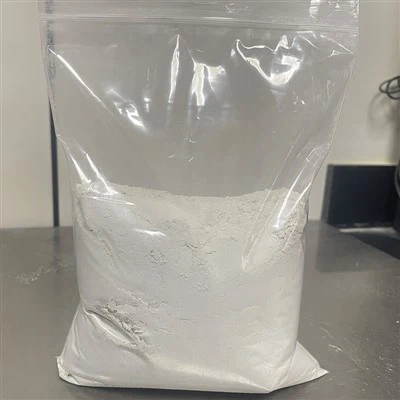
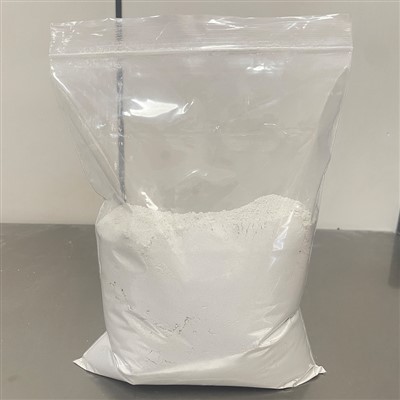
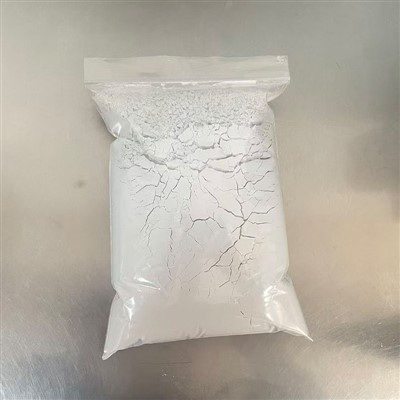
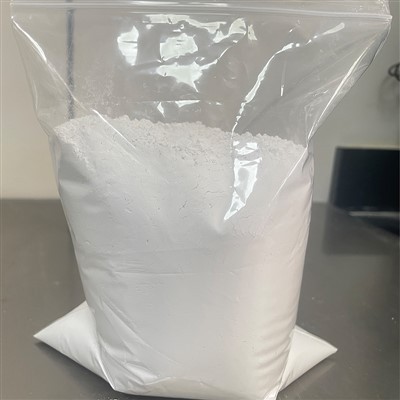
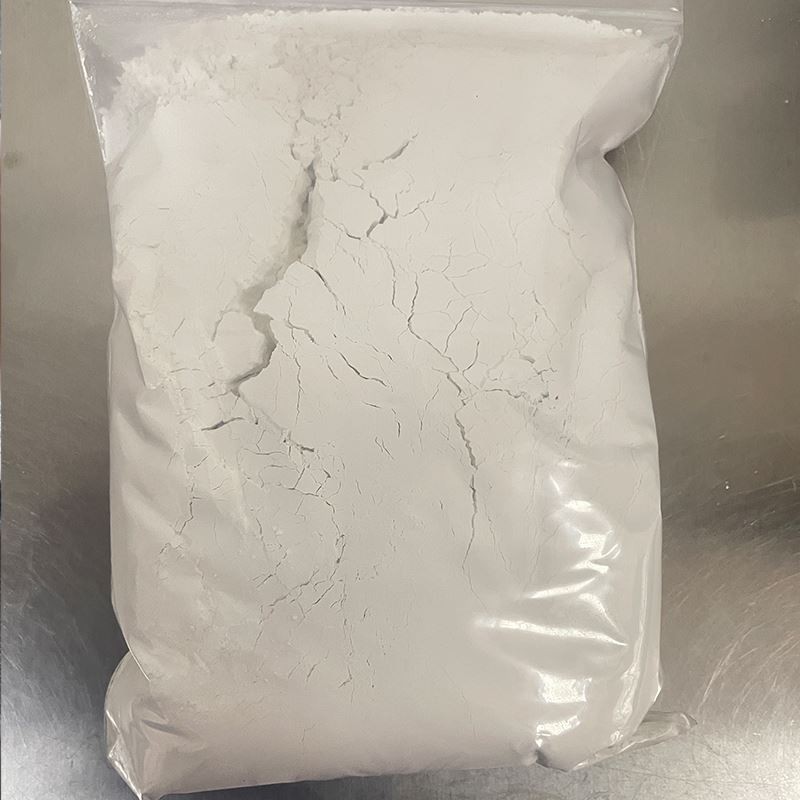
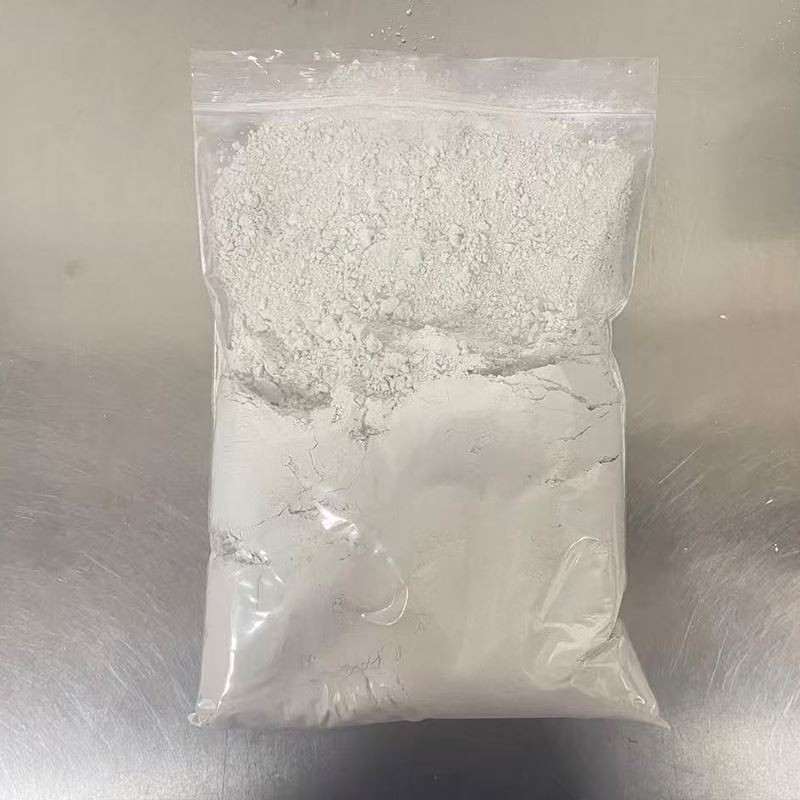
Composite Alkali Powder is a blend of various alkaline substances designed to enhance the cleaning ability of detergents. It can be a combination of sodium carbonate, sodium hydroxide, and other alkaline salts. The specific composition may vary depending on the intended application and the manufacturer. You can learn more about Composite Alkali Powder on our website.
One of the key functions of Composite Alkali Powder is to soften water. When added to a detergent formulation, it reacts with the calcium and magnesium ions in hard water, forming insoluble salts that can be easily removed during the washing process. This not only improves the cleaning efficiency but also reduces the formation of soap scum and scale.
Benefits of Using Composite Alkali Powder in Hard - Water Detergents
- Enhanced Cleaning Power: By softening the water, Composite Alkali Powder allows detergents to work more effectively. It helps to break down dirt, grease, and stains, resulting in cleaner clothes and surfaces.
- Reduced Residue: The insoluble salts formed by the reaction between the powder and hard - water minerals are easily rinsed away, preventing the build - up of residue on clothes and in washing machines.
- Cost - Effectiveness: Using Composite Alkali Powder can reduce the amount of other expensive detergent ingredients needed, as it enhances the overall performance of the detergent.
- Environmental Friendliness: Some formulations of Composite Alkali Powder are biodegradable, making them a more sustainable choice for detergent production.
Steps to Incorporate Composite Alkali Powder in Detergent Production
- Formulation Design
- Determine the appropriate concentration of Composite Alkali Powder based on the hardness of the water in the target area. In areas with extremely hard water, a higher concentration may be required.
- Consider the other ingredients in the detergent formulation. Composite Alkali Powder should be compatible with surfactants, enzymes, and other additives. For example, it should not react negatively with enzymes, which are often used to break down protein - based stains.
- Mixing Process
- Start by adding the Composite Alkali Powder to a small amount of water to form a slurry. This helps to ensure uniform dispersion in the detergent mixture.
- Gradually add the slurry to the main detergent batch while stirring continuously. Make sure the powder is fully dissolved and evenly distributed throughout the mixture.
- Quality Control
- Test the pH of the detergent after adding the Composite Alkali Powder. The pH should be within the optimal range for the detergent's performance and safety.
- Conduct cleaning tests using samples of the formulated detergent in hard - water conditions. Evaluate the cleaning effectiveness, residue formation, and any other relevant factors.
Different Types of Composite Alkali Powder for Detergent Production
There are different types of Composite Alkali Powder available, such as Industrial Composite Alkali Powder and Mixed Alkali Powder. Each type has its own characteristics and is suitable for different detergent applications.
Industrial Composite Alkali Powder is often used in large - scale detergent production. It is formulated to provide high - performance cleaning in industrial settings, where the water hardness can be particularly high. It is designed to be cost - effective and efficient in large - volume production.
Mixed Alkali Powder, on the other hand, may have a more customized composition. It can be tailored to specific detergent requirements, such as the type of stains to be removed or the desired pH of the detergent.
Tips for Using Composite Alkali Powder Effectively
- Storage: Store Composite Alkali Powder in a dry and cool place. Moisture can cause the powder to clump, which may affect its performance.
- Safety Precautions: Wear appropriate protective equipment, such as gloves and goggles, when handling Composite Alkali Powder. It is an alkaline substance and can cause skin and eye irritation.
- Dosage Control: Follow the recommended dosage guidelines. Using too much Composite Alkali Powder can lead to excessive alkalinity, which may damage fabrics or surfaces.
Conclusion
Composite Alkali Powder is a valuable ingredient in the production of detergents for hard - water areas. It offers numerous benefits, including enhanced cleaning power, reduced residue, and cost - effectiveness. By understanding how to properly incorporate it into detergent formulations, manufacturers can produce high - quality detergents that perform well in hard - water conditions.
If you are interested in purchasing Composite Alkali Powder for your detergent production, we are here to assist you. Our team of experts can provide you with detailed information about our products and help you choose the most suitable type for your needs. Contact us to start a discussion about your requirements and explore the possibilities of using our Composite Alkali Powder in your detergent formulations.
References
- Smith, J. (2018). "Advances in Detergent Formulation for Hard - Water Areas". Journal of Cleaning Science, 15(2), 34 - 45.
- Johnson, A. (2019). "The Role of Alkaline Additives in Detergent Performance". International Journal of Detergent Technology, 22(3), 67 - 78.