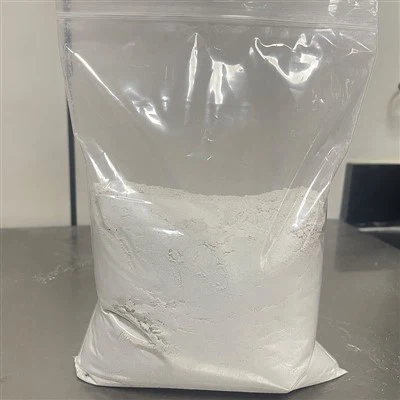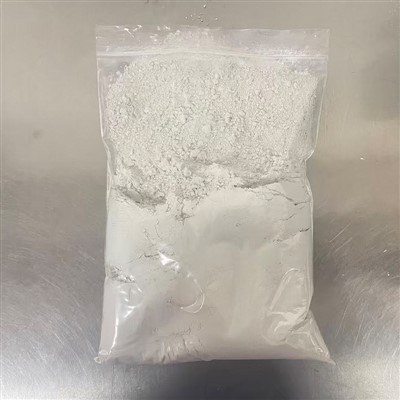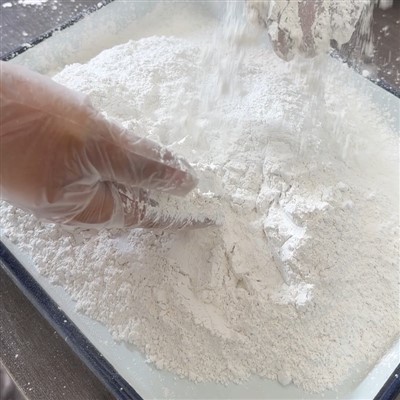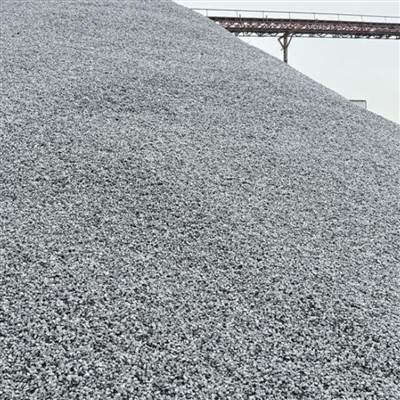
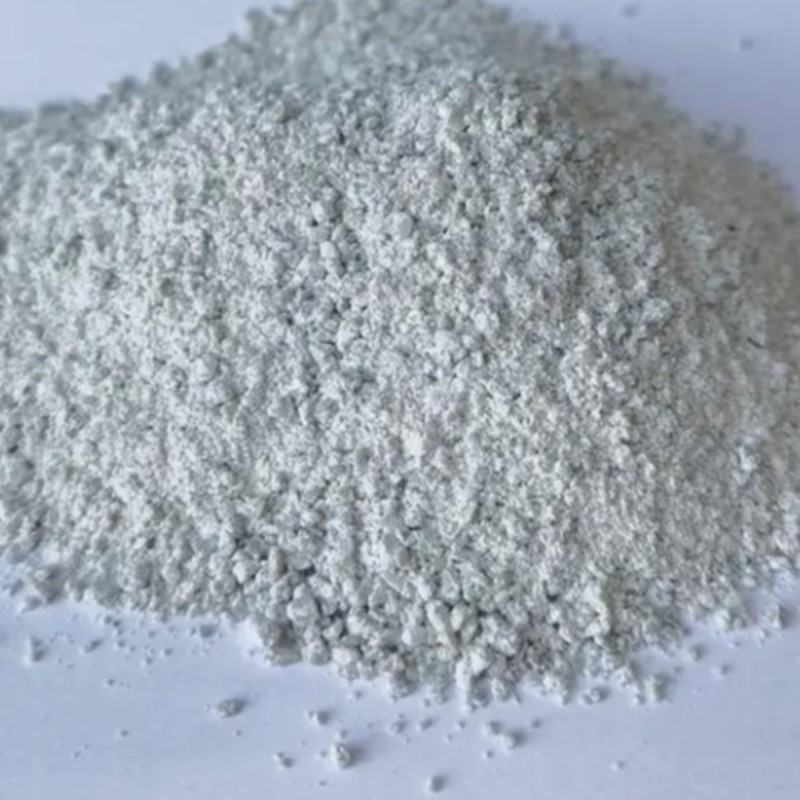
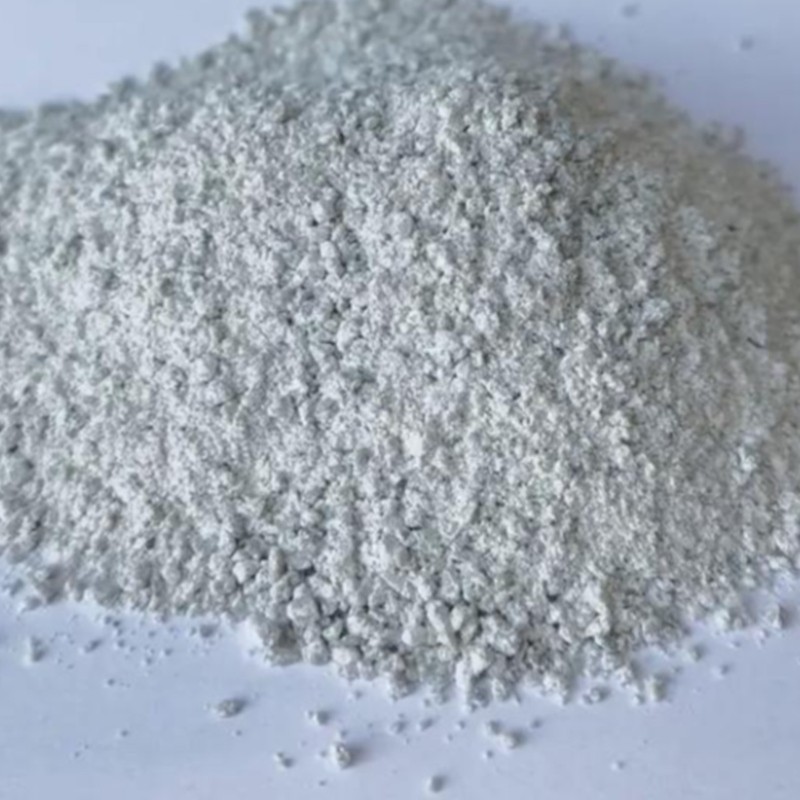
Dolomite powder, a versatile and widely used mineral product, has long been a cornerstone in various industries. As a trusted dolomite powder supplier, I am often asked about the chemical reactions of dolomite powder, especially its interaction with acids. In this blog, we will delve into the fascinating world of how dolomite powder reacts with acids, exploring the underlying chemistry, practical applications, and implications for different sectors.
Chemical Composition of Dolomite Powder
Before we discuss the reaction with acids, it's essential to understand the chemical composition of dolomite powder. Dolomite is a carbonate mineral with the chemical formula CaMg(CO₃)₂. It consists of calcium carbonate (CaCO₃) and magnesium carbonate (MgCO₃) in a 1:1 ratio. When dolomite is ground into a fine powder, it becomes a valuable raw material for many industrial processes.
Reaction Mechanism with Acids
The reaction of dolomite powder with acids is a classic example of an acid - base reaction. Acids are substances that donate protons (H⁺ ions), while carbonates like dolomite can accept these protons. The general reaction of a carbonate with an acid can be represented as follows:
[MCO_3 + 2H^+\rightarrow M^{2 +}+H_2O + CO_2\uparrow]
where (M) represents a metal ion (in the case of dolomite, (M) is a combination of (Ca^{2+}) and (Mg^{2+})).
When dolomite powder reacts with an acid, such as hydrochloric acid (HCl), the following reactions occur:
-
Reaction with calcium carbonate component:
[CaCO_3+2HCl\rightarrow CaCl_2 + H_2O+CO_2\uparrow] -
Reaction with magnesium carbonate component:
[MgCO_3 + 2HCl\rightarrow MgCl_2+H_2O + CO_2\uparrow]
The overall reaction of dolomite ((CaMg(CO_3)_2)) with hydrochloric acid can be written as:
[CaMg(CO_3)_2+4HCl\rightarrow CaCl_2+MgCl_2 + 2H_2O+2CO_2\uparrow]
This reaction is exothermic, meaning it releases heat. The carbon dioxide gas produced during the reaction causes effervescence, which is a visible sign of the chemical reaction taking place.
Factors Affecting the Reaction
Several factors can influence the rate and extent of the reaction between dolomite powder and acids:
-
Particle size: Finer dolomite powder has a larger surface area, which allows for more contact with the acid molecules. As a result, the reaction rate is faster compared to coarser powder. Our Micronized Dolomite Powder is specifically designed to have a very small particle size, which enhances its reactivity with acids.
-
Acid concentration: Higher acid concentrations generally lead to a faster reaction rate. However, extremely high concentrations may also cause side reactions or pose safety risks.
-
Temperature: Increasing the temperature can accelerate the reaction rate. This is because higher temperatures provide more energy to the reactant molecules, allowing them to collide more frequently and with greater energy.
-
Purity of dolomite: Impurities in dolomite powder can affect the reaction. For example, if the dolomite contains other minerals or contaminants, they may react differently with the acid or interfere with the reaction of the carbonate components. Our White Dolomite Powder is known for its high purity, which ensures consistent and predictable reactions with acids.
Practical Applications
The reaction of dolomite powder with acids has numerous practical applications in various industries:
-
Agriculture: Dolomite powder is often used as a soil conditioner. When it reacts with soil acids, it helps to neutralize the acidity and provide essential nutrients such as calcium and magnesium to the plants. This improves soil fertility and promotes healthy plant growth.
-
Water treatment: In water treatment processes, dolomite powder can be used to adjust the pH of water. By reacting with acidic water, it can raise the pH and make the water more suitable for various applications, such as drinking water supply or industrial processes.
-
Construction: Dolomite powder is used in the production of cement and concrete. When it reacts with acids in the environment, it can help to improve the durability and resistance of these construction materials. Our Dolomite Marble Powder is a high - quality product that is widely used in the construction industry.
-
Chemical industry: The reaction of dolomite powder with acids can be used to produce various chemical products. For example, the reaction with sulfuric acid can be used to produce calcium sulfate and magnesium sulfate, which are important industrial chemicals.
Implications for Different Sectors
The reaction of dolomite powder with acids has significant implications for different sectors:
-
Environmental implications: In the context of environmental protection, the ability of dolomite powder to neutralize acids can be used to remediate acid - contaminated soils and water. This helps to reduce the environmental impact of acid pollution.
-
Economic implications: The wide range of applications of dolomite powder in different industries makes it a valuable commodity. The reaction with acids is an important aspect of its utilization, which can contribute to the economic development of the industries that rely on it.
-
Safety implications: When handling dolomite powder and acids, safety precautions must be taken. The reaction can produce carbon dioxide gas, which can displace oxygen in confined spaces. Additionally, acids are corrosive substances, and proper protective equipment should be worn to prevent skin and eye contact.
Conclusion
In conclusion, the reaction of dolomite powder with acids is a complex and important chemical process with numerous practical applications. As a dolomite powder supplier, we understand the significance of this reaction and strive to provide high - quality products that meet the specific needs of our customers. Whether you are in the agriculture, water treatment, construction, or chemical industry, our dolomite powder products can offer reliable solutions.
If you are interested in purchasing dolomite powder for your specific application, we invite you to contact us for a detailed discussion. Our team of experts is ready to assist you in choosing the right product and providing technical support.
References
- Smith, J. (2018). Mineral Chemistry: A Comprehensive Guide. Publisher X.
- Jones, A. (2019). Industrial Applications of Carbonate Minerals. Journal of Industrial Minerals, 25(3), 123 - 135.
- Brown, C. (2020). Acid - Base Reactions in Environmental Remediation. Environmental Science Review, 15(2), 78 - 90.