Hey there! I'm a supplier of limestone powder, and today I want to chat about the impacts of limestone powder on air quality. It's a topic that's super important, not just for environmental reasons but also for the health of all of us breathing the air.
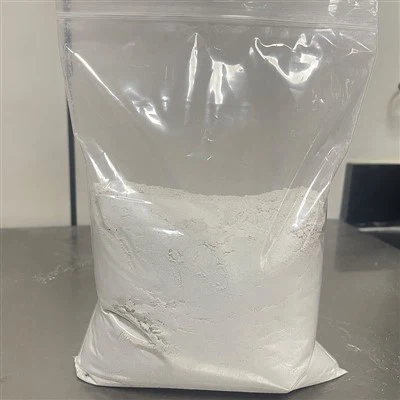
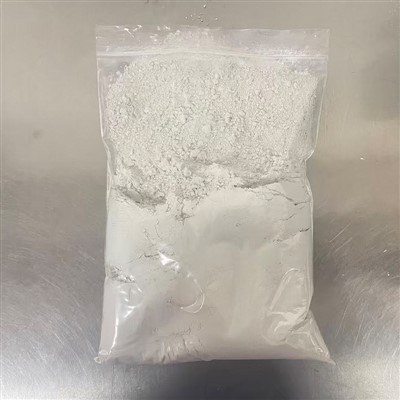
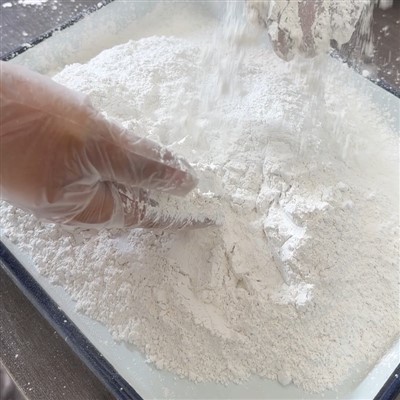
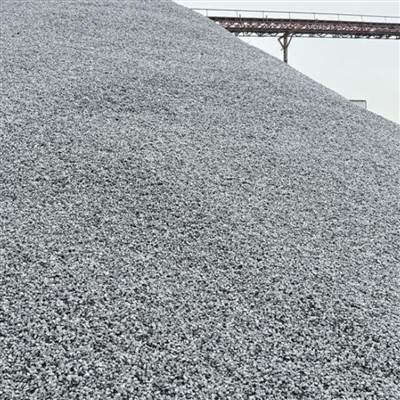
Let's start with the basics. Limestone powder is a versatile material used in a bunch of industries. You can find Limestone Chuna Powder in construction, agriculture, and even in some industrial processes. It's made from crushing and grinding limestone rocks, and it comes in different forms like Micronized Limestone and Natural Limestone Powder.
Positive Impacts on Air Quality
1. Acid Rain Mitigation
One of the major benefits of limestone powder is its ability to neutralize acidic compounds in the air. In power plants and industrial facilities, sulfur dioxide (SO₂) is a common pollutant released during the burning of fossil fuels. When SO₂ combines with water vapor in the atmosphere, it forms sulfuric acid, which is a key component of acid rain.
Limestone powder can be injected into the flue gas streams of these facilities. The calcium carbonate in limestone reacts with the sulfur dioxide to form calcium sulfate, which can be easily removed. This process, known as flue gas desulfurization (FGD), helps to reduce the amount of sulfur dioxide released into the air, thus mitigating the formation of acid rain.
According to a study by the Environmental Protection Agency (EPA), power plants that use FGD systems with limestone powder can reduce sulfur dioxide emissions by up to 90%. This is a huge win for air quality, as acid rain can damage forests, lakes, and buildings, and also harm human health.
2. Particulate Matter Control
Limestone powder can also be used to control particulate matter (PM) emissions. In some industrial processes, such as cement production, large amounts of dust are generated. By adding limestone powder to the process, the dust particles can be captured and removed more effectively.
The limestone powder acts as a sorbent, attracting and binding to the fine dust particles. This helps to reduce the amount of PM in the air, which is beneficial for both the environment and human health. High levels of PM can cause respiratory problems, such as asthma and bronchitis, and can also contribute to heart disease.
Negative Impacts on Air Quality
1. Dust Emissions during Production
The production of limestone powder involves crushing and grinding limestone rocks, which can generate a significant amount of dust. If proper dust control measures are not in place, this dust can be released into the air, contributing to poor air quality.
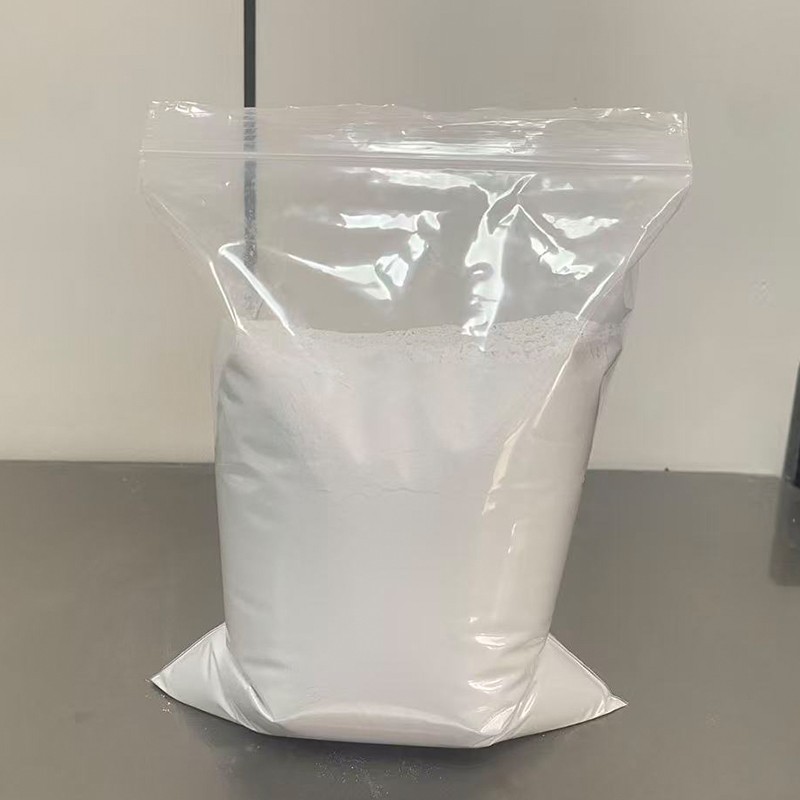
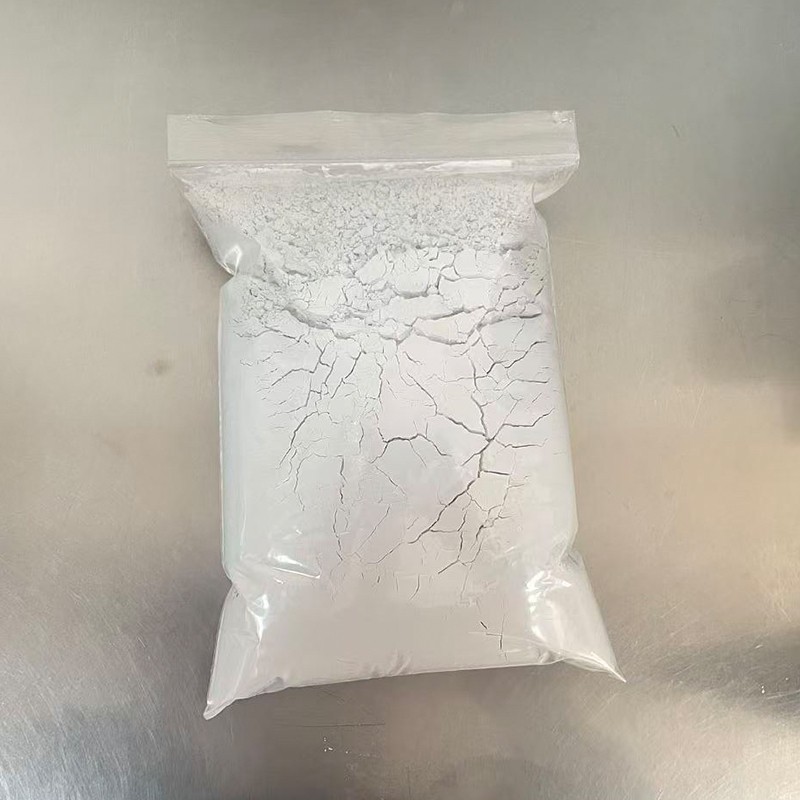
The dust particles from limestone powder production are often fine and can be easily inhaled. Prolonged exposure to these dust particles can cause respiratory problems, especially for workers in the limestone powder industry. To mitigate this issue, companies need to invest in proper dust collection systems, such as baghouses and cyclones, to capture and remove the dust before it is released into the air.
2. Transportation and Handling
Another potential source of air pollution related to limestone powder is during transportation and handling. When limestone powder is transported in trucks or stored in silos, dust can be released into the air if the containers are not properly sealed.
To minimize dust emissions during transportation, trucks should be equipped with covers and proper loading and unloading procedures should be followed. In storage facilities, silos should be designed to prevent dust from escaping, and regular maintenance should be carried out to ensure the integrity of the storage system.
How to Minimize the Negative Impacts
As a limestone powder supplier, I'm committed to minimizing the negative impacts of our products on air quality. We take several steps to ensure that our production and transportation processes are as environmentally friendly as possible.
First, we use state-of-the-art dust collection systems in our production facilities. These systems are designed to capture and remove dust particles before they are released into the air. We also conduct regular maintenance on these systems to ensure that they are operating efficiently.
Second, we work closely with our transportation partners to ensure that proper dust control measures are in place during transportation. Our trucks are equipped with covers, and we follow strict loading and unloading procedures to minimize dust emissions.
Finally, we are constantly researching and developing new technologies to further reduce the environmental impact of our products. For example, we are exploring the use of alternative materials and processes that can reduce the energy consumption and emissions associated with limestone powder production.
Conclusion
In conclusion, limestone powder has both positive and negative impacts on air quality. On the one hand, it can help to mitigate acid rain and control particulate matter emissions. On the other hand, its production and transportation can generate dust emissions that can contribute to poor air quality.
As a supplier, we have a responsibility to minimize the negative impacts of our products on the environment. By implementing proper dust control measures and investing in new technologies, we can ensure that our limestone powder is produced and transported in an environmentally friendly way.
If you're interested in purchasing limestone powder for your business, I'd love to chat with you. Whether you need Limestone Chuna Powder, Micronized Limestone, or Natural Limestone Powder, we can provide you with high-quality products at competitive prices. Just reach out to us, and we'll be happy to discuss your needs and find the best solution for you.
References
- Environmental Protection Agency. (Year). Flue Gas Desulfurization Technology Fact Sheet.
- World Health Organization. (Year). Air Quality Guidelines.