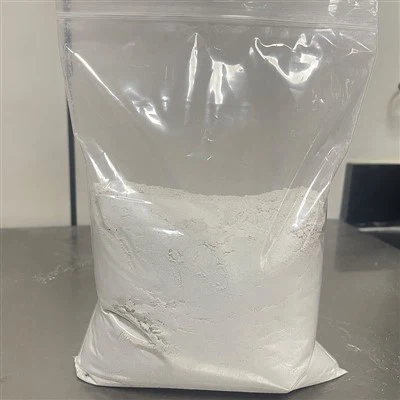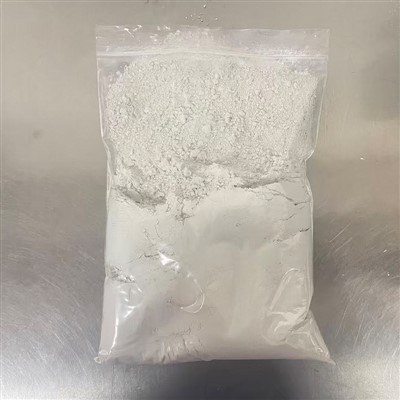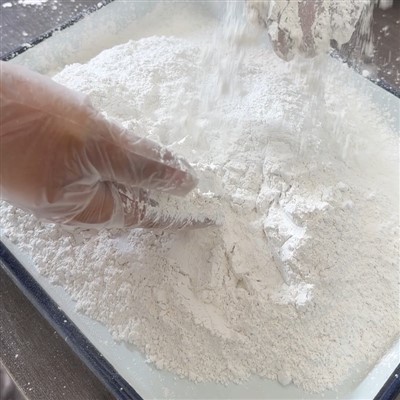
As a supplier of synthetic alkali powder, I've witnessed firsthand the increasing demand for sustainable solutions in the industrial sector. Recycling synthetic alkali powder not only contributes to environmental conservation but also offers significant economic benefits. In this blog, I'll explore various recycling methods for synthetic alkali powder, shedding light on their processes, advantages, and applications.
1. Chemical Regeneration
Chemical regeneration is a common method for recycling synthetic alkali powder. This process involves treating the used alkali powder with specific chemicals to restore its original chemical properties. For instance, when synthetic alkali powder is used in certain industrial processes, it may react with acidic substances and form salts. By adding appropriate reagents, these salts can be decomposed, and the alkali powder can be regenerated.
One of the key steps in chemical regeneration is the separation of impurities. After the chemical treatment, the mixture often contains various impurities such as metal ions, organic compounds, and insoluble particles. Filtration, sedimentation, and ion - exchange techniques are commonly used to remove these impurities. Once the impurities are removed, the regenerated alkali powder can be reused in the same or similar industrial processes.
The advantage of chemical regeneration is that it can effectively restore the performance of the synthetic alkali powder. However, it requires a good understanding of the chemical reactions involved and the use of appropriate chemicals. This method is particularly suitable for large - scale industrial applications where a significant amount of alkali powder needs to be recycled.
2. Physical Separation
Physical separation methods are also widely used for recycling synthetic alkali powder. These methods rely on the physical properties of the powder, such as particle size, density, and magnetic properties, to separate the used alkali powder from other substances.
Screening
Screening is a simple and effective physical separation method. By using screens with different mesh sizes, the used alkali powder can be separated based on particle size. This method is useful for removing large - sized impurities or for classifying the powder into different particle size fractions. For example, if the used alkali powder contains some large - sized agglomerates, screening can separate these agglomerates from the fine powder, allowing the fine powder to be recycled.
Density Separation
Density separation is another important physical separation method. Different substances have different densities, and by using appropriate density - based separation techniques, the synthetic alkali powder can be separated from other substances. For instance, in a liquid medium, substances with different densities will settle at different rates. By carefully controlling the settling time and conditions, the alkali powder can be separated from other substances with different densities.
Magnetic Separation
If the synthetic alkali powder contains magnetic impurities, magnetic separation can be used to remove these impurities. A magnetic field is applied to the powder mixture, and the magnetic impurities are attracted to the magnet, leaving the non - magnetic alkali powder behind. This method is highly efficient for removing magnetic contaminants from the alkali powder.
Physical separation methods are relatively simple and cost - effective. They do not involve complex chemical reactions and can be easily implemented in industrial settings. However, they may not be able to remove all types of impurities, and in some cases, they may need to be combined with other recycling methods.
3. Thermal Treatment
Thermal treatment is a powerful method for recycling synthetic alkali powder. This method involves heating the used alkali powder to a high temperature to decompose impurities and restore its chemical properties.
During thermal treatment, the organic impurities in the used alkali powder are burned off, and the inorganic salts may undergo decomposition or phase changes. For example, some metal salts may decompose into metal oxides at high temperatures. After the thermal treatment, the alkali powder is cooled and can be further processed to remove any remaining impurities.
Thermal treatment has several advantages. It can effectively remove organic impurities and some inorganic contaminants. It also has the potential to convert some waste materials into useful products. However, thermal treatment requires a significant amount of energy, and it may produce some pollutants during the heating process. Therefore, proper environmental protection measures need to be taken when using this method.
4. Applications of Recycled Synthetic Alkali Powder
Recycled synthetic alkali powder has a wide range of applications in various industries.
In the Chemical Industry
Recycled alkali powder can be used as a raw material in the production of various chemicals. For example, it can be used in the synthesis of detergents, where it acts as a pH regulator and a cleaning agent. It can also be used in the production of glass, ceramics, and other inorganic materials. The Industrial Composite Alkali Powder produced from recycled synthetic alkali powder can meet the quality requirements of many chemical processes.
In the Water Treatment Industry
Synthetic alkali powder is often used in water treatment to adjust the pH of water and to remove heavy metals and other contaminants. Recycled alkali powder can be used in this application as well. It can help to neutralize acidic water and precipitate heavy metals, making the water safer for human use and environmental discharge. The Alkali Composite Powder made from recycled materials can be an effective and cost - efficient solution for water treatment.
In the Metal Industry
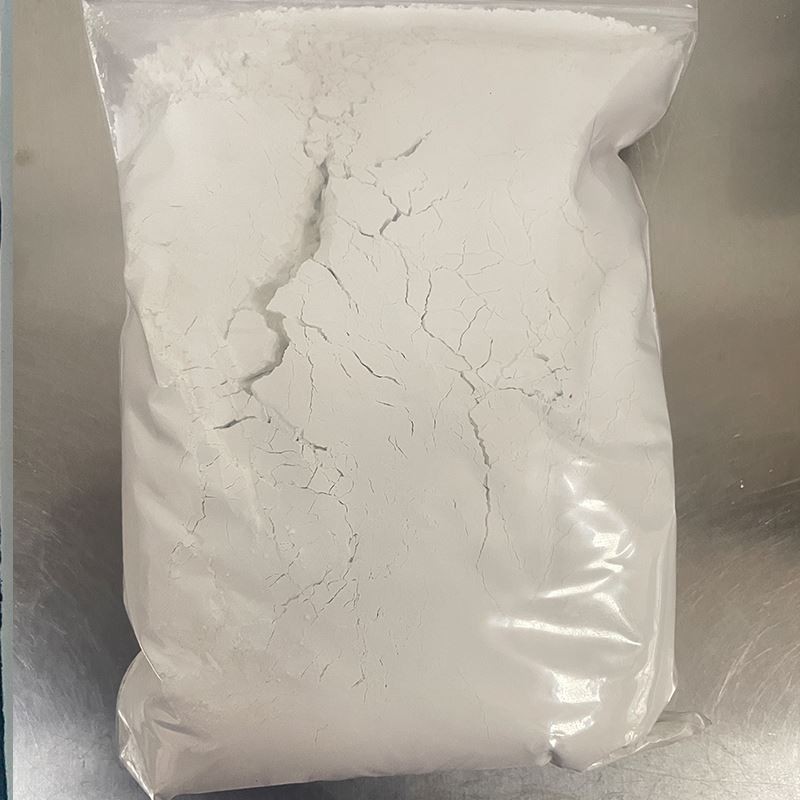
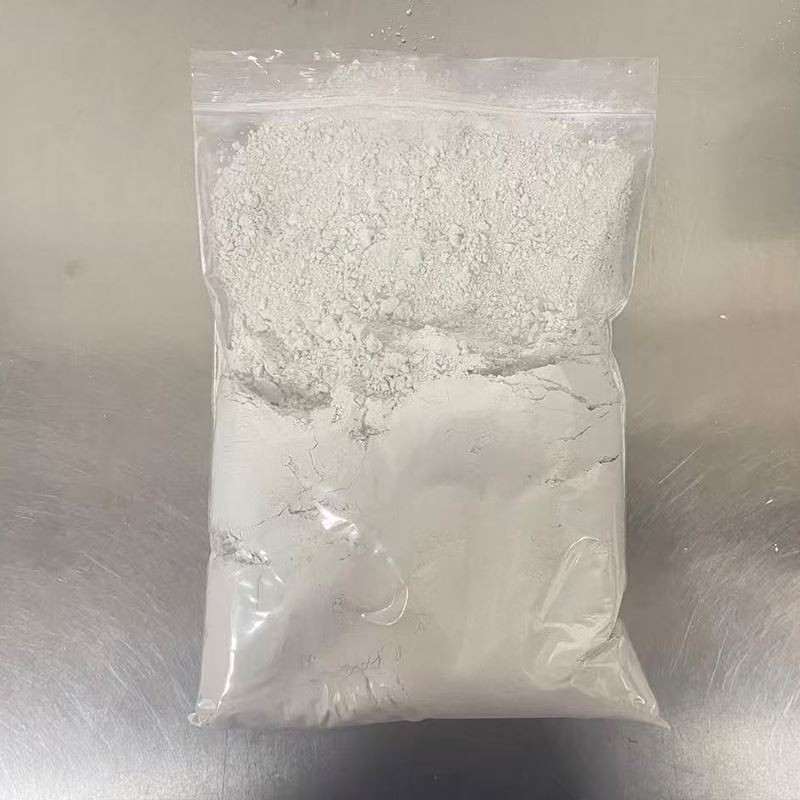
In the metal industry, synthetic alkali powder can be used in metal surface treatment and electroplating processes. Recycled alkali powder can be used to replace the fresh alkali powder in these processes, reducing the cost and environmental impact. The Mixed Alkali Powder recycled from waste materials can be a suitable option for metal - related applications.
5. Contact for Purchase and Discussion
If you are interested in our synthetic alkali powder or want to discuss the recycling methods and applications in more detail, please feel free to contact us. We are committed to providing high - quality products and professional services to meet your needs. Whether you are looking for a reliable supplier of synthetic alkali powder or want to explore sustainable recycling solutions, we are here to help.
References
- Smith, J. (2018). Recycling of Industrial Chemicals. Elsevier.
- Johnson, A. (2019). Advances in Chemical Separation Techniques. Wiley.
- Brown, C. (2020). Thermal Treatment of Industrial Wastes. Springer.