Can dry lime powder be used in chemical semiconductor production? That's a question I often get asked as a supplier of Dry Lime Powder Chemical. In this blog, I'll share my insights on this topic, based on my experience in the chemical industry.
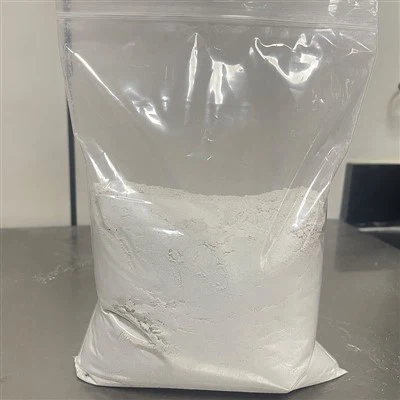
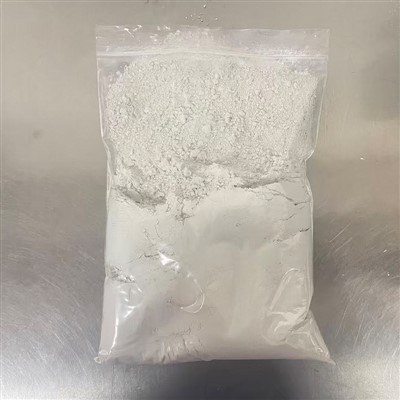
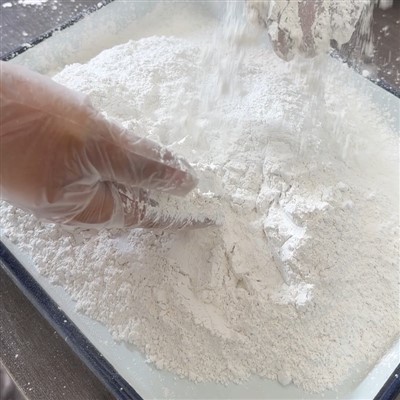
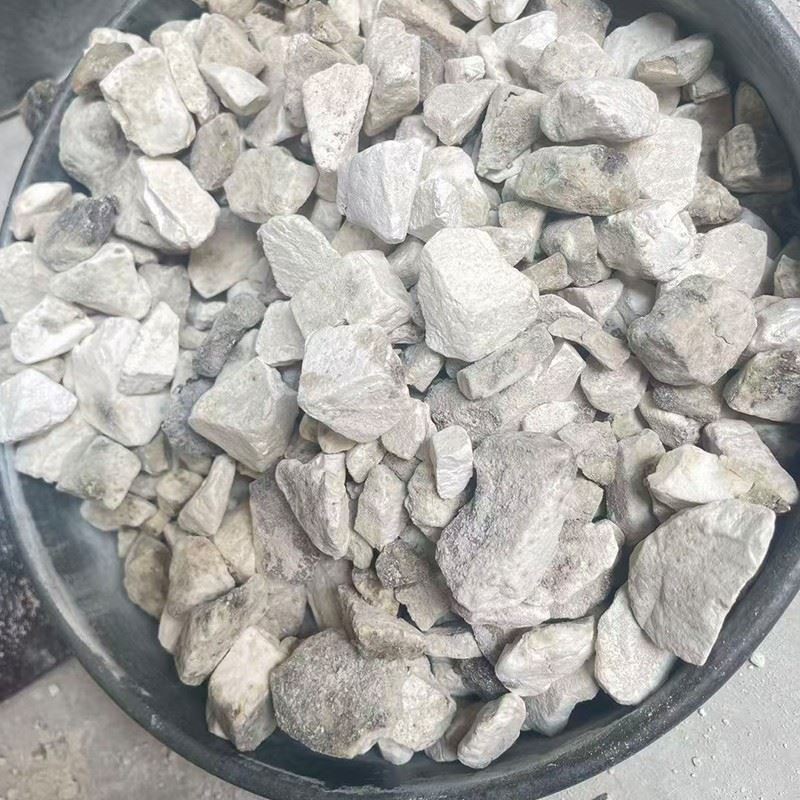
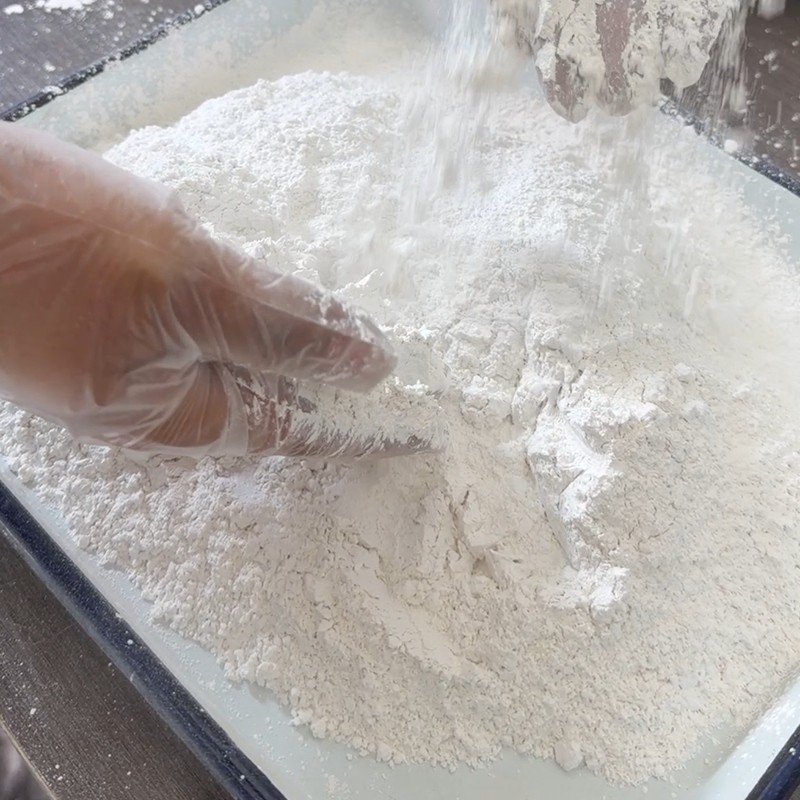
First off, let's talk about what dry lime powder is. Dry lime powder, also known as calcium oxide (CaO), is a white, caustic, alkaline crystalline solid. It's produced by heating limestone (calcium carbonate, CaCO₃) in a kiln at high temperatures, a process called calcination. There are different types of lime powder, like Builders Lime Powder and Calcined Lime Powder, each with its own unique properties and uses.
Now, onto the semiconductor industry. Semiconductors are the heart of modern electronics. They're used in everything from smartphones and computers to cars and medical devices. The production of semiconductors is a highly complex and precise process that requires extremely pure materials and strict control over environmental conditions.
So, can dry lime powder find a place in this high - tech world? Well, it's a bit of a mixed bag.
Potential Uses of Dry Lime Powder in Semiconductor Production
One of the potential uses of dry lime powder in semiconductor production is in waste treatment. Semiconductor manufacturing generates a lot of chemical waste, including acidic and heavy - metal - containing effluents. Dry lime powder can be used as a neutralizing agent. When added to acidic waste, it reacts with the acid to form salts and water, effectively raising the pH of the waste stream. This process, known as neutralization, is crucial for making the waste safe for further treatment or disposal.
For example, if a semiconductor plant is producing waste with a high concentration of hydrochloric acid (HCl), adding dry lime powder (CaO) will result in the following reaction:
CaO + 2HCl → CaCl₂+ H₂O
The calcium chloride (CaCl₂) formed is a relatively harmless salt, and the water can be further treated to remove any remaining contaminants.
Another area where dry lime powder might be useful is in air pollution control. Semiconductor manufacturing processes often involve the use of volatile organic compounds (VOCs) and other pollutants. Lime powder can be used in scrubbers to remove acidic gases such as sulfur dioxide (SO₂) and hydrogen fluoride (HF) from the exhaust air. The lime reacts with these acidic gases to form solid salts, which can then be removed from the air stream.
Challenges of Using Dry Lime Powder in Semiconductor Production
However, there are also some significant challenges when it comes to using dry lime powder in semiconductor production.
One of the main issues is purity. Semiconductor manufacturing requires materials with extremely high purity levels. Even the slightest trace of impurities in the dry lime powder can have a detrimental effect on the performance of the semiconductors. For instance, metals like iron, copper, and nickel can act as dopants in the semiconductor material, altering its electrical properties and reducing its efficiency.
Another challenge is the handling of dry lime powder. Lime powder is highly caustic and can cause severe skin and eye irritation. In a semiconductor cleanroom environment, where strict contamination control is essential, the risk of lime powder dust spreading and contaminating the production area is a major concern. Special handling procedures and equipment are required to ensure the safe use of dry lime powder.
Quality Control and Purity of Our Dry Lime Powder
As a supplier of Dry Lime Powder Chemical, we understand the importance of purity in the semiconductor industry. We have strict quality control measures in place to ensure that our dry lime powder meets the highest standards.
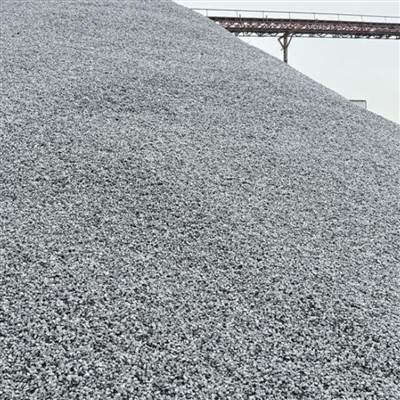
Our production process starts with carefully selected limestone sources. We conduct thorough chemical analyses of the limestone to ensure that it has a low content of impurities. During the calcination process, we use advanced kiln technology to precisely control the temperature and atmosphere, which helps to produce high - purity lime powder.
After production, our lime powder undergoes multiple rounds of purification and testing. We use state - of - the - art analytical equipment to measure the purity of the powder, including atomic absorption spectroscopy (AAS) and inductively coupled plasma mass spectrometry (ICP - MS). Only when the powder meets our strict purity criteria is it packaged and shipped to our customers.
Conclusion
In conclusion, while dry lime powder has some potential uses in semiconductor production, such as waste treatment and air pollution control, there are also significant challenges that need to be addressed, mainly related to purity and handling. As a supplier of Dry Lime Powder Chemical, we're committed to providing high - quality lime powder that can meet the demanding requirements of the semiconductor industry.
If you're in the semiconductor industry and are interested in exploring the use of dry lime powder in your production processes, I'd love to have a chat with you. We can discuss your specific needs and how our products can fit into your operations. Whether you need Builders Lime Powder or Calcined Lime Powder, we've got you covered. Contact us to start a procurement discussion and see how we can work together to achieve your production goals.
References
- "Handbook of Semiconductor Manufacturing Technology" by Yung - Ching Wang
- "Environmental Chemistry" by Stanley E. Manahan