Hey there! As a supplier of synthetic alkali powder, I often get asked about the dissociation constant of this stuff. So, I thought I'd take a moment to break it down for you.
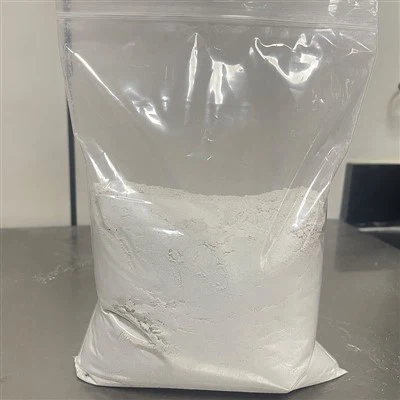
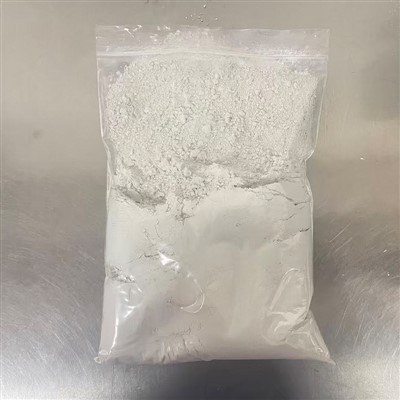
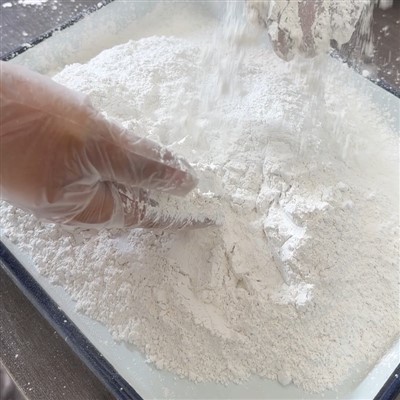
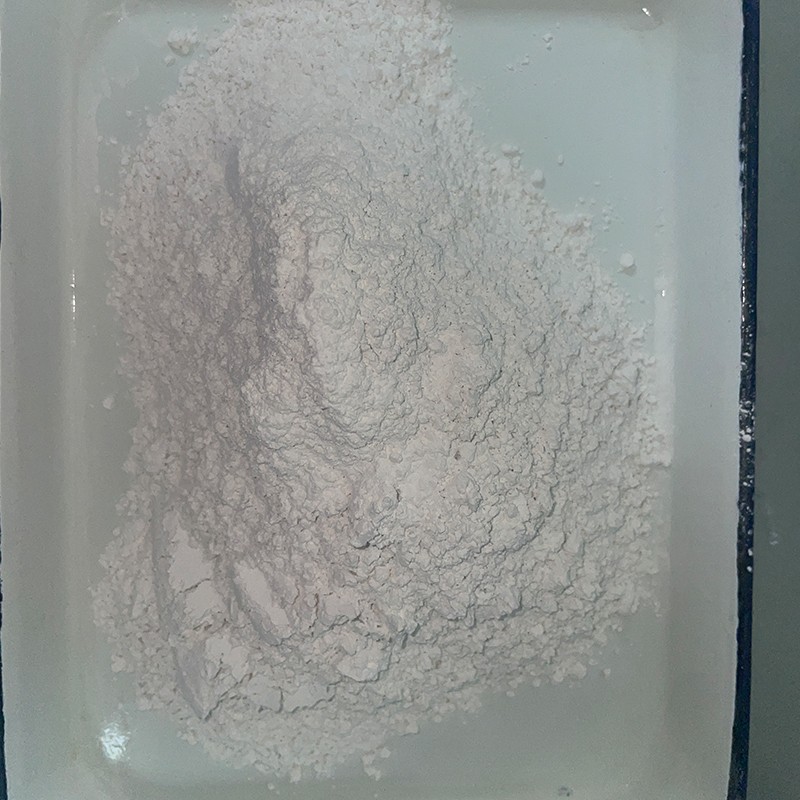
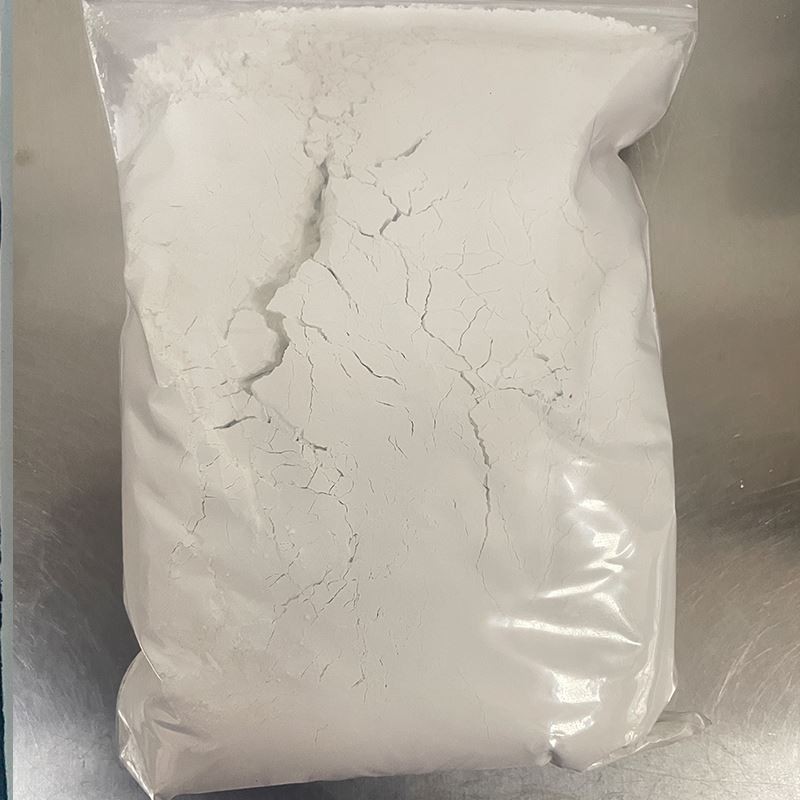
First off, let's talk about what synthetic alkali powder is. It's a group of chemical compounds that have alkaline properties. These powders are used in a wide range of industries, from water treatment to manufacturing. There are different types of synthetic alkali powders out there, like Composite Alkali Powder, Industrial Composite Alkali Powder, and Alkali Composite Powder. Each type has its own unique characteristics and uses.
Now, the dissociation constant. It's a measure of how much a compound will break apart into its ions when it's in a solution. In the case of synthetic alkali powder, we're interested in how it dissociates in water. When an alkali powder dissolves in water, it releases hydroxide ions (OH⁻), which is what gives it its alkaline properties.
The dissociation constant, usually denoted as Kb (for bases), is calculated using the concentrations of the products and reactants in the dissociation reaction. For a general base B in water, the reaction is:
B + H₂O ⇌ BH⁺ + OH⁻
And the dissociation constant Kb is given by the formula:
Kb = [BH⁺][OH⁻] / [B]
where [BH⁺] is the concentration of the conjugate acid, [OH⁻] is the concentration of hydroxide ions, and [B] is the concentration of the undissociated base.
The value of the dissociation constant tells us a lot about the strength of the alkali. A high Kb value means that the base dissociates more readily, releasing more hydroxide ions and making the solution more alkaline. On the other hand, a low Kb value indicates that the base doesn't dissociate as much, resulting in a less alkaline solution.
For synthetic alkali powders, the dissociation constant can vary depending on the specific composition of the powder. Different compounds in the powder will have different dissociation constants, and the overall dissociation behavior of the powder will be a combination of these individual constants.
Let's take an example. Suppose we have a synthetic alkali powder that contains sodium hydroxide (NaOH) and potassium hydroxide (KOH). Both of these are strong bases, which means they dissociate almost completely in water. The dissociation reactions are:
NaOH → Na⁺ + OH⁻
KOH → K⁺ + OH⁻
Since they dissociate so completely, their dissociation constants are very high. In fact, for strong bases like these, we often don't even talk about dissociation constants because the dissociation is considered to be 100%.
However, not all synthetic alkali powders are made up of strong bases. Some may contain weaker bases, like ammonia (NH₃) or certain organic amines. These bases have lower dissociation constants, which means they don't dissociate as much in water.
The dissociation constant is an important factor to consider when using synthetic alkali powder in different applications. For example, in water treatment, the strength of the alkali can affect the pH of the water and the efficiency of the treatment process. If the dissociation constant is too low, the powder may not be able to raise the pH of the water enough to achieve the desired treatment results. On the other hand, if the dissociation constant is too high, it could lead to over - alkalization of the water, which can also cause problems.
In industrial manufacturing, the dissociation constant can impact the reaction rates and the quality of the final product. For instance, in the production of certain chemicals, the alkaline environment created by the synthetic alkali powder needs to be carefully controlled. If the dissociation constant is not right, the reaction may not proceed as expected, or the product may have impurities.
As a supplier, I understand the importance of providing high - quality synthetic alkali powder with the right dissociation characteristics. That's why we carefully formulate our products to ensure that they meet the specific needs of our customers. Whether you're in the water treatment industry, the manufacturing sector, or any other field that uses alkali powders, we can offer you a product that has the appropriate dissociation constant for your application.
If you're interested in learning more about our synthetic alkali powder or have any questions about the dissociation constant, feel free to reach out. We're here to help you find the best solution for your needs. Whether you need a small amount for a research project or a large quantity for industrial use, we've got you covered.
So, if you're in the market for synthetic alkali powder, don't hesitate to contact us. We can provide you with detailed information about our products, including their dissociation constants and how they can be used in your specific application. Let's start a conversation and see how we can work together to meet your requirements.
References:
- Atkins, P. W., & de Paula, J. (2014). Physical Chemistry. Oxford University Press.
- Chang, R. (2010). Chemistry. McGraw - Hill.