Hey there! I'm a supplier of Caoh Powder, and I've been getting a lot of questions lately about whether Caoh Powder can be used in the textile industry. So, I thought I'd dig deep into this topic and share what I've found out.
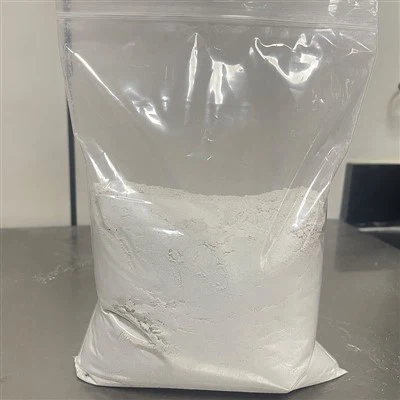
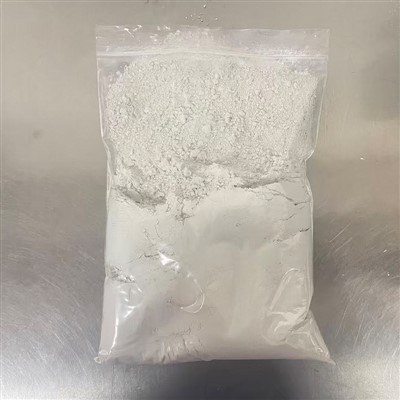
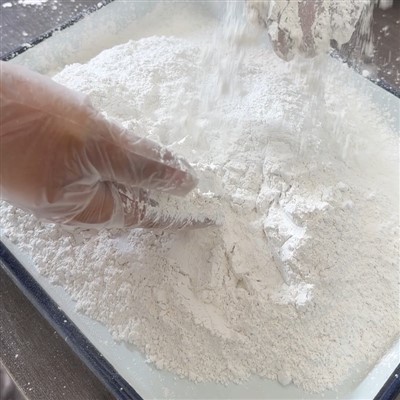
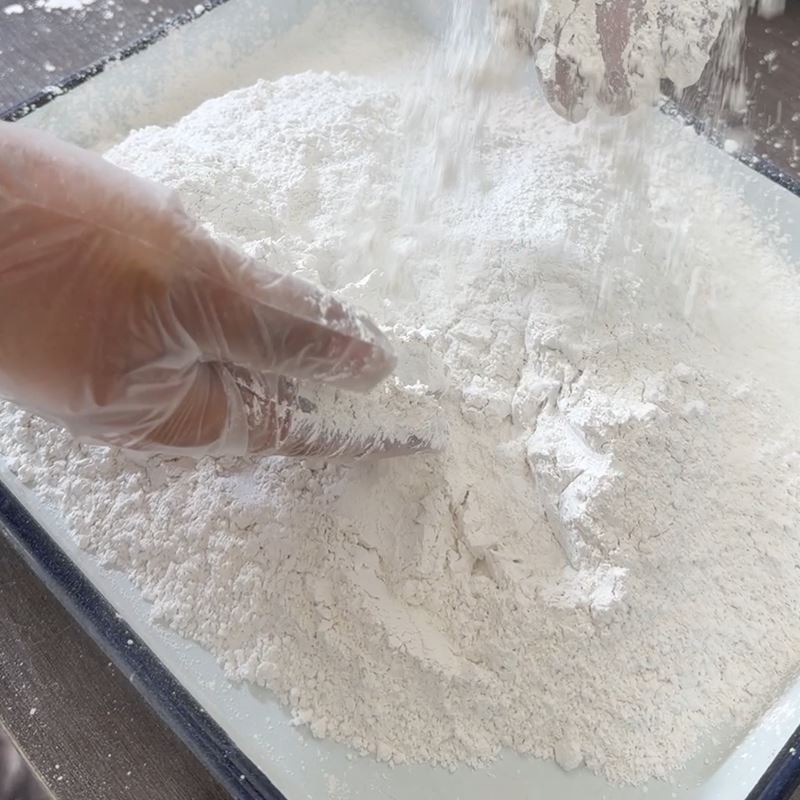
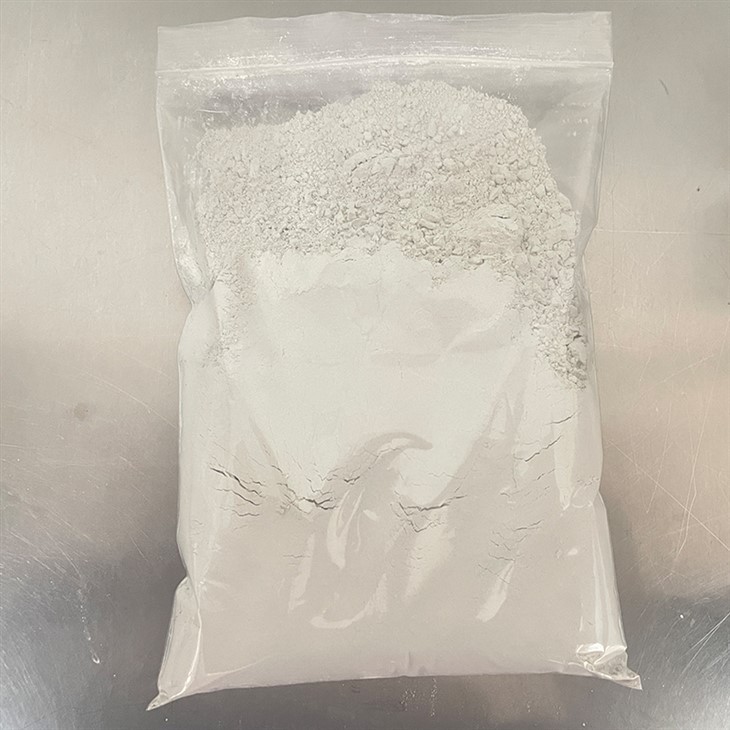
Let's first start with what Caoh Powder actually is. Caoh Powder, also known as Powdered Hydrated Lime, is a white, powdery substance. Chemically, it's calcium hydroxide. You might've seen it being used in other industries - like in Calcium Hydroxide Powder Dental applications for dental treatments - but the focus today is on the textile world.
What the Textile Industry Needs
The textile industry has some unique requirements. Fabrics need to be treated in various ways to enhance their quality, color, and durability. There are processes like dyeing, printing, and finishing. Each of these processes demands specific chemicals and substances to achieve the desired results. For example, in dyeing, you need something that can help the dye adhere well to the fabric, and in finishing, you want substances that can make the fabric feel softer or more resistant to wrinkles.
How Caoh Powder Can Fit In
Dyeing Process
One of the key areas where Caoh Powder can play a role is in the dyeing process. When you're dyeing fabrics, you want to make sure the dye penetrates evenly and stays firmly on the fabric. Caoh Powder can act as a mordant. A mordant is a substance that helps the dye bind to the fabric. It does this by changing the pH of the dye bath. Most dyes work better in a slightly alkaline environment, and Caoh Powder can raise the pH of the water to create just that.
For natural fibers like cotton and silk, Caoh Powder can be a game-changer. Cotton, for instance, is a very porous fiber. The alkaline environment created by Caoh Powder helps to open up the pores of the cotton fibers, allowing the dye to penetrate deeper. This results in more vibrant and long - lasting colors. Silk, on the other hand, has a protein structure. The change in pH can alter the surface charge of the silk fibers, making them more receptive to the dye molecules.
pH Regulation
In addition to its role in dyeing, Caoh Powder is also great for pH regulation in the textile industry. Many textile processes, not just dyeing, are pH - sensitive. For example, in the washing and rinsing stages after dyeing or printing, maintaining the right pH is crucial. If the pH is too high or too low, it can damage the fabric or cause the dye to bleed. Caoh Powder can be easily added to the water to adjust the pH to the optimal level.
Wastewater Treatment
Textile manufacturing produces a lot of wastewater, which is often filled with dyes, chemicals, and other pollutants. Caoh Powder can be used in the wastewater treatment process. It can react with heavy metals and other impurities in the water to form insoluble precipitates. These precipitates can then be easily removed from the water, making it cleaner and safer to discharge. This not only helps the environment but also keeps the textile industry compliant with environmental regulations.
Advantages of Using Caoh Powder in Textiles
Cost - Effective
One of the big advantages of Caoh Powder is its cost - effectiveness. Compared to some other chemicals used in the textile industry, Caoh Powder is relatively inexpensive. This makes it an attractive option for textile manufacturers, especially those on a tight budget. They can achieve good results in their processes without breaking the bank.
Availability
Caoh Powder is widely available. As a supplier, I can attest to the fact that it's easy to source and distribute. This means that textile manufacturers don't have to worry about long lead times or shortages when they need to use Caoh Powder in their operations.
Safety
When handled properly, Caoh Powder is relatively safe. It's not as toxic as some of the other chemicals used in the textile industry. This is important for the health and safety of the workers in the textile factories. They can work with Caoh Powder without having to take extreme safety precautions, as long as they follow the basic guidelines for handling the powder.
Challenges and Considerations
Over - Use
While Caoh Powder has many benefits, there are also some challenges to be aware of. One of the main issues is over - use. If too much Caoh Powder is added to the textile processes, it can cause problems. For example, in the dyeing process, an excessive amount of Caoh Powder can lead to uneven dyeing or damage to the fabric. This is why it's important to carefully measure and control the amount of Caoh Powder used.
Storage
Caoh Powder needs to be stored properly. It can absorb moisture from the air, which can cause it to clump together and lose its effectiveness. Textile manufacturers need to store Caoh Powder in a dry, cool place in sealed containers to ensure its quality.
Conclusion
So, can Caoh Powder be used in the textile industry? The answer is a resounding yes. It has a lot of potential in various textile processes, from dyeing to wastewater treatment. With its cost - effectiveness, availability, and relative safety, it's definitely a substance worth considering for textile manufacturers.
If you're in the textile industry and want to learn more about how Caoh Powder can benefit your operations, or if you're interested in purchasing Caoh Powder for your business, I'd love to have a chat with you. Let's discuss how we can make your textile processes more efficient and cost - effective.
References
- "Textile Chemistry: Fundamentals and Applications" - A comprehensive textbook on the chemical processes involved in the textile industry.
- Research articles from industry - specific journals on the use of alkaline substances in textile manufacturing.