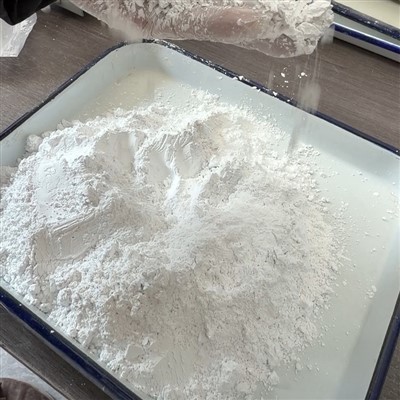
Can natural limestone powder be used in the production of plastic pipes?
As a supplier of Natural Limestone Powder, I've often been asked about the potential uses of our product, especially in the production of plastic pipes. In this blog, I'll explore whether natural limestone powder can be used in plastic pipe manufacturing, the benefits it may bring, and some considerations.
The Composition and Properties of Natural Limestone Powder
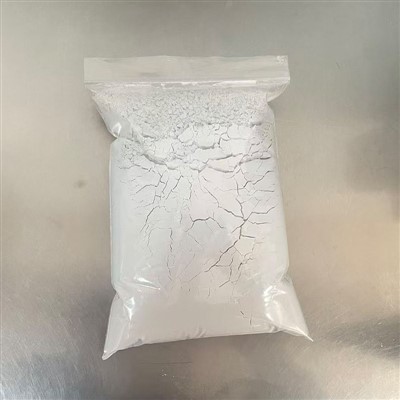
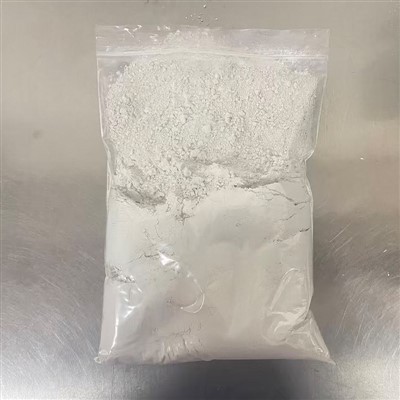
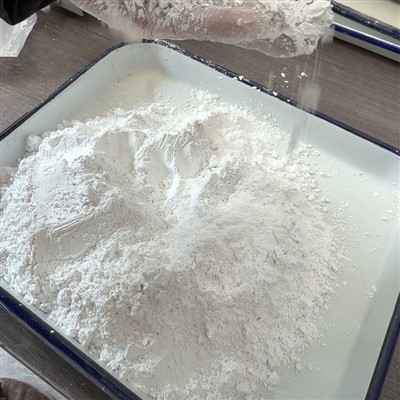
Natural limestone powder is derived from limestone, a sedimentary rock composed mainly of calcium carbonate (CaCO₃). It has several notable properties that make it an interesting candidate for various industrial applications. It is relatively inexpensive, abundant, and has a high whiteness, which can contribute to the aesthetic appearance of the final product.
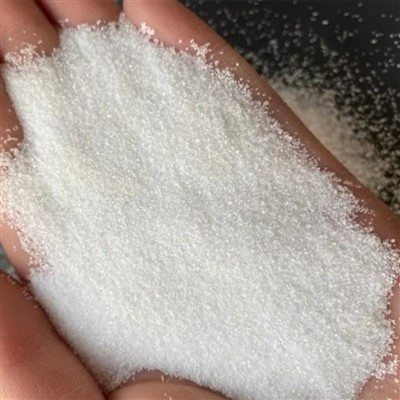
The particle size of natural limestone powder can vary depending on the processing method. Finer powders typically have a larger surface area, which can affect their interaction with other materials. This characteristic is crucial when considering its use in plastic pipe production.
Using Natural Limestone Powder in Plastic Pipe Production
1. Filler Material
One of the primary ways natural limestone powder can be used in plastic pipe manufacturing is as a filler. Fillers are added to plastics to reduce the cost of production while maintaining or improving certain properties of the plastic. When used as a filler in plastic pipes, natural limestone powder can replace a portion of the more expensive polymer resin.
For example, in polyvinyl chloride (PVC) pipes, adding limestone powder can reduce the amount of PVC resin needed. This not only lowers the cost but also can improve some mechanical properties of the pipes. The limestone powder can act as a reinforcement, increasing the stiffness and dimensional stability of the pipes. It can also enhance the impact resistance of the pipes, making them more durable in various applications.
2. Improving Processing Properties
Natural limestone powder can also improve the processing properties of plastic pipes. During the extrusion process, which is commonly used to manufacture plastic pipes, the addition of limestone powder can reduce the melt viscosity of the plastic. This means that the plastic can flow more easily through the extrusion die, resulting in a smoother and more uniform pipe.
Moreover, the presence of limestone powder can help to dissipate heat during the extrusion process. This is important because excessive heat can cause degradation of the plastic, leading to poor quality pipes. By acting as a heat sink, the limestone powder can prevent overheating and ensure the integrity of the plastic pipes.
3. Environmental Benefits
Using natural limestone powder in plastic pipe production can have environmental benefits. Since it is a natural and abundant material, it is a more sustainable alternative to some other fillers or additives. Additionally, by reducing the amount of polymer resin used, it can contribute to a reduction in the overall carbon footprint of the plastic pipe manufacturing process.
Considerations and Challenges
1. Compatibility with Polymers
One of the main challenges in using natural limestone powder in plastic pipe production is ensuring its compatibility with the polymer matrix. Different polymers have different chemical and physical properties, and the limestone powder needs to be properly treated or selected to ensure good adhesion and dispersion within the polymer.
For example, if the surface of the limestone powder is not properly treated, it may not bond well with the polymer, leading to poor mechanical properties of the pipes. Surface treatments such as coating the limestone powder with a coupling agent can improve its compatibility with the polymer.
2. Particle Size and Distribution
The particle size and distribution of the limestone powder can also affect the performance of the plastic pipes. If the particles are too large, they may cause stress concentrations in the pipes, reducing their strength. On the other hand, if the particles are too small, they may agglomerate, leading to uneven dispersion in the polymer.
Therefore, it is important to control the particle size and distribution of the limestone powder during the production process. This can be achieved through proper grinding and classification techniques.
3. Moisture Content
Moisture content in the limestone powder can also be a concern. Excessive moisture can cause problems during the extrusion process, such as foaming or poor adhesion between the powder and the polymer. Therefore, it is necessary to ensure that the limestone powder is properly dried before use.
Case Studies and Research Findings
Several studies have been conducted on the use of natural limestone powder in plastic pipe production. For instance, a research project found that adding a certain amount of limestone powder to PVC pipes improved their flexural strength and modulus. Another study showed that the addition of limestone powder to polyethylene pipes enhanced their impact resistance.
These case studies and research findings provide evidence that natural limestone powder can be a valuable additive in plastic pipe manufacturing. However, further research is still needed to optimize the use of limestone powder in different types of plastic pipes and to fully understand its long - term effects on the performance of the pipes.
Conclusion
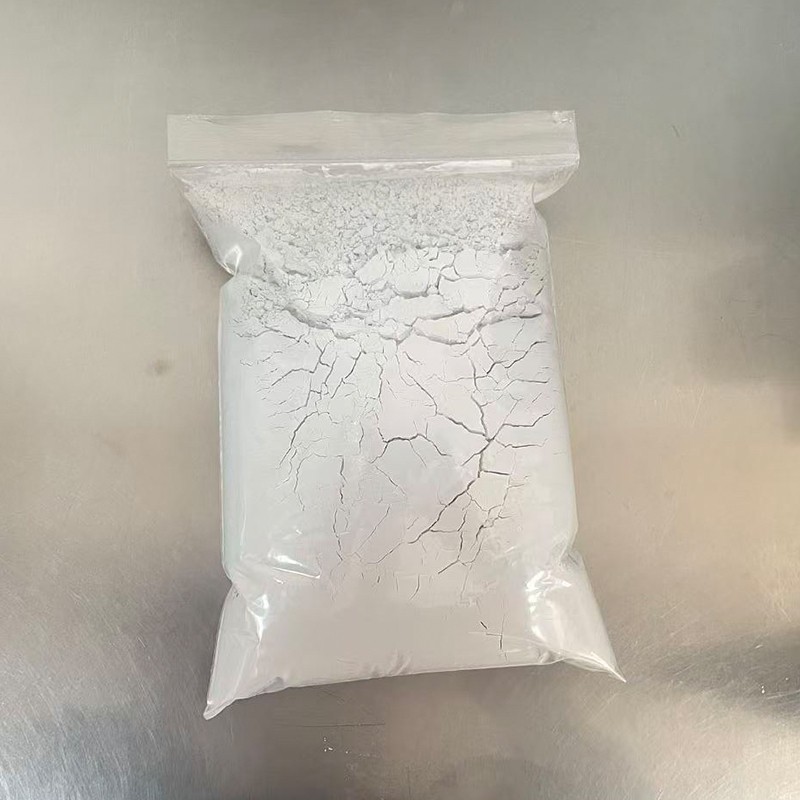
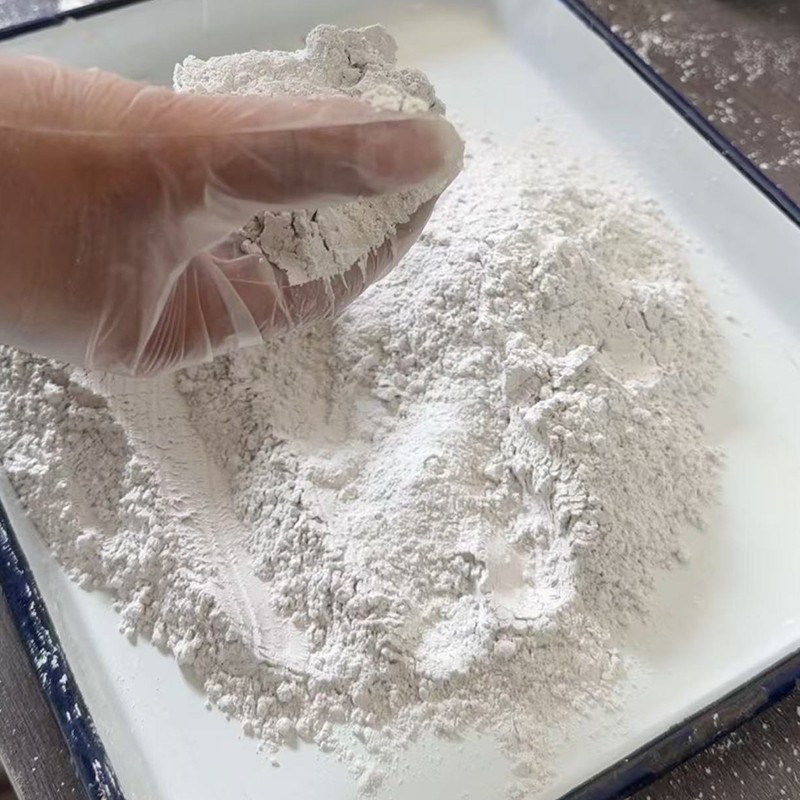
In conclusion, natural limestone powder can indeed be used in the production of plastic pipes. It offers several benefits, including cost reduction, improvement of mechanical properties, and environmental advantages. However, there are also some challenges that need to be addressed, such as compatibility with polymers, particle size control, and moisture management.
As a supplier of Link text: Natural Limestone Powder, we are committed to providing high - quality limestone powder that meets the requirements of the plastic pipe industry. Our limestone powder can be used not only in plastic pipe production but also in other applications such as Link text: Limestone Chuna Powder and Link text: Limestone Powder for Paint.
If you are interested in using our natural limestone powder in your plastic pipe production or other applications, please feel free to contact us for more information and to discuss potential procurement opportunities. We look forward to working with you to achieve mutually beneficial results.
References
- Smith, J. (2020). The use of fillers in plastic pipe manufacturing. Journal of Plastic Engineering, 15(2), 34 - 42.
- Johnson, A. (2019). Impact of natural limestone powder on the mechanical properties of PVC pipes. Polymer Science, 22(3), 56 - 63.
- Brown, C. (2021). Environmental considerations in the use of fillers in plastic production. Green Manufacturing Journal, 8(1), 12 - 20.