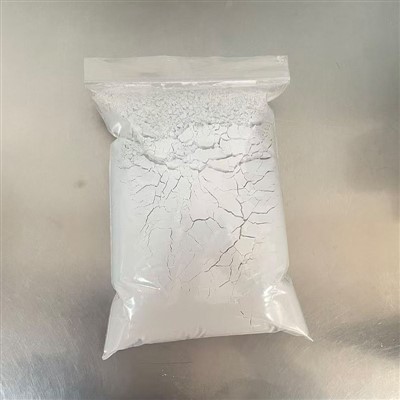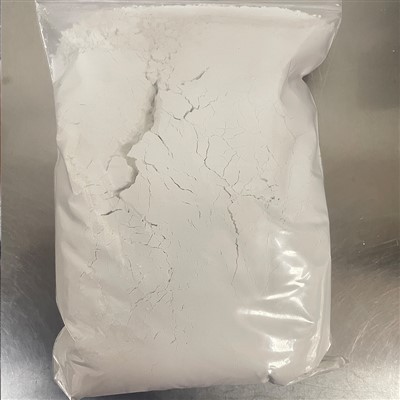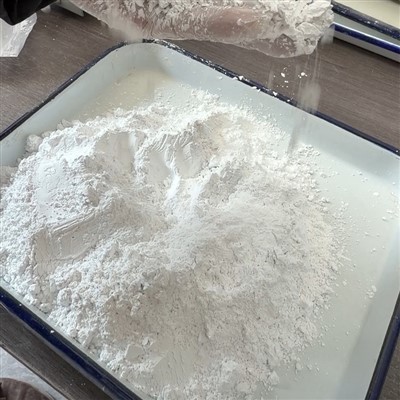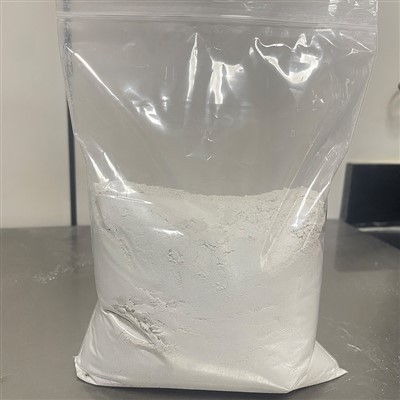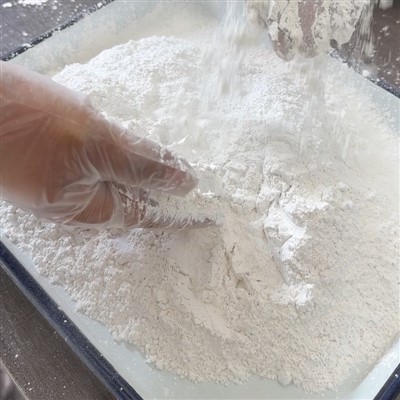
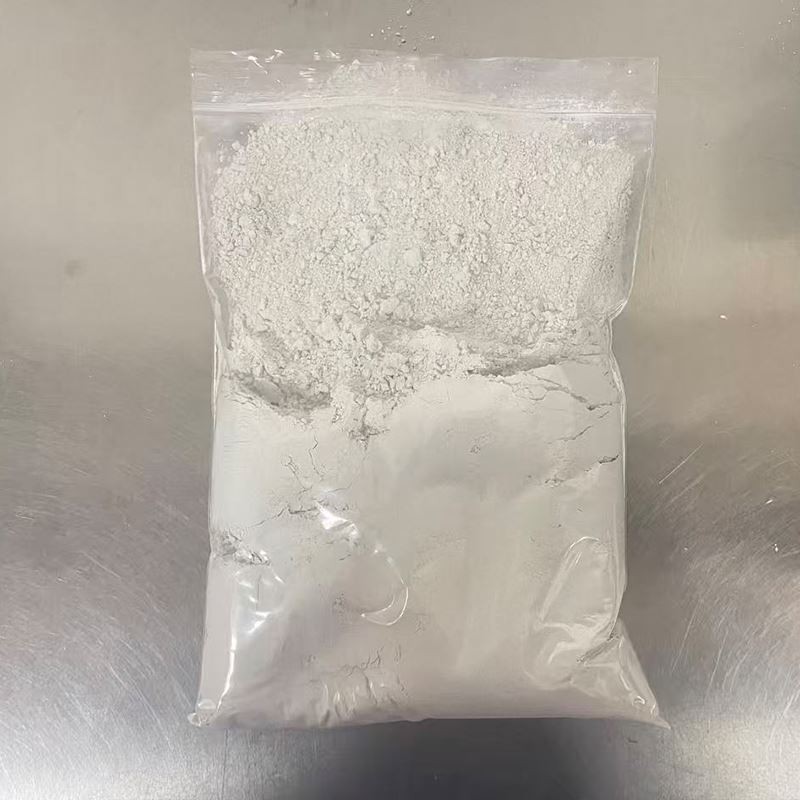
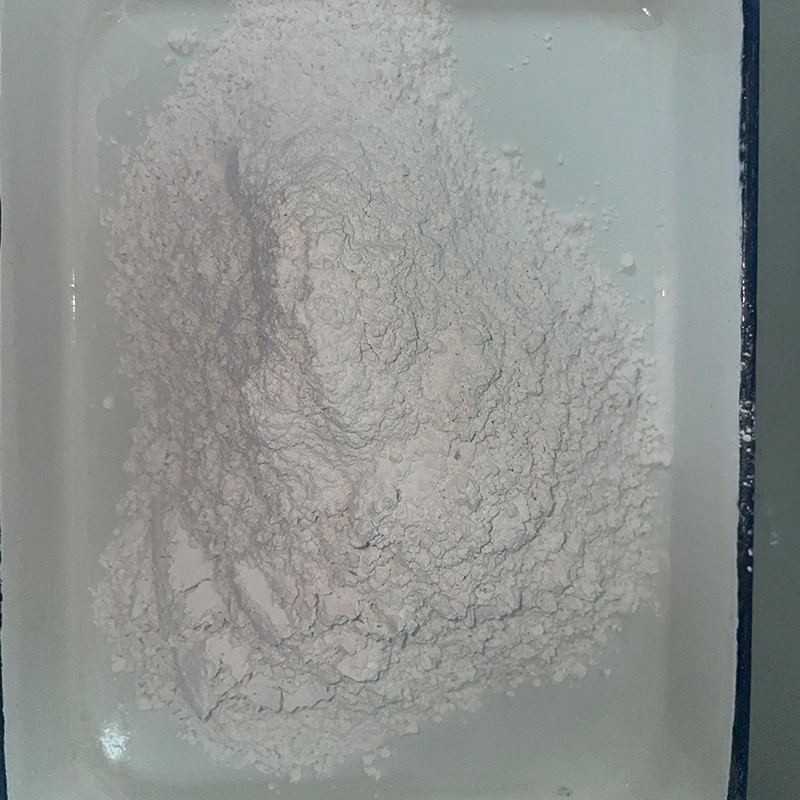
Mixed Alkali Powder, a versatile product in various industries, is widely used for its unique chemical properties. As a supplier of Mixed Alkali Powder, I understand the importance of ensuring its quality and purity. In this blog, I will explore the possible contaminants in Mixed Alkali Powder and their potential impacts on different applications.
Common Contaminants in Mixed Alkali Powder
Heavy Metals
Heavy metals such as lead, mercury, cadmium, and arsenic are among the most concerning contaminants in Mixed Alkali Powder. These metals can enter the powder during the raw material extraction, manufacturing process, or through environmental contamination. Lead, for example, can be present in the raw materials used to produce the alkali powder. It is a toxic metal that can cause serious health problems, including neurological damage, especially in children. Mercury is another highly toxic heavy metal that can bioaccumulate in the environment and the human body. Cadmium and arsenic are also known carcinogens and can have long - term health effects on humans.
The presence of heavy metals in Mixed Alkali Powder can be a significant issue, especially in applications where the powder comes into contact with food, water, or the human body. For instance, in the food industry, if Mixed Alkali Powder is used as a food additive, the presence of heavy metals can pose a direct threat to consumers' health.
Particulate Matter
Particulate matter can also contaminate Mixed Alkali Powder. This can include dust, dirt, and other solid particles that may be introduced during the manufacturing, packaging, or storage processes. These particles can affect the physical properties of the powder, such as its flowability and solubility. In some industrial applications, such as in the production of glass or ceramics, the presence of particulate matter can lead to defects in the final products. For example, in glass manufacturing, particulate matter can cause bubbles or inclusions in the glass, reducing its quality and transparency.
Organic Impurities
Organic impurities in Mixed Alkali Powder can come from various sources. They may be present in the raw materials or can be introduced during the manufacturing process. Organic compounds such as oils, greases, and solvents can contaminate the powder. These impurities can affect the chemical reactivity of the powder and may also cause odor or color changes. In applications where the powder is used in chemical reactions, organic impurities can interfere with the reaction kinetics and may lead to unwanted side - reactions.
Microorganisms
Microorganisms such as bacteria, fungi, and yeasts can contaminate Mixed Alkali Powder. This can happen if the manufacturing environment is not properly sanitized or if the powder is stored in conditions that promote microbial growth. Microbial contamination can be a serious issue, especially in applications where the powder is used in the pharmaceutical or food industries. In pharmaceutical applications, microbial contamination can render the product unsafe for use and may lead to infections or other health problems in patients.
Sources of Contamination
Raw Materials
The quality of the raw materials used to produce Mixed Alkali Powder is a major factor in determining the level of contaminants. If the raw materials are sourced from polluted areas or are of low quality, they may contain high levels of heavy metals, organic impurities, or particulate matter. For example, if the raw materials are mined from areas with high levels of heavy metal contamination, the resulting Mixed Alkali Powder will likely contain these contaminants.
Manufacturing Process
The manufacturing process itself can introduce contaminants. Poorly maintained equipment can shed particles into the powder. For example, if the mixing equipment is not cleaned regularly, it can leave behind residues that contaminate the powder. Additionally, the use of chemicals and solvents during the manufacturing process can also introduce organic impurities if not properly removed.
Storage and Packaging
Improper storage and packaging can also lead to contamination. If the powder is stored in a humid environment, it can absorb moisture, which can promote the growth of microorganisms. In addition, if the packaging is not air - tight, it can allow dust and other particles to enter the powder.
Impact of Contaminants on Applications
Industrial Applications
In industrial applications, such as in the production of detergents, paper, and textiles, contaminants in Mixed Alkali Powder can affect the quality of the final products. For example, in the detergent industry, heavy metals or organic impurities can reduce the effectiveness of the detergent and may cause skin irritation in users. In the paper industry, particulate matter can cause problems in the papermaking process, such as clogging of the paper - making machinery.
Food and Pharmaceutical Applications
In the food and pharmaceutical industries, the presence of contaminants in Mixed Alkali Powder is of utmost importance. As mentioned earlier, heavy metals, microorganisms, and organic impurities can pose serious health risks to consumers. In the pharmaceutical industry, strict regulations are in place to ensure the purity of the raw materials used in drug manufacturing. Any contamination in Mixed Alkali Powder used in pharmaceutical products can lead to product recalls and legal issues.
Detection and Control of Contaminants
Detection Methods
There are several methods available for detecting contaminants in Mixed Alkali Powder. For heavy metals, techniques such as atomic absorption spectroscopy (AAS) and inductively coupled plasma - mass spectrometry (ICP - MS) can be used to accurately measure the concentration of heavy metals in the powder. For particulate matter, microscopy and sieving methods can be used to determine the size and quantity of particles. Microbiological analysis can be performed to detect the presence of microorganisms, and gas chromatography - mass spectrometry (GC - MS) can be used to detect organic impurities.
Control Measures
To control the contaminants in Mixed Alkali Powder, it is essential to start with high - quality raw materials. Regular testing of the raw materials and the final product is necessary to ensure compliance with quality standards. In the manufacturing process, proper cleaning and maintenance of equipment are crucial to prevent contamination. Strict hygiene practices should be followed to prevent microbial growth. Additionally, proper storage and packaging can help to minimize the risk of contamination.
Conclusion
As a supplier of Mixed Alkali Powder, I am committed to providing high - quality products with minimal contaminants. Understanding the possible contaminants in Mixed Alkali Powder and their sources is essential for ensuring the safety and quality of the powder. By implementing strict quality control measures and using advanced detection methods, we can minimize the risk of contamination and provide our customers with a reliable product.
If you are interested in Alkali Composite Powder, Industrial Composite Alkali Powder, or Composite Alkali Powder, and want to discuss your specific requirements, please feel free to contact us for procurement and further details.
References
- Smith, J. (2018). Chemical Contaminants in Industrial Powders. Journal of Industrial Chemistry, 25(3), 123 - 135.
- Johnson, A. (2019). Quality Control in Alkali Powder Production. International Journal of Chemical Engineering, 30(2), 89 - 98.
- Brown, C. (2020). Detection and Removal of Contaminants in Mixed Alkali Powder. Chemical Science Review, 15(4), 201 - 210.