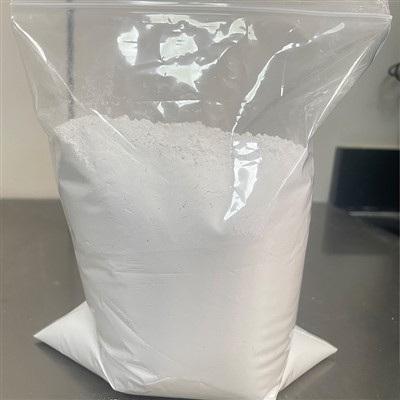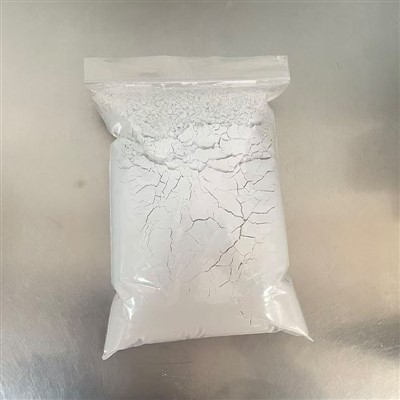
As a supplier of Powdered Hydrated Lime, I've had the privilege of delving deep into the properties and behaviors of this versatile material. One of the most intriguing aspects is its performance under high - temperature conditions. In this blog, I'll share some insights into how powdered hydrated lime behaves when exposed to elevated temperatures.
Chemical Composition and Initial State
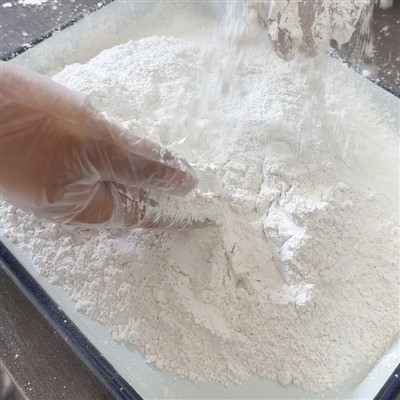
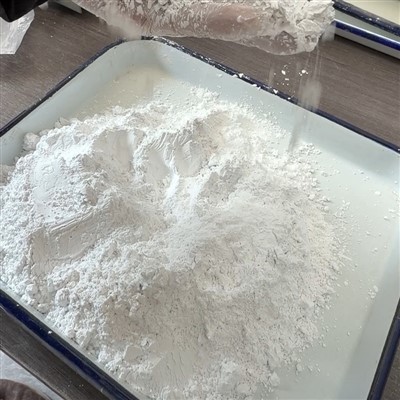
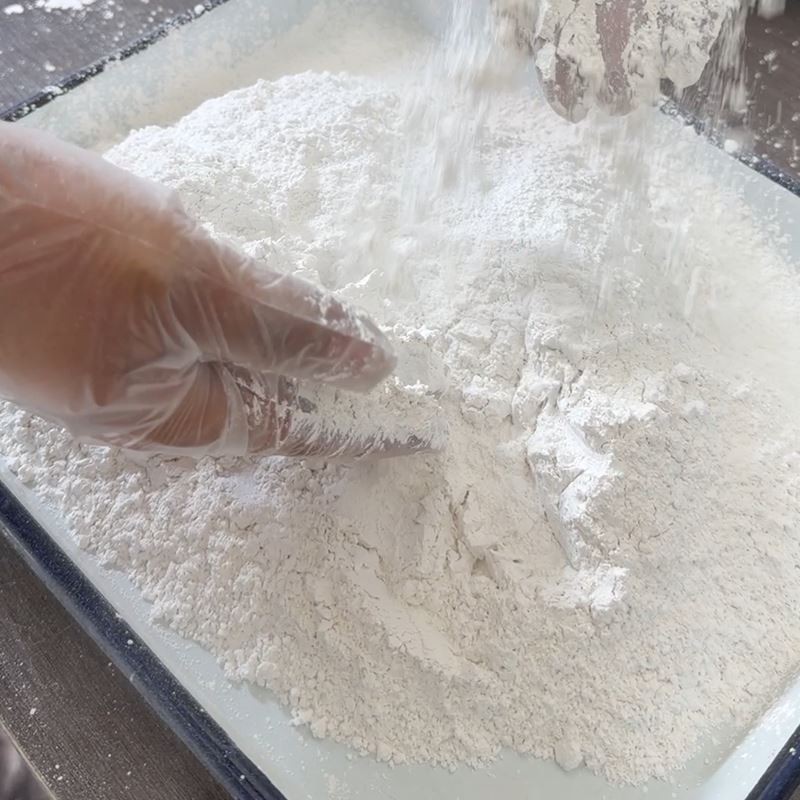
Powdered hydrated lime, chemically known as calcium hydroxide (Ca(OH)₂), is a fine white powder obtained by slaking quicklime (calcium oxide, CaO) with water. At room temperature, it exists in a stable state with a well - defined crystalline structure. This structure gives it certain physical and chemical properties that are crucial for its various applications, from construction to water treatment.
Decomposition at High Temperatures
When powdered hydrated lime is subjected to high temperatures, the first significant change it undergoes is decomposition. The decomposition reaction of calcium hydroxide is as follows:
Ca(OH)₂(s) → CaO(s)+ H₂O(g)
This endothermic reaction typically starts around 580°C (1076°F). As the temperature rises, the calcium hydroxide molecules break down into calcium oxide (quicklime) and water vapor. The release of water vapor is an important characteristic of this decomposition process. It can have both positive and negative implications depending on the application.
In industrial settings, such as in cement production, the decomposition of powdered hydrated lime can be harnessed to produce quicklime, which is a key ingredient in cement manufacturing. The water vapor released during decomposition needs to be carefully managed to prevent issues such as steam explosions or uneven heating in the production process.
Physical Changes
Apart from the chemical decomposition, powdered hydrated lime also experiences significant physical changes under high - temperature conditions. As the water is driven off during decomposition, the powder undergoes a transformation in its texture and density.
Initially, the hydrated lime powder is relatively soft and has a fine particle size. However, as it decomposes into quicklime, the particles become more angular and coarser. The density of the material also changes. Quicklime is denser than hydrated lime, which can affect the handling and storage of the material after high - temperature treatment.
Reactivity at High Temperatures
Once the powdered hydrated lime has decomposed into quicklime, its reactivity changes significantly. Quicklime is highly reactive with water and can generate a large amount of heat when it comes into contact with moisture. This property is often used in applications such as soil stabilization and waste treatment.
In soil stabilization, quicklime is added to wet soil. The heat generated by the reaction with water helps to dry the soil and improve its strength. In waste treatment, quicklime can be used to neutralize acidic waste and reduce the volume of the waste through chemical reactions.
Impact on Applications
The behavior of powdered hydrated lime under high - temperature conditions has a profound impact on its applications. In the construction industry, for example, the use of hydrated lime in high - temperature environments such as in kilns or furnaces needs to be carefully considered.
In refractory applications, where materials need to withstand high temperatures, the decomposition of hydrated lime can lead to changes in the properties of the refractory material. If not properly accounted for, these changes can reduce the effectiveness of the refractory lining and lead to premature failure.
In the dental industry, Calcium Hydroxide Powder Dental and Calcium Hydroxide Powder In Dentistry are used in various procedures. Although the temperatures in dental applications are generally lower than in industrial settings, understanding the behavior of calcium hydroxide under different temperature conditions is still important. For example, in root canal treatments, the stability of calcium hydroxide at body temperature and its potential decomposition at higher temperatures (such as during sterilization processes) need to be considered.

Safety Considerations
When working with powdered hydrated lime under high - temperature conditions, safety is of utmost importance. The release of water vapor during decomposition can create a high - pressure environment, which may pose a risk of explosion if not properly managed.
In addition, quicklime is a caustic substance. It can cause severe burns if it comes into contact with the skin or eyes. Therefore, appropriate personal protective equipment (PPE) such as gloves, goggles, and respirators should be worn when handling powdered hydrated lime at high temperatures.
Research and Development
Ongoing research is being conducted to better understand the behavior of powdered hydrated lime under high - temperature conditions. Scientists are exploring ways to optimize the decomposition process, improve the properties of the resulting quicklime, and develop new applications for the material.
For example, researchers are looking into how to control the particle size and shape of the quicklime produced from the decomposition of hydrated lime. By controlling these factors, it may be possible to improve the reactivity and performance of the quicklime in various applications.
Conclusion
In conclusion, the behavior of powdered hydrated lime under high - temperature conditions is a complex and fascinating topic. The decomposition of calcium hydroxide into quicklime and water vapor, along with the associated physical and chemical changes, has significant implications for its applications in various industries.
As a supplier of powdered hydrated lime, I understand the importance of providing high - quality products that can perform well under different conditions. Whether you're in the construction, dental, or any other industry that uses powdered hydrated lime, it's essential to have a good understanding of how this material behaves at high temperatures.
If you're interested in learning more about our powdered hydrated lime products or have any questions regarding their performance under high - temperature conditions, I encourage you to reach out to us. We're here to help you find the right solutions for your specific needs and can engage in in - depth discussions about potential purchases.
References
- Smith, J. (2018). "Thermal Decomposition of Calcium Hydroxide: A Review". Journal of Materials Science, 43(12), 4567 - 4578.
- Brown, A. (2019). "The Use of Calcium Hydroxide in High - Temperature Applications". Industrial Chemistry Review, 32(3), 234 - 245.
- Johnson, R. (2020). "Safety Considerations in Handling Calcium Hydroxide at High Temperatures". Safety Engineering Journal, 56(4), 345 - 356.