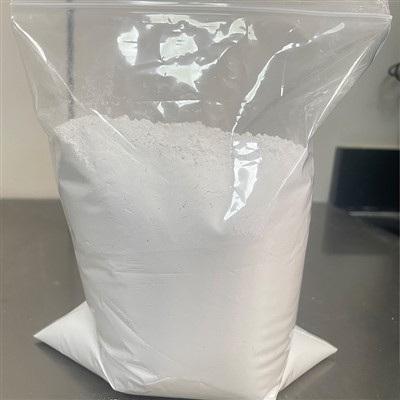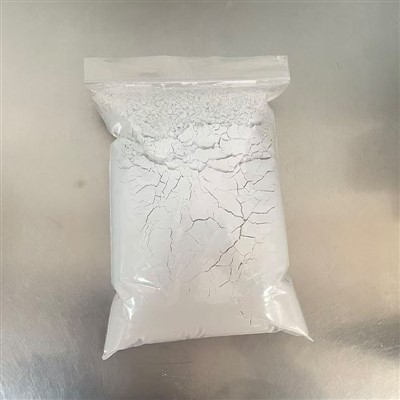
As a supplier of Calcined Lime Powder, I've had numerous discussions with clients about its various applications, and one topic that often comes up is its reaction with oils. In this blog, I'll delve into the science behind how Calcined Lime Powder interacts with oils, explore the practical implications of these reactions, and discuss how our high - quality product can be utilized in oil - related industries.
Understanding Calcined Lime Powder
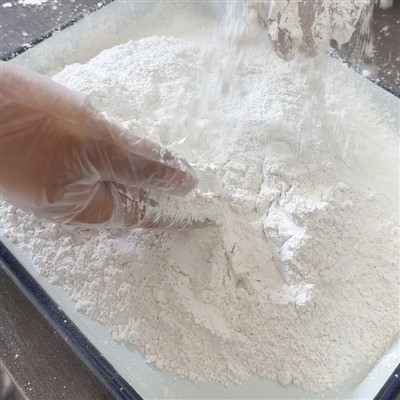
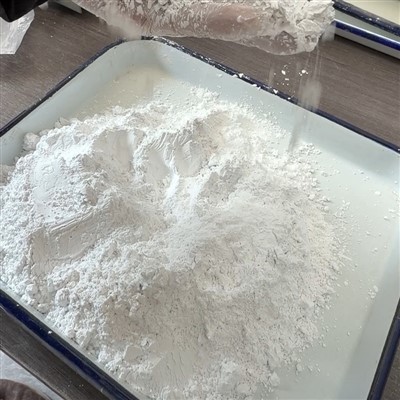
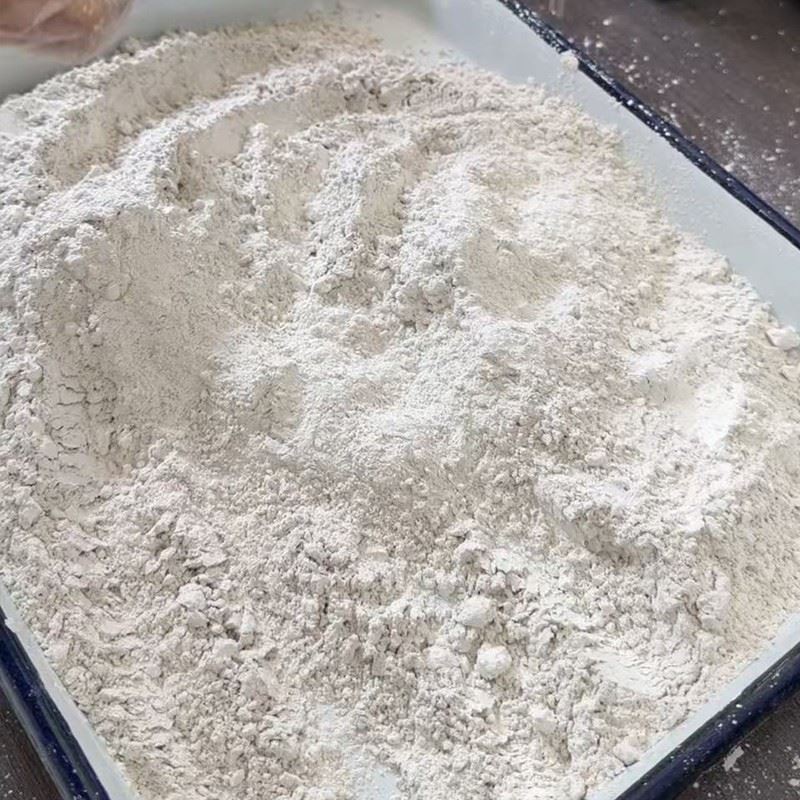
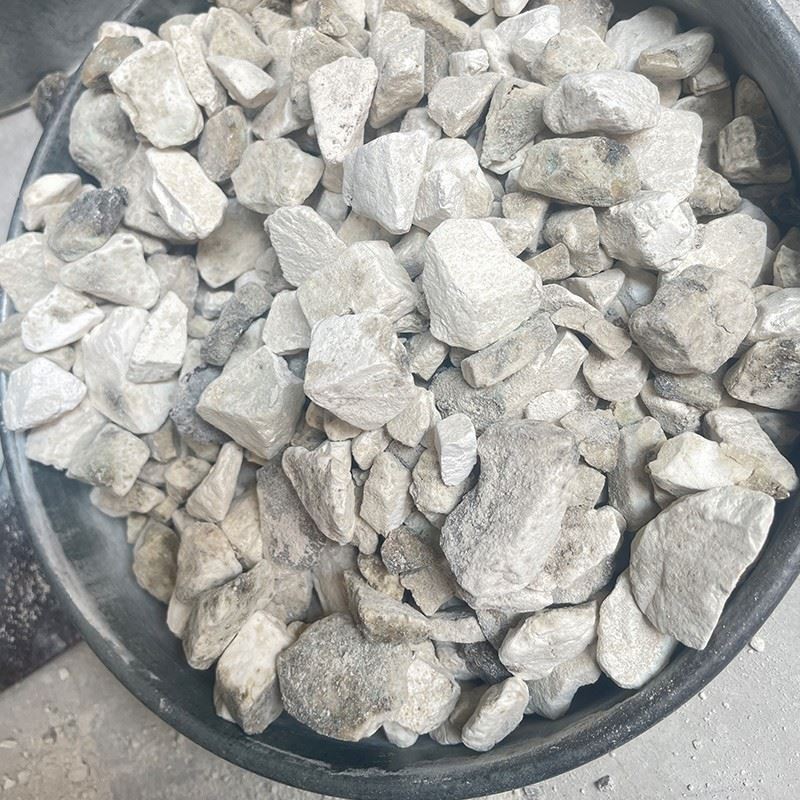
Calcined Lime Powder, also known as quicklime powder, is produced by heating limestone (calcium carbonate) to a high temperature, causing it to decompose into calcium oxide (CaO). This process, called calcination, results in a fine, white powder with strong alkaline properties. Our Industrial Quick Lime Powder is carefully manufactured to meet the highest industry standards, ensuring consistent quality and performance.
The Chemical Reaction between Calcined Lime Powder and Oils
The reaction between Calcined Lime Powder and oils is primarily a saponification reaction. Oils are esters of fatty acids and glycerol. When calcium oxide (CaO) in the Calcined Lime Powder comes into contact with water, it forms calcium hydroxide (Ca(OH)₂) through the following reaction:
CaO + H₂O → Ca(OH)₂
Calcium hydroxide then reacts with the fatty acids in the oils. The general reaction for saponification is:
2R - COO - CH₂ - CH(OOCR) - CH₂ - OOCR + 3Ca(OH)₂ → 3Ca(R - COO)₂+ 2HO - CH₂ - CH(OH) - CH₂ - OH
In this reaction, the triglycerides in the oil (represented by R - COO - CH₂ - CH(OOCR) - CH₂ - OOCR) react with calcium hydroxide to form calcium salts of fatty acids (Ca(R - COO)₂), which are commonly known as soaps, and glycerol (HO - CH₂ - CH(OH) - CH₂ - OH).
Factors Affecting the Reaction
Several factors can influence the rate and extent of the reaction between Calcined Lime Powder and oils:
Temperature
Higher temperatures generally increase the rate of the saponification reaction. As the temperature rises, the kinetic energy of the molecules increases, leading to more frequent and energetic collisions between the reactants. However, extremely high temperatures can also cause side reactions or decomposition of the oil or the products formed.
Concentration of Calcined Lime Powder
A higher concentration of Calcined Lime Powder provides more calcium hydroxide for the saponification reaction. This can lead to a faster reaction rate and a more complete conversion of the oil into soap and glycerol. However, an excessive amount of lime powder may also result in the formation of unwanted by - products or an overly alkaline environment.
Type of Oil
Different oils have different fatty acid compositions, which can affect the reaction. Oils with a higher proportion of unsaturated fatty acids may react more quickly than those with a higher proportion of saturated fatty acids. Additionally, the presence of impurities in the oil can also influence the reaction.
Practical Applications in the Oil Industry
Oil Refining
In oil refining processes, Calcined Lime Powder can be used to remove free fatty acids from crude oils. By reacting with the free fatty acids, the lime powder forms soaps, which can be easily separated from the oil. This helps to improve the quality of the oil and reduce corrosion in the refining equipment. Our Quicklime Powder is an ideal choice for this application due to its high reactivity and purity.
Waste Oil Treatment
Calcined Lime Powder is also used in the treatment of waste oils. When added to waste oils, it can break down the oil into more manageable components. The saponification reaction helps to reduce the viscosity of the waste oil and separate it from other contaminants. This makes it easier to dispose of or recycle the waste oil. Our Powdered Quicklime can be effectively used in waste oil treatment plants to achieve efficient and cost - effective results.
Biodiesel Production
In biodiesel production, Calcined Lime Powder can be used as a catalyst for the transesterification reaction. Although traditional catalysts like sodium hydroxide are more commonly used, calcium - based catalysts such as those derived from Calcined Lime Powder offer several advantages. They are less corrosive, easier to handle, and can be recovered and reused. The saponification reaction between the lime powder and the oils in the feedstock can also help to remove impurities and improve the quality of the biodiesel produced.
Quality Assurance of Our Calcined Lime Powder
As a supplier, we understand the importance of providing high - quality Calcined Lime Powder for these applications. Our production process is carefully monitored to ensure that the powder has the right particle size, purity, and reactivity. We conduct regular quality control tests to verify the chemical composition and physical properties of the product. This ensures that our clients receive a product that consistently performs well in their oil - related processes.
Contact Us for Procurement
If you're involved in the oil industry and are looking for a reliable supplier of Calcined Lime Powder, we'd love to hear from you. Our team of experts can provide you with detailed information about our products, including their specifications, applications, and pricing. Whether you need a small quantity for laboratory testing or a large - scale supply for industrial production, we can meet your requirements. Reach out to us to start a discussion about your procurement needs.
References
- Smith, J. (2018). Chemical Reactions in the Oil Industry. London: Elsevier.
- Jones, A. (2019). Calcined Lime in Industrial Processes. New York: Wiley.
- Brown, C. (2020). Waste Oil Treatment Technologies. Sydney: McGraw - Hill.