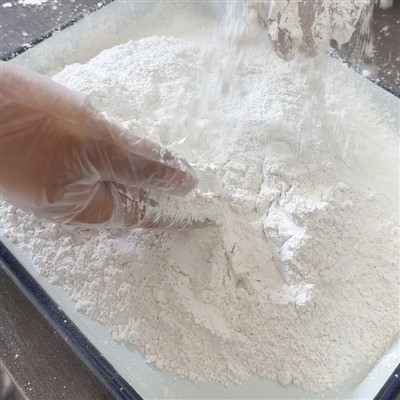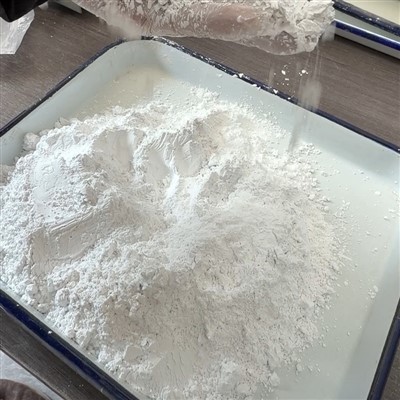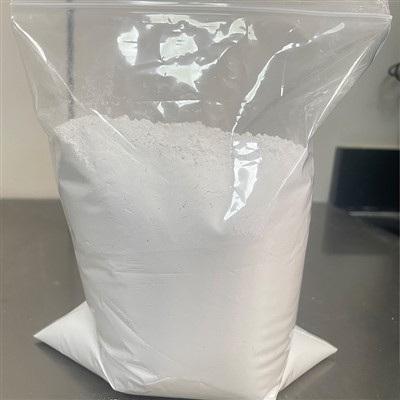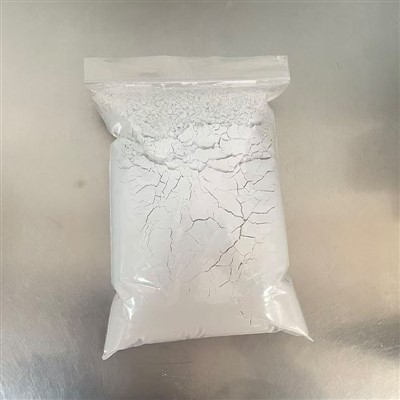
Powdered hydrated lime, also known as calcium hydroxide (Ca(OH)₂), is a versatile and essential material in the mining industry. As a supplier of Powdered Hydrated Lime, I have witnessed firsthand the numerous applications and benefits of this remarkable substance. In this blog post, I will explore the various ways in which powdered hydrated lime is used in the mining sector, shedding light on its crucial role in ensuring efficient and sustainable operations.
1. pH Regulation and Acid Mine Drainage (AMD) Treatment
One of the primary applications of powdered hydrated lime in the mining industry is pH regulation and the treatment of acid mine drainage (AMD). AMD is a significant environmental concern associated with mining activities, particularly in areas where sulfide minerals are present. When these sulfide minerals are exposed to air and water, they undergo oxidation, producing sulfuric acid and releasing heavy metals into the environment.
Powdered hydrated lime is an effective neutralizing agent for AMD. It reacts with the sulfuric acid in the drainage water, raising the pH and precipitating heavy metals as insoluble hydroxides. This process not only reduces the acidity of the water but also removes harmful contaminants, preventing them from entering nearby water bodies and causing environmental damage.
In addition to treating AMD, powdered hydrated lime is used to maintain the optimal pH levels in mining processes such as flotation, leaching, and tailings management. By controlling the pH, miners can enhance the efficiency of these processes and improve the recovery of valuable minerals.
2. Flotation Process
The flotation process is a widely used method for separating valuable minerals from gangue (unwanted rock and minerals) in the mining industry. Powdered hydrated lime plays a crucial role in this process by adjusting the pH of the flotation pulp and acting as a depressant for certain minerals.
In the flotation of sulfide minerals, such as copper, lead, and zinc, powdered hydrated lime is used to raise the pH of the pulp to a level where the sulfide minerals are more easily floated. At high pH levels, the surface of the sulfide minerals becomes more hydrophobic, allowing them to attach to air bubbles and rise to the surface of the flotation cell.
Powdered hydrated lime is also used as a depressant for pyrite, a common sulfide mineral that can interfere with the flotation of other valuable minerals. By depressing the flotation of pyrite, powdered hydrated lime helps to improve the selectivity of the flotation process and increase the recovery of the desired minerals.
3. Leaching Process
The leaching process is used to extract valuable metals from ores by dissolving them in a suitable solvent. Powdered hydrated lime is often used in the leaching process to adjust the pH of the leaching solution and to precipitate impurities.
In the leaching of gold and silver ores, for example, powdered hydrated lime is used to raise the pH of the cyanide leaching solution. At high pH levels, the cyanide ions are more stable, and the leaching efficiency is improved. Powdered hydrated lime is also used to precipitate heavy metals and other impurities from the leaching solution, preventing them from interfering with the recovery of the precious metals.
4. Tailings Management
Tailings are the waste materials left over after the extraction of valuable minerals from ores. Proper management of tailings is essential to prevent environmental pollution and ensure the long - term stability of mining operations. Powdered hydrated lime is used in tailings management in several ways.
Firstly, it is used to stabilize the tailings by increasing their pH and reducing their acidity. This helps to prevent the oxidation of sulfide minerals in the tailings, which can lead to the generation of AMD. Secondly, powdered hydrated lime can be used to improve the physical properties of the tailings, such as their strength and permeability. By adding powdered hydrated lime to the tailings, miners can create a more stable and less permeable material, reducing the risk of seepage and contamination.
5. Dust Suppression
Dust is a common problem in the mining industry, posing health risks to workers and causing environmental pollution. Powdered hydrated lime can be used as a dust suppressant in mining operations. When applied to the surface of roads, stockpiles, and other areas prone to dust generation, powdered hydrated lime forms a crust that helps to prevent dust from becoming airborne.
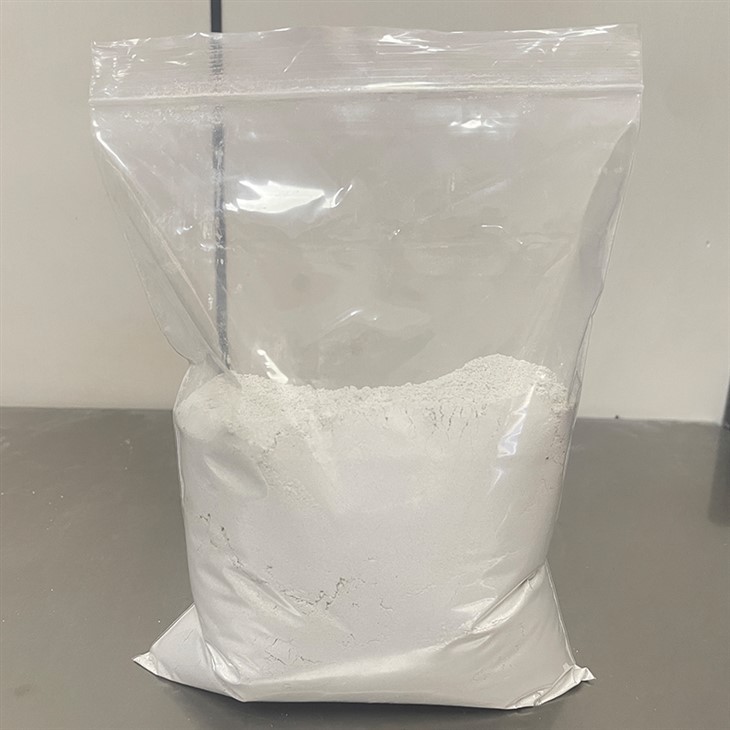
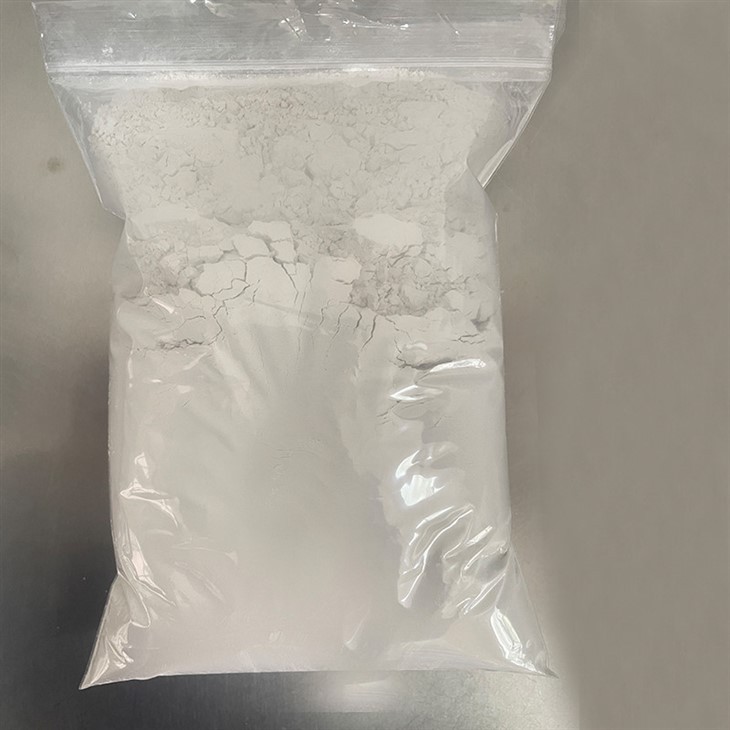
The calcium hydroxide in the powdered hydrated lime reacts with carbon dioxide in the air to form calcium carbonate, which binds the dust particles together and reduces their mobility. This not only improves the air quality in the mining area but also reduces the wear and tear on equipment and vehicles.
6. Other Applications
In addition to the above - mentioned applications, powdered hydrated lime has several other uses in the mining industry. For example, it is used in the production of cement for mine construction and in the treatment of wastewater from mining operations. It can also be used as a flux in the smelting of metals, helping to lower the melting point of the ore and improve the efficiency of the smelting process.
Calcium Hydroxide Powder In Dentistry showcases another application of calcium hydroxide, highlighting its versatility beyond the mining industry. Similarly, Caoh Powder is a key product that has multiple uses in different sectors.
Conclusion
Powdered hydrated lime is an indispensable material in the mining industry, with a wide range of applications that contribute to the efficiency, sustainability, and environmental friendliness of mining operations. From pH regulation and AMD treatment to flotation, leaching, tailings management, and dust suppression, the benefits of using powdered hydrated lime are numerous.
As a supplier of high - quality Powdered Hydrated Lime, I am committed to providing our customers with the best products and services. If you are involved in the mining industry and are looking for a reliable source of powdered hydrated lime, I encourage you to contact us to discuss your specific needs and requirements. We look forward to the opportunity to work with you and contribute to the success of your mining operations.
References
- "Mining and Mineral Processing: Principles, Procedures, and Costs" by J. A. Herbst, R. P. King, and A. W. C. van Wyk.
- "Acid Mine Drainage: Causes, Control, and Treatment" by W. H. Hedin and R. A. Nairn.
- "Flotation: A Century of Innovation" edited by J. R. Finch and R. J. Klimpel.