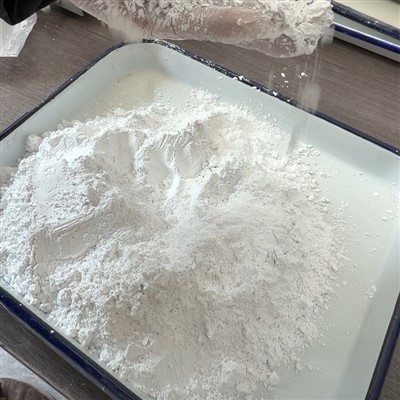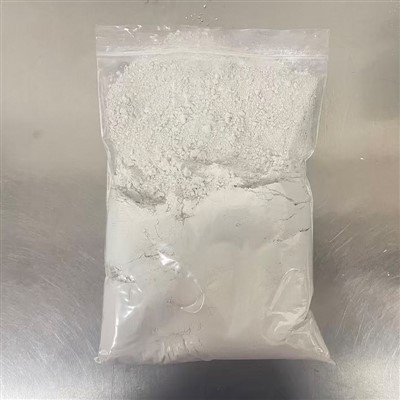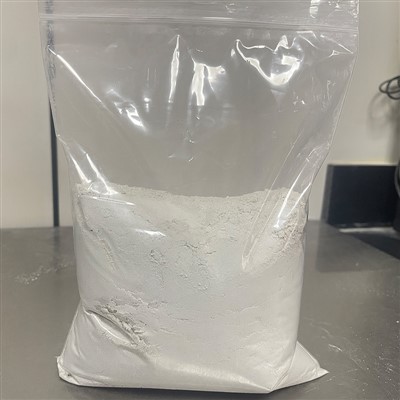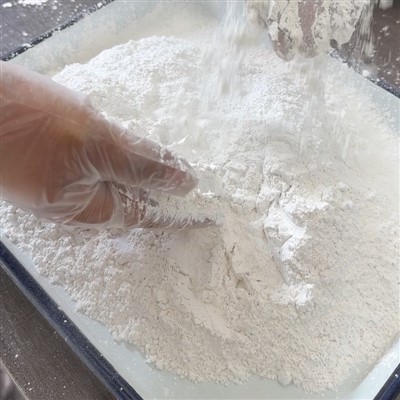
As a supplier of synthetic alkali powder, I understand the crucial importance of protecting this product from humidity. Synthetic alkali powder, which includes products like Industrial Composite Alkali Powder, Mixed Alkali Powder, and Composite Alkali Powder, is widely used in various industries. However, humidity can significantly affect its quality and performance. In this blog, I will share some effective ways to protect synthetic alkali powder from humidity.
1. Proper Packaging
The first line of defense against humidity is proper packaging. High - quality packaging materials can create a barrier between the synthetic alkali powder and the surrounding environment.
- Sealed Containers: Use air - tight containers made of materials such as plastic or metal. Plastic containers are lightweight and cost - effective, while metal containers offer better protection against physical damage and can be more resistant to moisture penetration. For example, polyethylene drums with tight - fitting lids are commonly used for storing synthetic alkali powder. These drums should be sealed properly to prevent any air or moisture from entering.
- Moisture - proof Bags: Specialized moisture - proof bags can also be used. These bags are often made with multiple layers, including a layer of aluminum foil which acts as a moisture barrier. Vacuum - sealing the powder in these bags can further enhance the protection. When the powder is vacuum - sealed, the air is removed from the bag, reducing the chances of moisture being trapped inside.
2. Storage Conditions
The storage environment plays a vital role in protecting synthetic alkali powder from humidity.
- Controlled Temperature and Humidity: Store the powder in a warehouse or storage facility with controlled temperature and humidity levels. The ideal temperature for storing synthetic alkali powder is usually between 10°C and 30°C, and the relative humidity should be kept below 60%. This can be achieved by using dehumidifiers and air - conditioning systems. Dehumidifiers work by removing moisture from the air, while air - conditioning helps to maintain a stable temperature.
- Elevated Storage: Place the containers of synthetic alkali powder on pallets or racks off the ground. This helps to prevent the powder from coming into contact with any moisture that may seep through the floor. It also allows for better air circulation around the containers, reducing the risk of condensation.
3. Desiccants
Desiccants are substances that can absorb moisture from the air. They are an effective way to protect synthetic alkali powder from humidity.
- Silica Gel: Silica gel is a commonly used desiccant. It is a porous material that can absorb a significant amount of moisture. Place silica gel packets inside the containers or storage areas where the synthetic alkali powder is stored. The silica gel will absorb the moisture in the air, keeping the powder dry. Once the silica gel is saturated, it can be regenerated by heating it in an oven at a specific temperature.
- Calcium Chloride: Calcium chloride is another powerful desiccant. It can absorb moisture from the air and form a liquid solution. It is often used in larger storage areas or in industrial settings. Calcium chloride can be placed in open containers near the synthetic alkali powder to absorb moisture.
4. Handling Precautions
Proper handling of synthetic alkali powder can also help in protecting it from humidity.
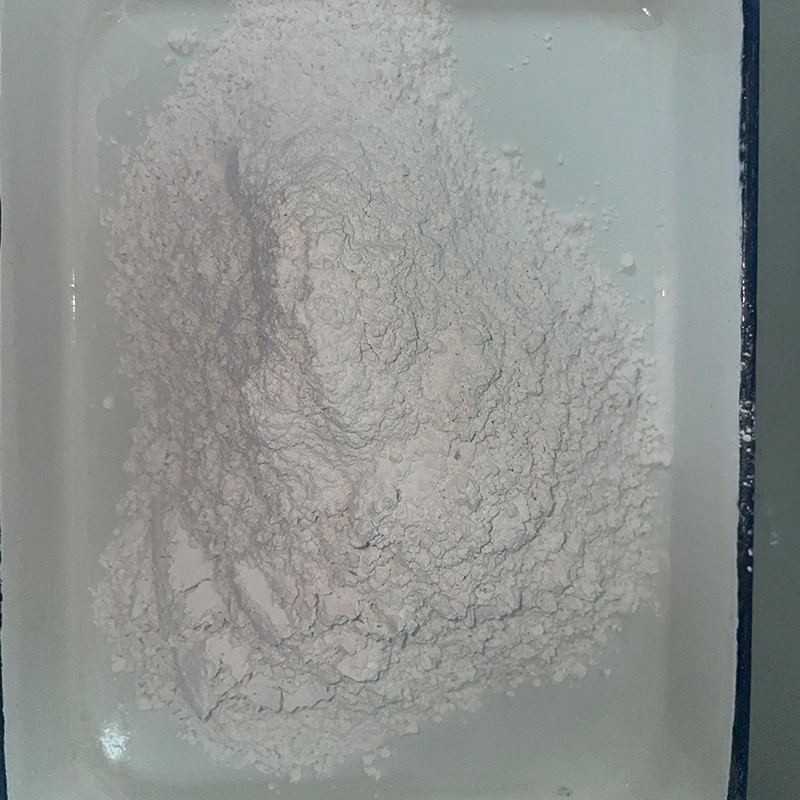
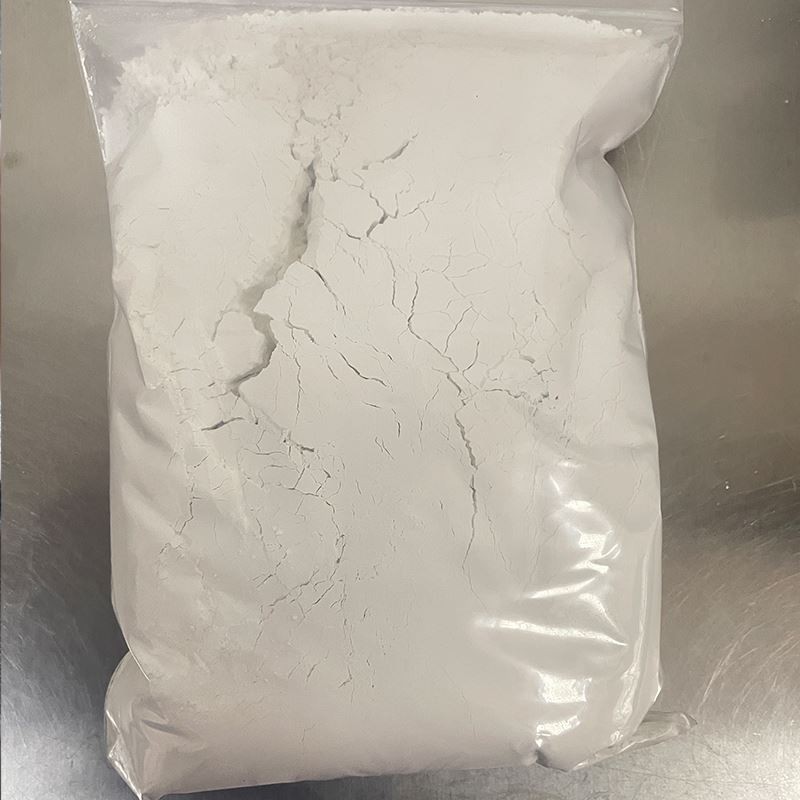
- Minimize Exposure: When handling the powder, try to minimize its exposure to the air. Open the containers only when necessary and close them immediately after use. This reduces the time during which the powder is in contact with the humid air.
- Clean Equipment: Ensure that all the equipment used for handling the powder, such as scoops and conveyors, is clean and dry. Any moisture on the equipment can transfer to the powder and cause it to clump or degrade.
5. Monitoring
Regular monitoring of the storage conditions and the quality of the synthetic alkali powder is essential.
- Humidity Sensors: Install humidity sensors in the storage area to continuously monitor the humidity levels. This allows you to take timely action if the humidity exceeds the recommended levels. For example, if the humidity sensor shows that the relative humidity has reached 65%, you can increase the operation of the dehumidifier.
- Quality Checks: Periodically check the quality of the synthetic alkali powder. Look for signs of clumping, discoloration, or changes in its chemical properties. If any issues are detected, take appropriate measures such as adjusting the storage conditions or replacing the affected powder.
Conclusion
Protecting synthetic alkali powder from humidity is crucial for maintaining its quality and performance. By using proper packaging, controlling the storage conditions, using desiccants, taking handling precautions, and monitoring the situation, we can ensure that the powder remains in good condition. If you are interested in purchasing high - quality synthetic alkali powder, we are here to provide you with the best products and services. Feel free to contact us for more information and to discuss your specific requirements.
References
- Smith, J. (2018). Industrial Chemical Storage and Handling. Chemical Publishing Co.
- Johnson, A. (2020). Moisture Control in Industrial Environments. Environmental Science Journal.