What are the effects of limestone powder on the color of products?
As a supplier of limestone powder, I've witnessed firsthand the diverse impacts that limestone powder can have on the color of various products. Limestone powder is a versatile material with a wide range of applications, from construction to cosmetics, and its influence on color is both significant and complex.
1. Basic Properties of Limestone Powder
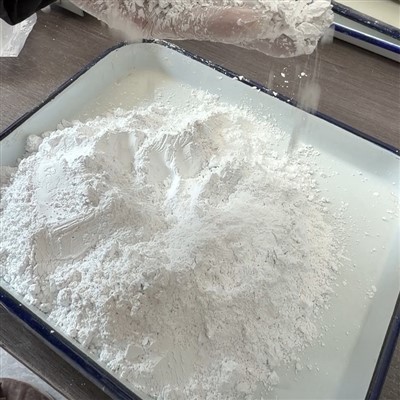
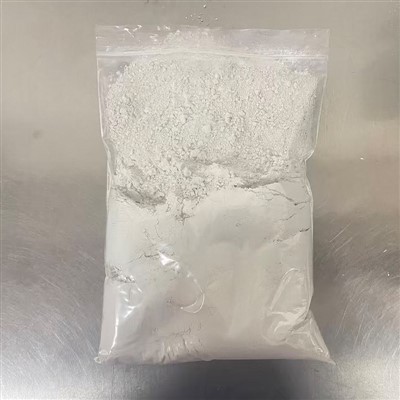
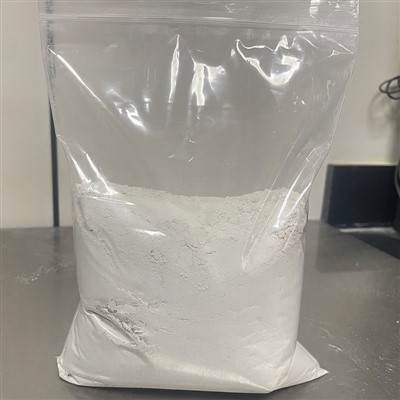
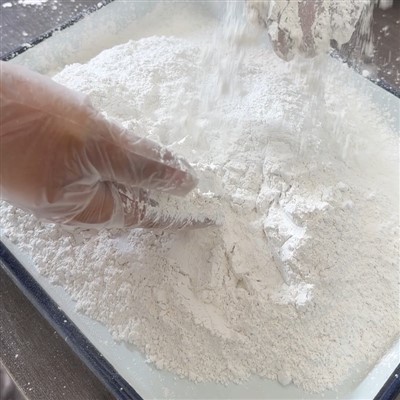
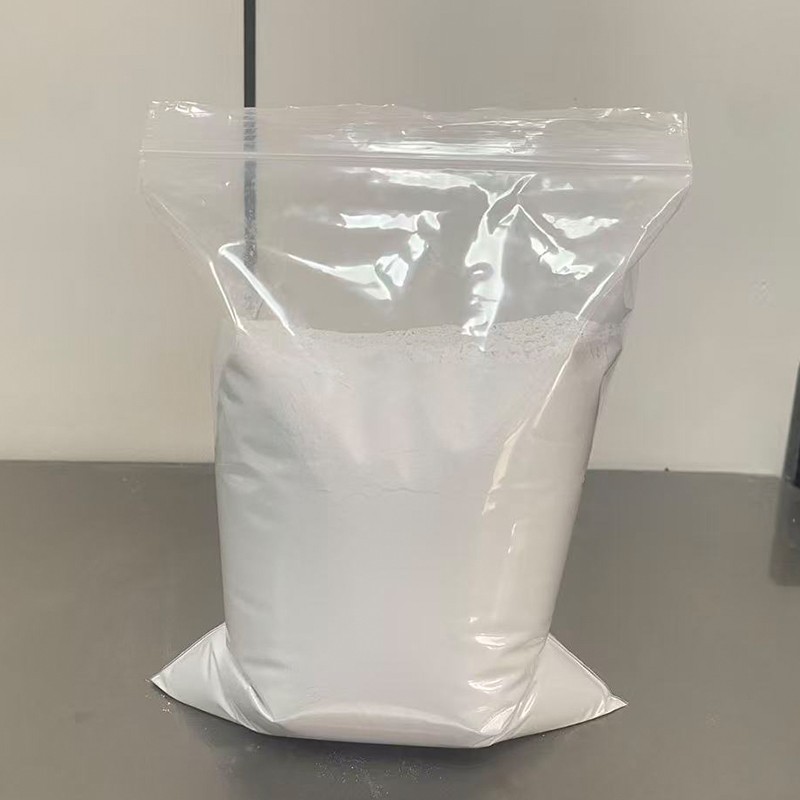
Limestone is a sedimentary rock composed mainly of calcium carbonate (CaCO₃). When it is ground into powder, its color typically ranges from white to off - white. The natural color of limestone powder is a result of its mineral composition and the presence of impurities. Pure calcium carbonate is white, but the presence of other minerals such as iron oxides, clay minerals, and organic matter can cause variations in color.
For instance, if the limestone contains a small amount of iron oxide, it may have a yellowish or reddish tint. The particle size of the limestone powder also plays a role in its appearance. Finer powders tend to have a more uniform and brighter color compared to coarser ones. Our Natural Limestone Powder is known for its high - quality and consistent color, which is ideal for applications where color uniformity is crucial.

2. Effects in Construction Materials
In the construction industry, limestone powder is often used as an additive in concrete, mortar, and plaster. When added to concrete, limestone powder can affect the color of the final product. Generally, it lightens the color of concrete, giving it a more uniform and appealing appearance.
The addition of limestone powder can help to reduce the darkening effect of cement and other additives. For example, in high - performance concrete, the use of Micronized Limestone can result in a lighter - colored concrete surface, which is particularly desirable for architectural applications. The fine particles of micronized limestone fill the pores in the concrete, improving its density and surface finish, and also contributing to a more consistent color.
In mortar and plaster, limestone powder can also enhance the color. It can be used to adjust the color of these materials to match the surrounding environment or architectural design. For instance, in historical building restoration projects, limestone powder can be used to create a mortar or plaster that closely matches the original color of the building materials.
3. Influence on Paints and Coatings
In the paint and coating industry, limestone powder is used as a filler and extender. It can have a significant impact on the color of paints and coatings. When added to white paints, limestone powder can improve the whiteness and opacity of the paint. The fine particles of limestone powder scatter light, making the paint appear brighter and more vivid.
For colored paints, limestone powder can act as a diluent, affecting the intensity and shade of the color. It can help to reduce the cost of the paint by replacing some of the more expensive pigments while still maintaining an acceptable color quality. Our Limestone Chuna Powder is a popular choice for paint manufacturers due to its fine particle size and consistent color.
However, it's important to note that the interaction between limestone powder and pigments in paints can be complex. The surface properties of the limestone powder, such as its surface area and chemical composition, can affect the dispersion and stability of the pigments. Therefore, careful formulation and testing are required to achieve the desired color effects in paints and coatings.
4. Impact on Plastics and Polymers
In the plastics and polymer industry, limestone powder is used as a filler to improve the mechanical properties and reduce the cost of the products. It can also have an effect on the color of plastics. When added to white plastics, limestone powder can enhance the whiteness and brightness of the plastic.
In colored plastics, the influence of limestone powder on color depends on the type and amount of pigment used. In some cases, limestone powder can act as a color modifier, changing the shade and intensity of the color. For example, in polypropylene plastics, the addition of limestone powder can make the color appear more pastel - like.
The compatibility between the limestone powder and the polymer matrix is also crucial for achieving consistent color. Poor compatibility can lead to color variations and surface defects in the plastic products. Therefore, choosing the right type of limestone powder and ensuring proper dispersion in the polymer are essential for controlling the color of plastic products.
5. Considerations for Color Consistency
Maintaining color consistency is a major challenge when using limestone powder in various products. The color of limestone powder can vary depending on the source of the limestone, the processing method, and the storage conditions. To ensure color consistency, it is important to source limestone from reliable suppliers and to implement strict quality control measures during the production process.
Regular testing of the limestone powder is necessary to monitor its color and other properties. Spectrophotometers can be used to measure the color of the powder accurately and to compare it with the desired color standards. By controlling the particle size, purity, and surface properties of the limestone powder, we can minimize color variations and ensure that the final products meet the customer's color requirements.
6. Contact for Purchase and Collaboration
If you are interested in using limestone powder for your products and are concerned about its color effects, we are here to assist you. Our team of experts has extensive knowledge and experience in providing high - quality limestone powder with consistent color. We can offer customized solutions based on your specific color requirements and application needs.
Whether you are in the construction, paint, plastic, or other industries, we can work with you to ensure that the limestone powder we supply meets your expectations. Please feel free to contact us for more information and to discuss your purchase requirements. We look forward to collaborating with you to achieve the best color results in your products.
References
- Neville, A. M. (1995). Properties of Concrete. Pearson Education.
- Meyer, C. D. (2009). Concrete: Microstructure, Properties, and Materials. McGraw - Hill.
- Wypych, G. (2012). Handbook of Fillers, Second Edition. ChemTec Publishing.