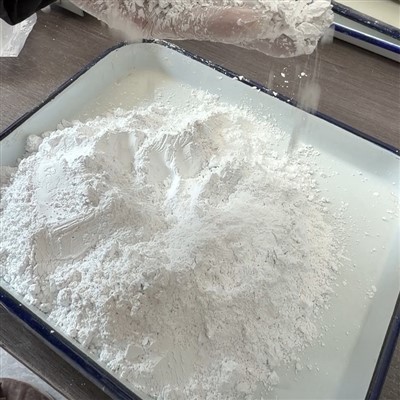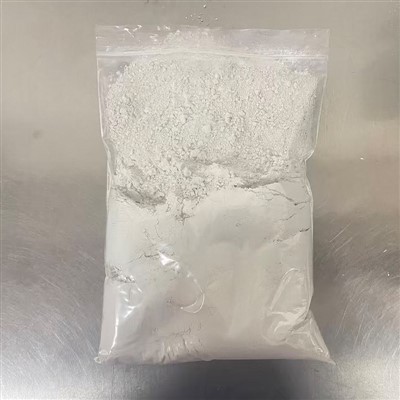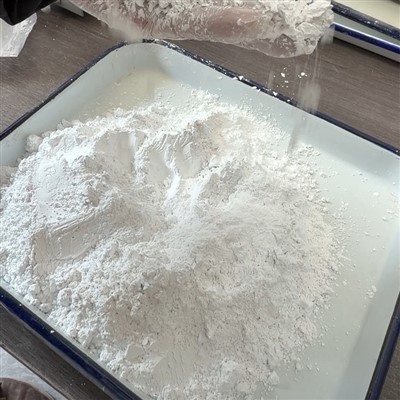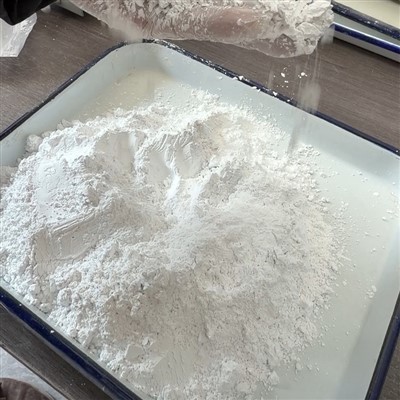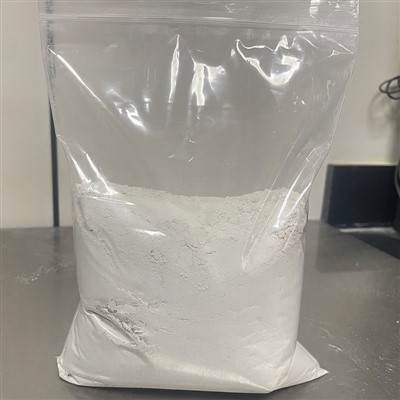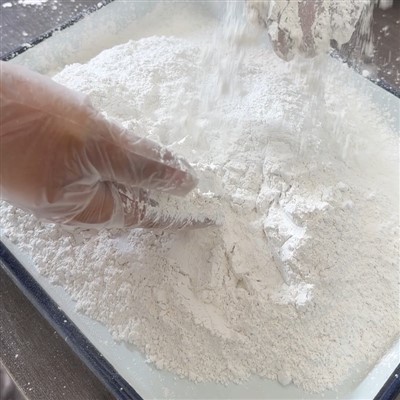
As a supplier of Composite Alkali Powder, I have a deep understanding of this product, its applications, and the potential hazards associated with it. In this blog, I will delve into the possible risks that users may face when dealing with Composite Alkali Powder.
Chemical Composition and Basic Properties
Composite Alkali Powder is a synthetic mixture that typically contains a combination of various alkaline substances. It is widely used in industries such as water treatment, paper - making, and textile processing. The main components usually include sodium hydroxide, sodium carbonate, and other alkaline compounds. These substances give the powder its strong alkaline properties, which are useful in many industrial processes.
Potential Hazards
1. Skin and Eye Irritation
One of the most immediate hazards of Composite Alkali Powder is its ability to cause severe irritation to the skin and eyes. When the powder comes into contact with the skin, it can react with the moisture on the skin surface, leading to chemical burns. The high pH of the powder can break down the skin's protective barrier, causing redness, pain, and in severe cases, blistering.
For the eyes, even a small amount of the powder can cause extreme pain, swelling, and potential damage to the cornea. If not treated promptly, it can lead to permanent vision impairment. According to safety data sheets, direct contact with the eyes should be treated as a medical emergency, and immediate flushing with copious amounts of water is required.
2. Respiratory Hazards
Inhalation of Composite Alkali Powder can be extremely dangerous. When the powder becomes airborne, it can be inhaled into the lungs. The alkaline particles can irritate the respiratory tract, causing coughing, wheezing, shortness of breath, and in severe cases, chemical pneumonitis. People with pre - existing respiratory conditions such as asthma or chronic obstructive pulmonary disease (COPD) are at an even higher risk.
Long - term exposure to the powder through inhalation may also lead to more serious health problems, including lung fibrosis. The fine particles of the powder can penetrate deep into the lungs and cause inflammation and scarring over time.
3. Ingestion Risks
Accidental ingestion of Composite Alkali Powder is a serious concern. The high alkalinity of the powder can cause severe damage to the digestive tract. It can burn the esophagus, stomach, and intestines, leading to pain, bleeding, and in some cases, perforation of the digestive organs. Ingestion of the powder requires immediate medical attention, and inducing vomiting is generally not recommended as it can cause further damage.
4. Environmental Hazards
Composite Alkali Powder can also have a significant impact on the environment. If it is released into water bodies, it can raise the pH of the water, making it alkaline. This can be harmful to aquatic life, as many aquatic organisms are sensitive to changes in pH. High - alkaline water can disrupt the ecological balance of rivers, lakes, and oceans, affecting the growth and survival of fish, plants, and other organisms.
In addition, improper disposal of the powder can contaminate soil. The alkaline substances in the powder can change the soil's chemical properties, making it less fertile and unsuitable for plant growth.
Safety Precautions
To minimize the potential hazards of Composite Alkali Powder, it is essential to take appropriate safety precautions.
1. Personal Protective Equipment (PPE)
When handling Composite Alkali Powder, workers should wear appropriate PPE, including gloves, goggles, and respiratory masks. Gloves should be made of materials that are resistant to alkaline substances, such as nitrile or neoprene. Goggles should provide full - face protection to prevent the powder from getting into the eyes. Respiratory masks should be capable of filtering out fine particles to protect the lungs.
2. Handling and Storage
The powder should be stored in a cool, dry place away from moisture and incompatible substances. It should be kept in tightly sealed containers to prevent leakage and dust generation. When handling the powder, it is important to use proper equipment, such as shovels and scoops, to avoid direct contact.
3. Emergency Response
Companies should have an emergency response plan in place in case of accidental exposure. This plan should include procedures for first - aid treatment, such as flushing the affected area with water, and contacting medical professionals. Workers should be trained on the emergency response procedures to ensure a quick and effective response.
Our Commitment as a Supplier
As a supplier of Composite Alkali Powder, we are committed to providing high - quality products and ensuring the safety of our customers. We provide detailed safety data sheets with each shipment, which include information on the potential hazards, safety precautions, and first - aid measures.
We also offer training and support to our customers on the proper handling and use of Composite Alkali Powder. Our technical team is available to answer any questions and provide guidance on safety issues.
Conclusion
Composite Alkali Powder is a useful industrial product, but it comes with potential hazards that need to be carefully managed. By understanding these hazards and taking appropriate safety precautions, users can minimize the risks and ensure a safe working environment.
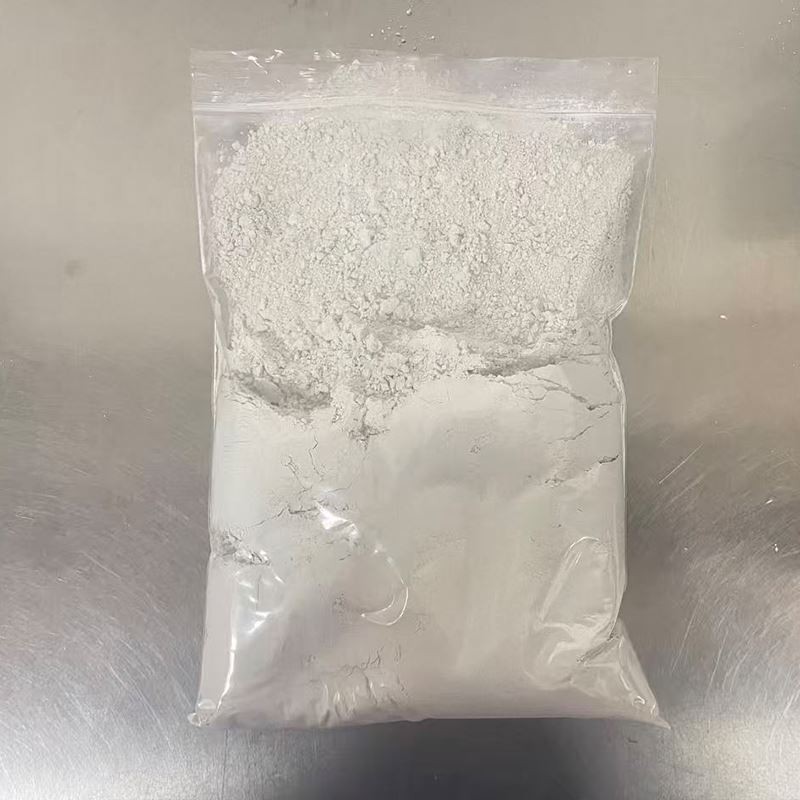
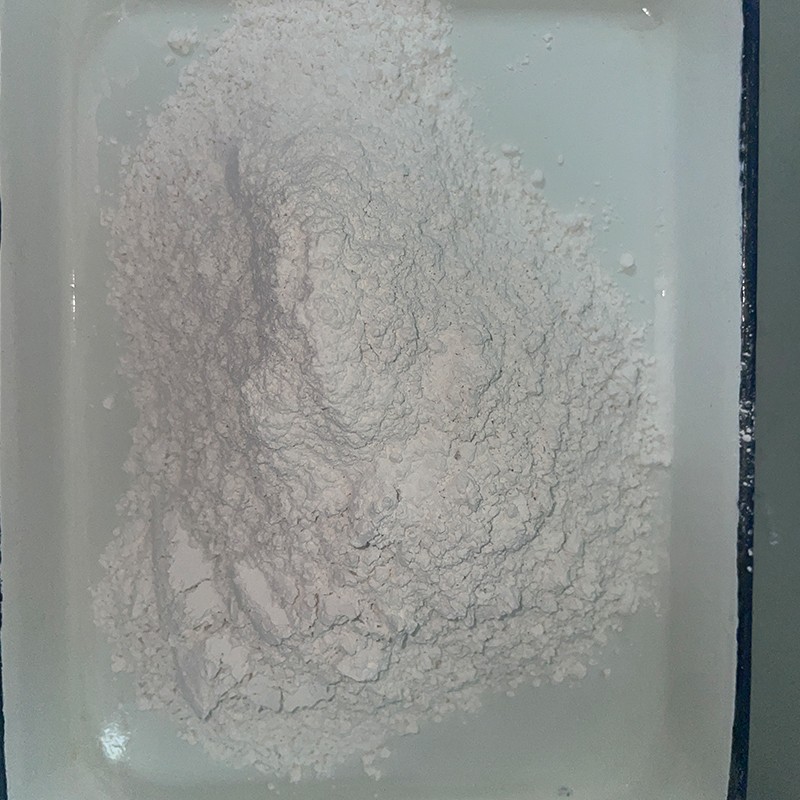
If you are interested in purchasing Composite Alkali Powder, Mixed Alkali Powder, or Alkali Composite Powder, please feel free to contact us for further discussions and procurement negotiations. We look forward to working with you to meet your industrial needs while ensuring safety and quality.
References
- Safety Data Sheets of Composite Alkali Powder
- Industrial Safety Guidelines for Handling Alkaline Substances
- Environmental Impact Studies on Alkaline Chemicals in Water and Soil