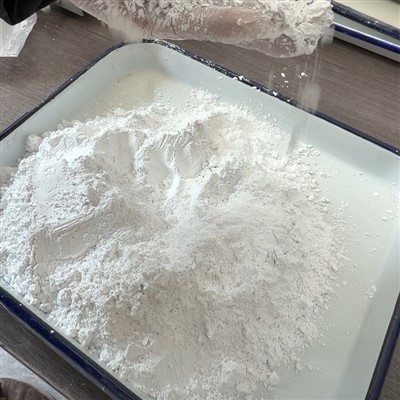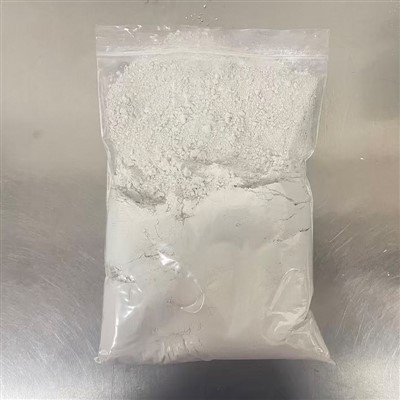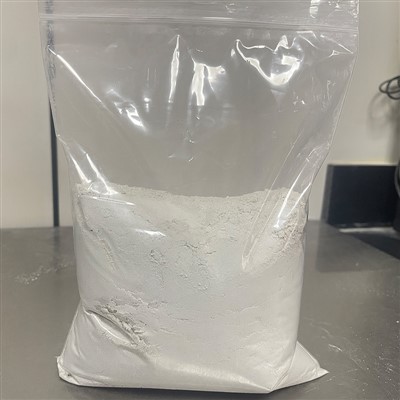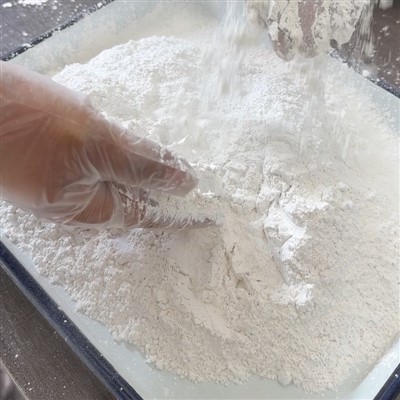
Hey there! As a supplier of Micronized Calcite Powder, I'm super stoked to chat about its dispersion properties. Micronized Calcite Powder is a fine - grained form of calcium carbonate, and understanding its dispersion is crucial for its various applications.
What is Dispersion?
Let's start with the basics. Dispersion is all about how well the particles of a substance spread out in a medium. In the case of Micronized Calcite Powder, we're often talking about how it disperses in liquids, like water or oil, or in solid matrices. When the powder disperses well, the individual particles are evenly distributed throughout the medium, which is key for getting the best performance out of the powder in different applications.
Factors Affecting Dispersion
There are a few factors that can have a big impact on the dispersion properties of Micronized Calcite Powder.
Particle Size
The size of the calcite particles plays a huge role. Our micronized powder has extremely small particles, usually in the micron range. Smaller particles tend to disperse more easily because they have a larger surface - to - volume ratio. This means there's more surface area for the medium to interact with, allowing the particles to spread out more evenly. For example, if you compare our micronized powder to coarser calcite powder, you'll notice that the micronized version will disperse much more quickly and uniformly in a liquid.
Surface Chemistry
The surface of the calcite particles can also affect dispersion. We treat our Micronized Calcite Powder to modify its surface chemistry. By doing this, we can make the particles more compatible with different media. For instance, if we're using the powder in an oil - based product, we can modify the surface to make it more hydrophobic (water - repelling) so that it disperses well in the oil. On the other hand, for water - based applications, we can make the surface more hydrophilic (water - attracting).
pH of the Medium
The pH of the medium where the powder is being dispersed is another important factor. Calcite is a carbonate, and its solubility and dispersion can be affected by the pH. In acidic conditions, calcite can react with the acid and dissolve to some extent. So, if you're using our Micronized Calcite Powder in an acidic medium, you need to be careful about how it will disperse and whether it might undergo chemical changes. In a neutral or slightly alkaline medium, the powder is more stable and will disperse better without significant chemical reactions.
Dispersion in Different Applications
Now, let's look at how the dispersion properties of Micronized Calcite Powder play out in different applications.
Paints and Coatings
In the paint and coating industry, good dispersion is essential. When our Micronized Calcite Powder is well - dispersed in paint, it can improve the paint's properties. It can enhance the opacity, making the paint cover better. It also helps with the flow and leveling of the paint, giving a smoother finish. For example, if the powder doesn't disperse well, you might end up with lumps in the paint, which can ruin the appearance of the painted surface. You can learn more about calcite in related applications by checking out Calcite Dust.
Plastics
In plastics, Micronized Calcite Powder is often used as a filler. When it disperses properly in the plastic matrix, it can improve the mechanical properties of the plastic, such as its strength and stiffness. It also helps with the processing of the plastic, making it easier to mold and shape. If the powder doesn't disperse well, it can lead to weak spots in the plastic, reducing its overall quality.
Cattle Feed
Our Micronized Calcite Powder is also used in cattle feed. Calcite Powder for Cattle Feed and Calcite Powder In Cattle Feed are important resources for understanding this application. In cattle feed, proper dispersion ensures that the calcium from the calcite is evenly distributed throughout the feed. This is crucial for the health of the cattle, as calcium is essential for bone development and other physiological functions. If the powder doesn't disperse well, some cattle might not get enough calcium, while others might get too much.


Testing Dispersion
To ensure that our Micronized Calcite Powder has good dispersion properties, we conduct various tests. One common test is the sedimentation test. We mix the powder in a liquid and observe how quickly the particles settle. If the particles settle too quickly, it means the dispersion is poor. Another test is the viscosity test. A well - dispersed powder will usually result in a more consistent viscosity of the medium. We also use microscopy to directly observe the distribution of the particles in the medium.
Improving Dispersion
If you're having trouble getting good dispersion with our Micronized Calcite Powder, there are a few things you can do. First, make sure you're using the right dispersing agents. These are chemicals that can help the particles spread out more easily. You can also adjust the mixing conditions, like the speed and time of mixing. Sometimes, a longer and more intense mixing process can improve dispersion.
Conclusion
In conclusion, the dispersion properties of Micronized Calcite Powder are super important for its performance in various applications. Whether it's in paints, plastics, or cattle feed, good dispersion ensures that you get the most out of the powder. As a supplier, we're committed to providing high - quality Micronized Calcite Powder with excellent dispersion properties.
If you're interested in using our Micronized Calcite Powder for your application, I'd love to have a chat with you. Let's talk about your specific needs and how our powder can meet them. Reach out to start a conversation about procurement and see how we can work together to make your products even better.
References
- ASTM standards related to powder dispersion testing
- Industry research papers on the use of calcite powder in different applications