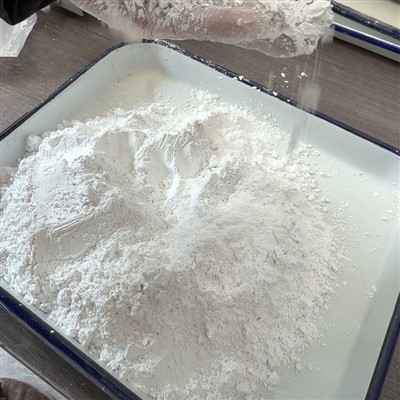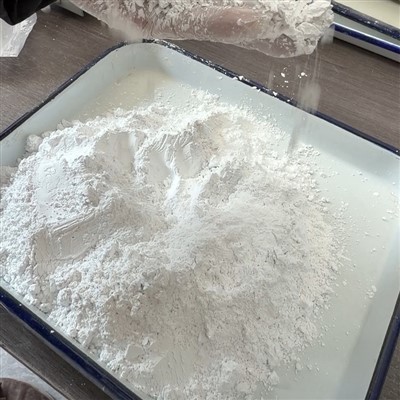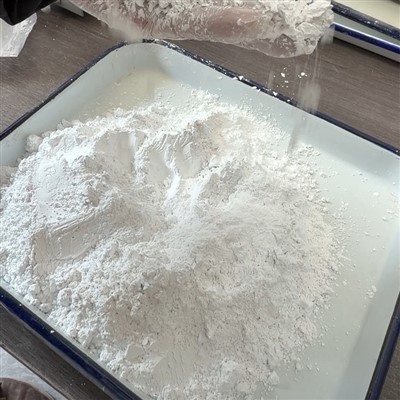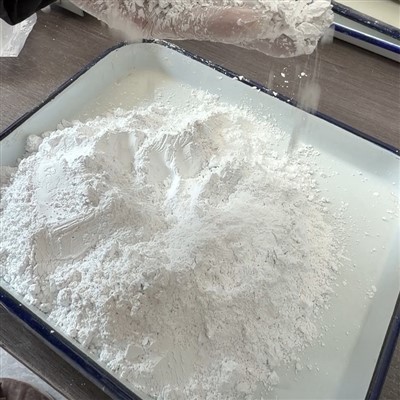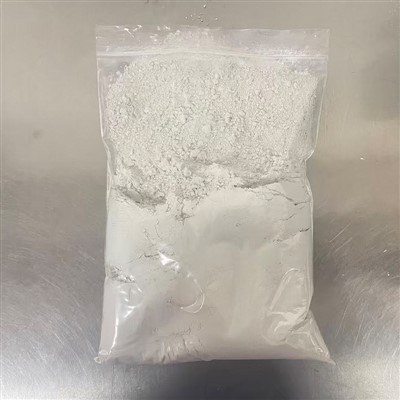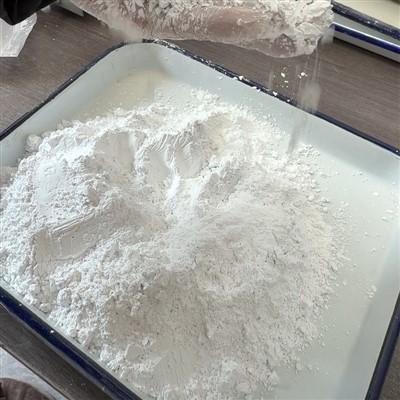
High purity calcite powder is a versatile and valuable material with a wide range of applications in various industries, including plastics, rubber, paints, coatings, and construction. As a leading supplier of High Purity Calcite Powder, I am often asked about the production process. In this blog post, I will take you through the step-by-step journey of how high purity calcite powder is produced.
Step 1: Mining
The production of high purity calcite powder begins with the extraction of calcite ore from mines. Calcite is a common mineral found in sedimentary rocks, and it can be mined using both surface and underground mining methods. Surface mining is typically used when the calcite deposit is close to the surface, while underground mining is employed for deeper deposits.
During the mining process, large chunks of calcite ore are extracted from the ground using heavy machinery such as bulldozers, excavators, and drills. The extracted ore is then transported to the processing plant for further treatment.
Step 2: Crushing
Once the calcite ore reaches the processing plant, it undergoes a crushing process to reduce its size. Crushing is an important step as it helps to break down the large chunks of ore into smaller, more manageable pieces. This makes it easier to handle and process the ore in subsequent steps.
There are several types of crushers used in the calcite powder production process, including jaw crushers, cone crushers, and impact crushers. The choice of crusher depends on the size and hardness of the ore, as well as the desired particle size of the final product.
Step 3: Grinding
After the crushing process, the calcite ore is further ground into a fine powder. Grinding is a crucial step in the production of high purity calcite powder as it determines the particle size and surface area of the powder. The finer the powder, the better its performance in various applications.
There are two main types of grinding mills used in the calcite powder production process: ball mills and Raymond mills. Ball mills are commonly used for large-scale production, while Raymond mills are more suitable for small to medium-scale production.
During the grinding process, the calcite ore is fed into the mill along with a grinding medium, such as steel balls or ceramic beads. The grinding medium helps to break down the ore into smaller particles by applying mechanical force. The mill is rotated at a high speed, causing the grinding medium to collide with the ore particles and break them down.
Step 4: Classification
Once the calcite ore has been ground into a fine powder, it needs to be classified to ensure that the particle size meets the required specifications. Classification is the process of separating the powder into different particle size fractions based on their size and density.
There are several methods of classification, including screening, air classification, and sedimentation. Screening is the most common method used in the calcite powder production process. It involves passing the powder through a series of screens with different mesh sizes to separate the particles based on their size.
Air classification is another method used to classify the calcite powder. It involves using a stream of air to separate the particles based on their size and density. The powder is fed into an air classifier, where the particles are carried by the air stream and separated into different fractions based on their size.
Sedimentation is a method of classification that involves allowing the powder to settle in a liquid medium. The particles with a higher density will settle faster than the particles with a lower density, allowing them to be separated based on their size and density.
Step 5: Purification
To produce high purity calcite powder, the ground and classified powder needs to be purified to remove any impurities. Purification is an important step as it helps to improve the quality and performance of the powder in various applications.
There are several methods of purification, including magnetic separation, flotation, and chemical treatment. Magnetic separation is a method of purification that involves using a magnetic field to separate the magnetic impurities from the calcite powder. Flotation is a method of purification that involves using chemicals to separate the impurities from the calcite powder. Chemical treatment is a method of purification that involves using chemicals to react with the impurities and remove them from the calcite powder.
Step 6: Packaging
Once the calcite powder has been purified, it is ready to be packaged and shipped to customers. Packaging is an important step as it helps to protect the powder from damage and contamination during transportation and storage.
There are several types of packaging materials used for calcite powder, including bags, drums, and bulk containers. The choice of packaging material depends on the quantity and size of the powder, as well as the transportation and storage requirements.
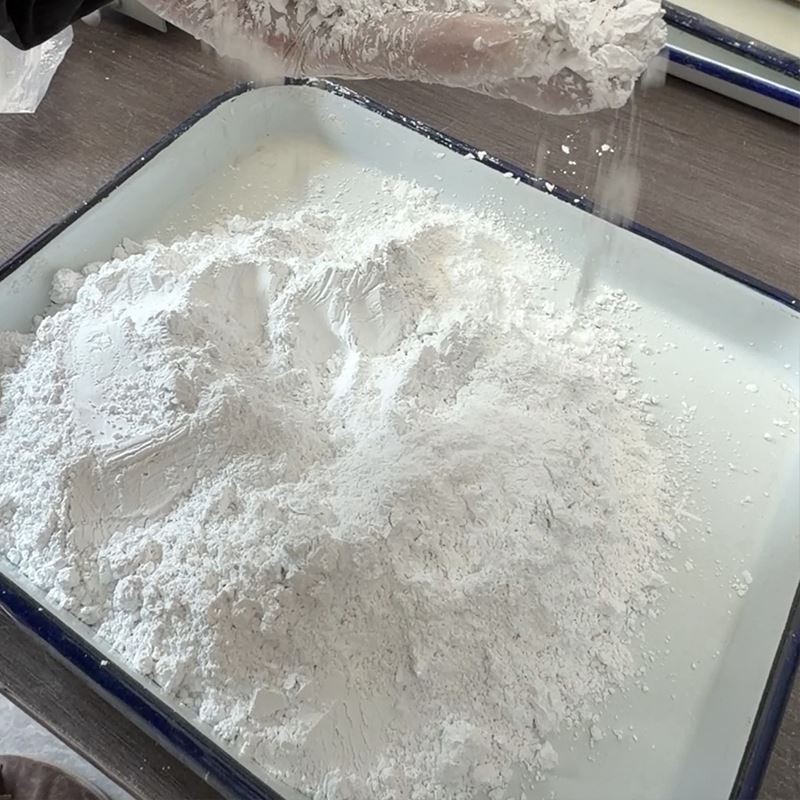
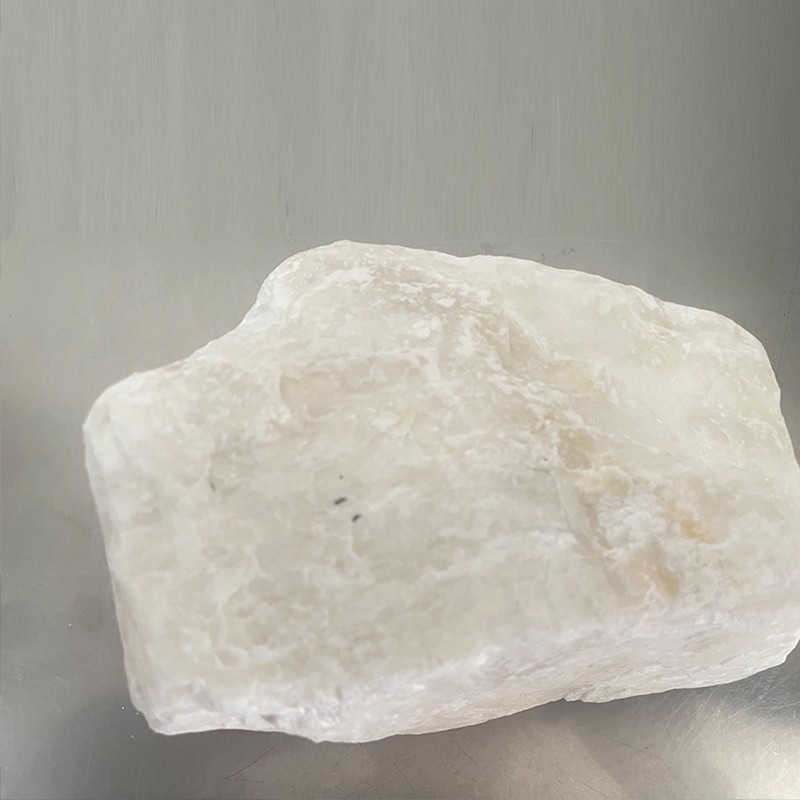
Applications of High Purity Calcite Powder
High purity calcite powder has a wide range of applications in various industries, including:
- Plastics: High purity calcite powder is used as a filler in plastics to improve their strength, stiffness, and dimensional stability. It also helps to reduce the cost of the plastic products.
- Rubber: High purity calcite powder is used as a filler in rubber to improve its mechanical properties, such as tensile strength, tear strength, and abrasion resistance. It also helps to reduce the cost of the rubber products.
- Paints and Coatings: High purity calcite powder is used as a pigment and filler in paints and coatings to improve their hiding power, gloss, and durability. It also helps to reduce the cost of the paint and coating products.
- Construction: High purity calcite powder is used as a filler in construction materials, such as cement, concrete, and mortar, to improve their strength, workability, and durability. It also helps to reduce the cost of the construction materials.
Contact Us for High Purity Calcite Powder
If you are interested in purchasing high purity calcite powder for your business, please contact us. We are a leading supplier of High Purity Calcite Powder, Calcite Fine Powder, and Natural Calcite Powder. Our products are of the highest quality and are available in a variety of particle sizes and grades to meet your specific requirements.
We offer competitive prices, excellent customer service, and fast delivery. Whether you need a small quantity of calcite powder for a research project or a large quantity for industrial production, we can provide you with the right solution.
References
- Handbook of Mineral Dressing, by A. M. Gaudin
- Mineral Processing Technology, by B. A. Wills and T. A. Napier-Munn
- Chemical Engineering Handbook, by Perry and Green