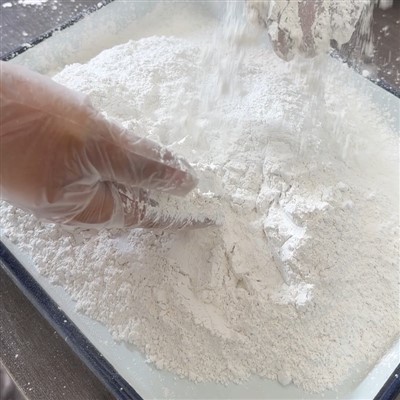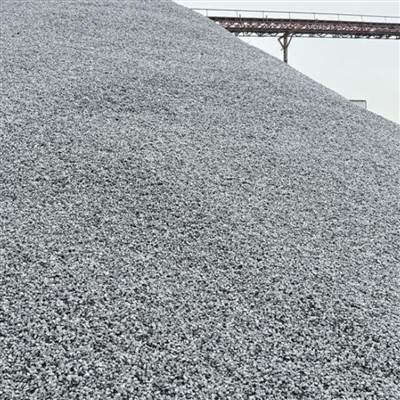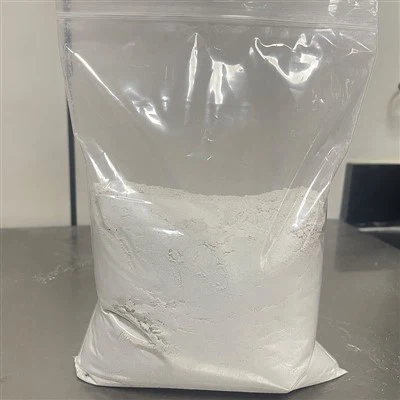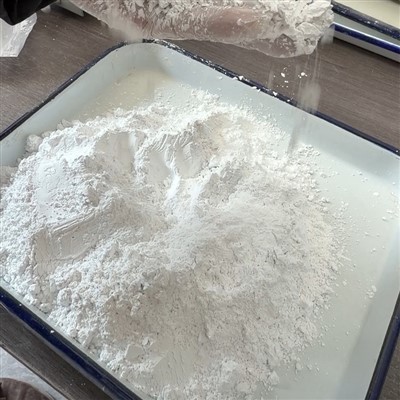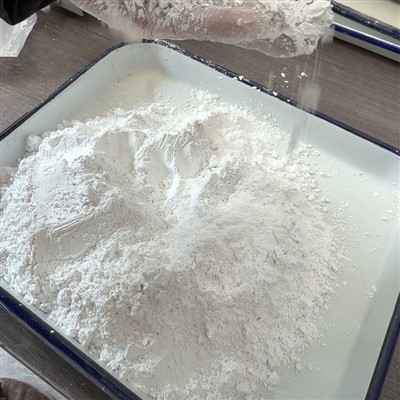
In the realm of construction and chemical industries, the quest for high - quality raw materials is a never - ending journey. As a supplier of Dry Lime Powder Chemical, I am often asked about the viability of using dry lime powder in chemical cement production. This blog post aims to explore this topic in depth, shedding light on the scientific aspects, potential benefits, and challenges associated with incorporating dry lime powder into the cement - making process.
Understanding the Basics of Cement Production
Cement is a crucial building material that binds aggregates together to form concrete. The most common type of cement, Portland cement, is produced by heating limestone (calcium carbonate, CaCO₃) and other raw materials such as clay, shale, and iron ore in a kiln at high temperatures (around 1450°C). During this process, the limestone decomposes into calcium oxide (CaO), also known as quicklime, and carbon dioxide (CO₂). The quicklime then reacts with the other raw materials to form clinker, which is ground into a fine powder to produce cement.
The Role of Lime in Cement Production
Lime has long been recognized as an essential component in cement production. It provides the calcium ions necessary for the formation of various cementitious compounds. In traditional cement production, limestone is the primary source of lime. However, dry lime powder can also be used as an alternative or supplementary material.
Dry lime powder, which is often in the form of calcium hydroxide (Ca(OH)₂) or quicklime (CaO), can offer several advantages in cement production. When used in the right proportions, it can enhance the reactivity of the cement, improve the strength and durability of the final product, and reduce the energy consumption during the production process.
Advantages of Using Dry Lime Powder in Cement Production
- Enhanced Reactivity: Dry lime powder can increase the reactivity of the cement by providing a readily available source of calcium ions. This can accelerate the hydration process, which is the chemical reaction between cement and water that leads to the hardening of the concrete. As a result, the concrete can achieve higher early - age strength, reducing the time required for construction projects.
- Improved Durability: The addition of dry lime powder can enhance the durability of the cement by improving its resistance to chemical attacks, such as sulfate and chloride ions. This is particularly important in environments where the concrete is exposed to harsh chemicals, such as in marine or industrial settings.
- Energy Efficiency: Using dry lime powder can potentially reduce the energy consumption during cement production. Since dry lime powder is already in a reactive form, it requires less energy to be incorporated into the cement compared to limestone, which needs to be heated to a high temperature to decompose into quicklime.
Challenges and Considerations
While dry lime powder offers several advantages in cement production, there are also some challenges and considerations that need to be addressed.
- Quality Control: The quality of dry lime powder can vary significantly depending on the source and production process. It is essential to ensure that the dry lime powder meets the required specifications for cement production, including its chemical composition, particle size, and reactivity.
- Dosage and Mixing: The correct dosage of dry lime powder is crucial to achieve the desired properties of the cement. Too much or too little dry lime powder can have a negative impact on the strength and durability of the concrete. Additionally, proper mixing is required to ensure that the dry lime powder is evenly distributed throughout the cement mixture.
- Environmental Impact: Although using dry lime powder can reduce energy consumption, the production of dry lime powder itself may have environmental implications. For example, the extraction and processing of limestone to produce dry lime powder can generate dust and greenhouse gas emissions. Therefore, it is important to consider the environmental impact of using dry lime powder in cement production and take appropriate measures to minimize it.
Applications of Builders Lime Powder and Dry Hydrated Lime in Cement
In addition to dry lime powder, Builders Lime Powder and Dry Hydrated Lime can also be used in cement production. Builders lime powder, which is typically a form of hydrated lime, is often used in masonry work and plastering. It can improve the workability and adhesion of the mortar, making it easier to apply and ensuring a better bond between the bricks or blocks.
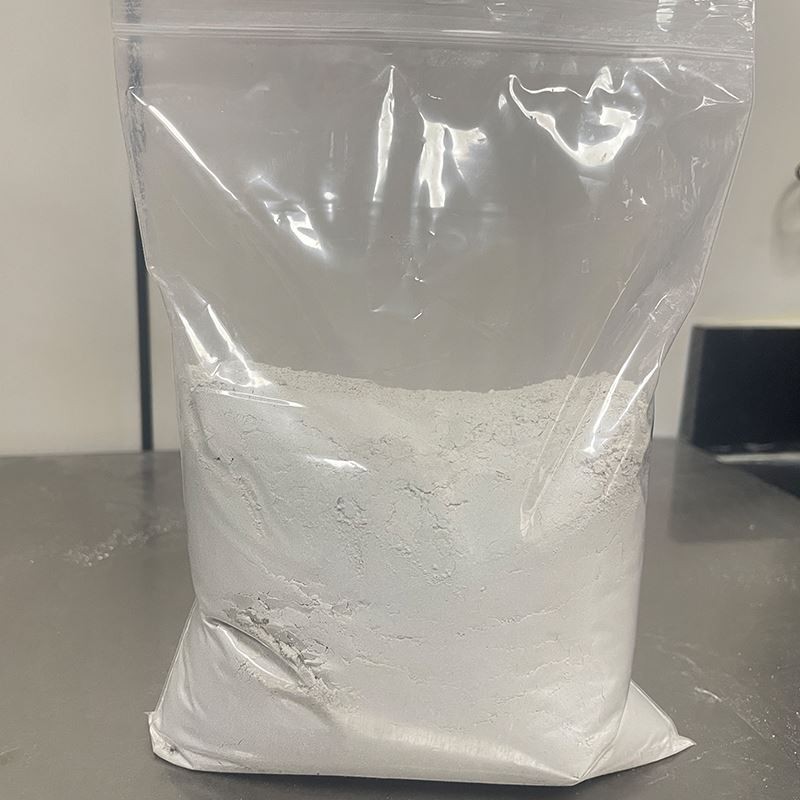
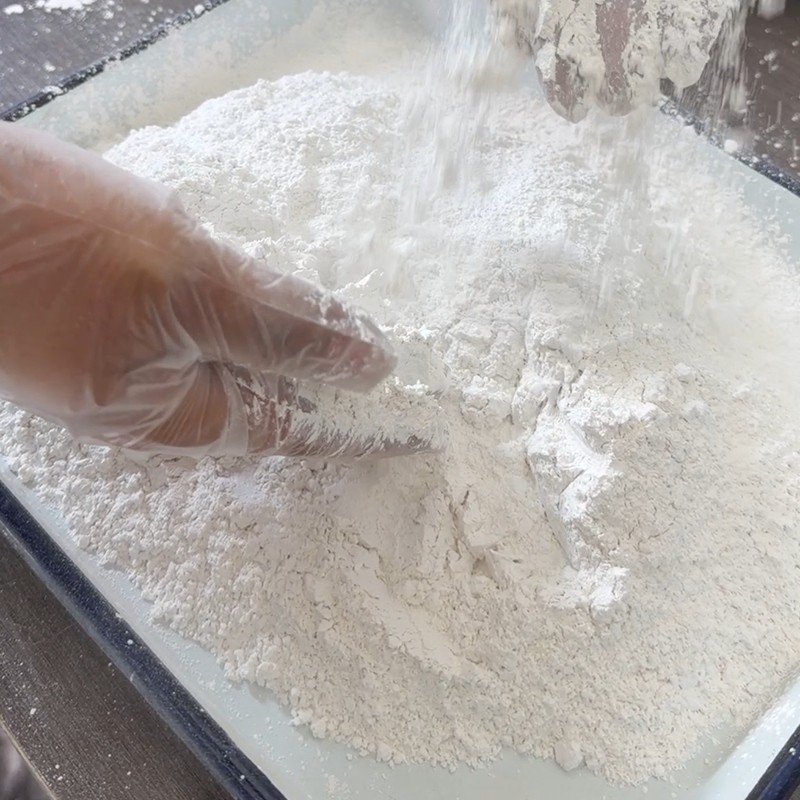
Dry hydrated lime, on the other hand, can be used as a supplementary cementitious material. It can react with the calcium hydroxide produced during the hydration of cement to form additional cementitious compounds, further enhancing the strength and durability of the concrete.
Conclusion
In conclusion, dry lime powder can be a valuable addition to the chemical cement production process. It offers several advantages, including enhanced reactivity, improved durability, and energy efficiency. However, it is important to address the challenges and considerations associated with its use, such as quality control, dosage, and environmental impact.
If you are in the construction or chemical industry and are interested in using dry lime powder, Builders Lime Powder, or Dry Hydrated Lime in your cement production, I encourage you to reach out to discuss your specific needs. Our team of experts is ready to provide you with high - quality products and technical support to ensure the success of your projects.
References
- Neville, A. M. (1995). Properties of Concrete. Pearson Education.
- Mehta, P. K., & Monteiro, P. J. M. (2013). Concrete: Microstructure, Properties, and Materials. McGraw - Hill.
- Mindess, S., Young, J. F., & Darwin, D. (2003). Concrete. Prentice Hall.