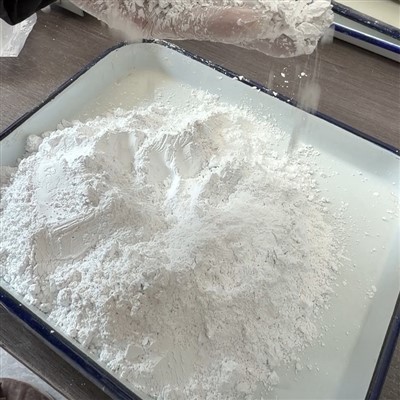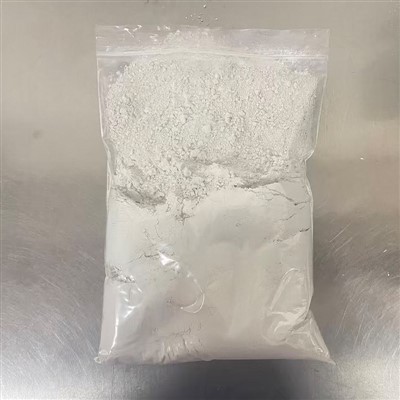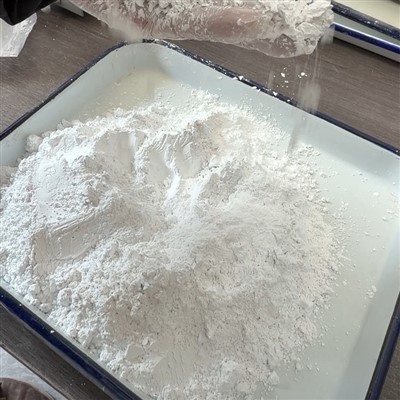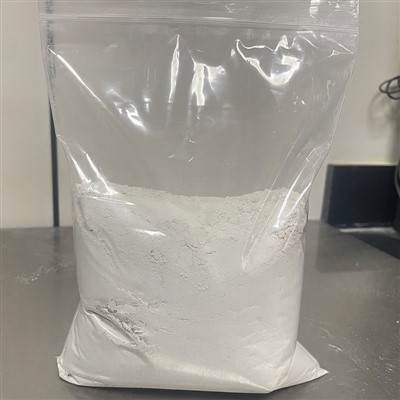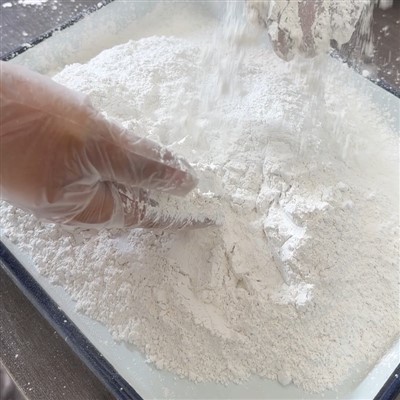
Hey there! As a supplier of Micronized Calcite Powder, I'm super excited to share with you all about its surface properties. Calcite, a common mineral, is widely used in various industries, and micronizing it takes its applications to a whole new level.
Particle Size and Shape
One of the key surface properties of micronized calcite powder is its particle size. The powder is made up of extremely small particles, usually in the micron range. This fine particle size gives the powder a large surface area relative to its volume. Think of it like a bunch of tiny building blocks. The smaller the blocks, the more surface area they have when you stack them up.
The shape of the particles also plays a crucial role. Micronized calcite particles can have different shapes, such as spherical, cubic, or irregular. Spherical particles tend to have better flow properties, which means they can move more easily through processing equipment. Cubic particles, on the other hand, may offer better packing density, which can be important in applications where space is limited. Irregularly shaped particles can provide unique surface characteristics that can enhance certain properties of the final product.
Surface Chemistry
The surface chemistry of micronized calcite powder is another important aspect. Calcite is a calcium carbonate mineral, and its surface has certain chemical groups that can interact with other substances. For example, the surface of calcite can have hydroxyl groups (-OH) that can form hydrogen bonds with other molecules. This can be useful in applications where adhesion or compatibility with other materials is required.
The surface charge of the calcite particles also matters. Depending on the processing conditions and the presence of impurities, the particles can have a positive or negative surface charge. This charge can affect how the particles interact with each other and with other substances in a mixture. For instance, if the particles have a positive charge, they may be attracted to negatively charged substances, and vice versa.
Surface Roughness
Surface roughness is yet another surface property of micronized calcite powder. The roughness of the particle surface can influence the way the powder behaves in different applications. A rough surface can provide more contact points for other substances, which can improve adhesion and mechanical properties. For example, in coatings, a rough surface can help the coating adhere better to the substrate.
On the other hand, a smooth surface can reduce friction and improve the flow properties of the powder. This can be beneficial in applications where the powder needs to be easily transported or processed. The surface roughness can be controlled during the micronization process by adjusting the grinding parameters and the type of equipment used.
Applications Based on Surface Properties
The unique surface properties of micronized calcite powder make it suitable for a wide range of applications. Let's take a look at some of the common applications:
Plastics Industry
In the plastics industry, micronized calcite powder is often used as a filler. Its small particle size and large surface area allow it to be well-dispersed in the plastic matrix. The surface chemistry of the calcite particles can also improve the adhesion between the filler and the plastic, which can enhance the mechanical properties of the plastic product. For example, it can increase the stiffness and impact resistance of the plastic.
Paints and Coatings
In paints and coatings, micronized calcite powder can be used as a pigment extender. Its surface roughness can help the paint adhere better to the surface, and its high whiteness can improve the color and opacity of the paint. The surface charge of the particles can also affect the stability of the paint formulation.
Paper Industry
In the paper industry, micronized calcite powder is used as a filler and a coating pigment. Its small particle size can improve the smoothness and brightness of the paper. The surface properties of the calcite particles can also affect the ink absorption and printability of the paper.
Agriculture
Micronized calcite powder is also used in agriculture. For example, it can be used as a calcium supplement in Calcite Powder for Cattle Feed and Calcite Powder for Cow. The surface properties of the powder can affect its bioavailability, which is important for the health of the animals.
Quality Control and Surface Properties
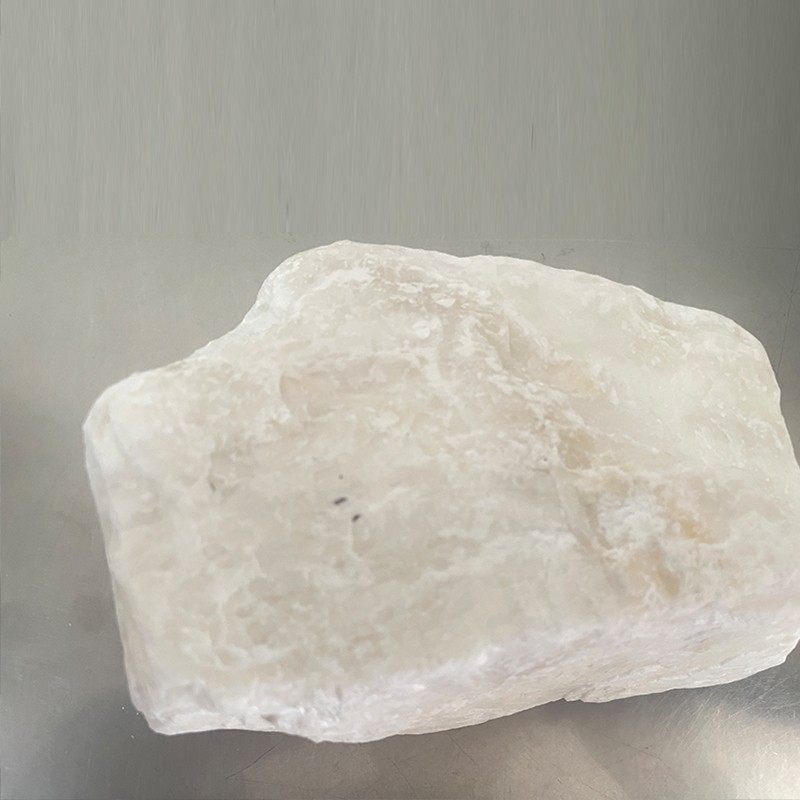
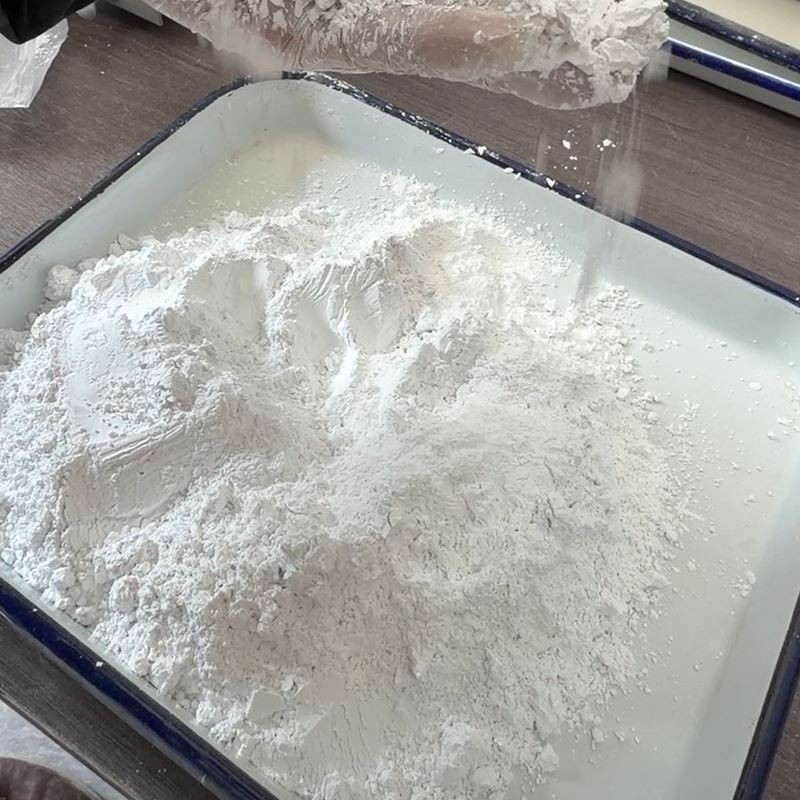
As a supplier of micronized calcite powder, we pay close attention to the surface properties of our products. We use advanced testing methods to ensure that the particle size, shape, surface chemistry, and roughness meet the requirements of our customers. For example, we use laser diffraction to measure the particle size distribution, scanning electron microscopy to observe the particle shape, and zeta potential analysis to determine the surface charge.
We also work closely with our customers to understand their specific needs and provide customized solutions. Whether you need a powder with a specific particle size, surface chemistry, or roughness, we can tailor our products to meet your requirements.
Conclusion
In conclusion, the surface properties of micronized calcite powder are crucial for its performance in various applications. The particle size, shape, surface chemistry, and roughness all play important roles in determining how the powder behaves in different environments. As a supplier, we are committed to providing high-quality micronized calcite powder with consistent surface properties.
If you're interested in using micronized calcite powder in your industry, I'd love to have a chat with you. We can discuss your specific requirements and see how our products can meet your needs. Don't hesitate to reach out and start a conversation about potential procurement.
References
- Smith, J. (2018). "Surface Properties of Minerals and Their Impact on Industrial Applications." Journal of Materials Science, 43(12), 4567-4575.
- Johnson, A. (2019). "Micronized Minerals in the Plastics Industry: A Review." Polymer Engineering and Science, 59(3), 234-245.
- Brown, C. (2020). "The Role of Surface Chemistry in Paint and Coating Formulations." Journal of Coatings Technology and Research, 17(4), 678-689.