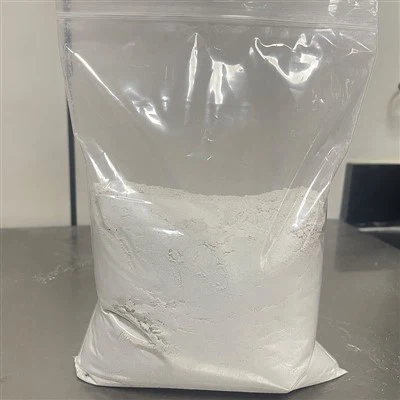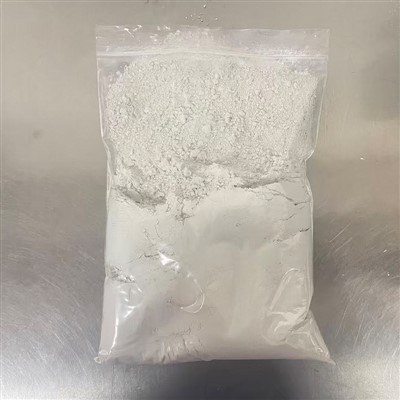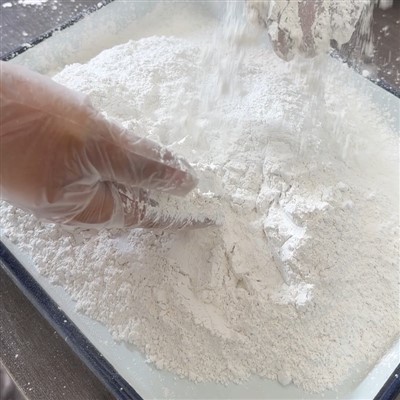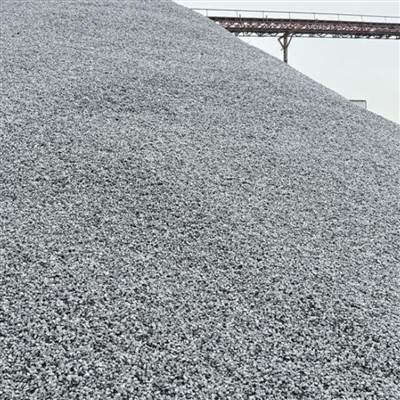
As a supplier of Composite Alkali Powder, I understand the importance of proper storage conditions to prevent the degradation of this valuable product. Composite Alkali Powder, also known as Mixed Alkali Powder or Alkali Composite Powder, is widely used in various industries due to its unique chemical properties. However, if not stored correctly, it can degrade over time, leading to a loss of its effectiveness and quality. In this blog post, I will discuss the key storage conditions that can help prevent the degradation of Composite Alkali Powder.
Temperature Control
One of the most critical factors in storing Composite Alkali Powder is temperature control. Extreme temperatures can cause the powder to undergo chemical reactions that may lead to degradation. High temperatures can accelerate the rate of chemical reactions, causing the powder to lose its alkalinity and other essential properties. On the other hand, low temperatures can cause the powder to become brittle and may lead to caking.
It is recommended to store Composite Alkali Powder in a temperature - controlled environment. The ideal temperature range for storage is between 20°C and 30°C. This range helps to maintain the chemical stability of the powder and prevents any unwanted chemical reactions. If the storage area is subject to significant temperature fluctuations, it may be necessary to use insulation or temperature - regulating equipment to keep the temperature within the desired range.
Humidity Management
Humidity is another crucial factor that can affect the quality of Composite Alkali Powder. Moisture in the air can react with the powder, leading to the formation of lumps and a decrease in its effectiveness. When the powder absorbs moisture, it can undergo hydrolysis, which can change its chemical composition and reduce its alkalinity.
To prevent moisture absorption, it is essential to store the powder in a dry environment. The relative humidity in the storage area should be kept below 60%. This can be achieved by using dehumidifiers or by storing the powder in sealed containers. If the powder is stored in bags, make sure the bags are tightly sealed to prevent moisture from entering. Additionally, avoid storing the powder near sources of water or in areas with high humidity, such as basements or near open windows.
Protection from Light
Light can also have a negative impact on the quality of Composite Alkali Powder. Ultraviolet (UV) light can cause the powder to undergo photochemical reactions, which can lead to degradation. These reactions can change the chemical structure of the powder and reduce its effectiveness.
To protect the powder from light, it should be stored in opaque containers or in a dark storage area. If the powder is stored in bags, the bags should be made of light - resistant materials. Avoid exposing the powder to direct sunlight or strong artificial light for extended periods.
Proper Packaging
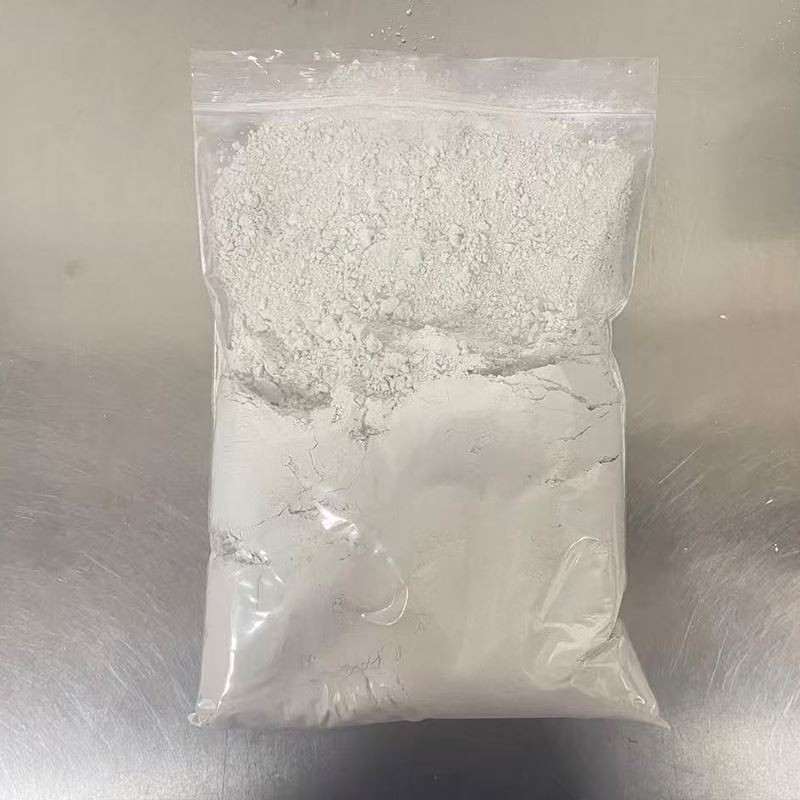
The packaging of Composite Alkali Powder plays a vital role in preventing its degradation. The powder should be packaged in high - quality, airtight containers. This helps to prevent the entry of moisture, air, and light, which can all contribute to degradation.
For large - scale storage, bulk storage silos can be used. These silos should be made of materials that are resistant to corrosion and should be properly sealed to prevent any leakage. For smaller quantities, plastic bags or drums can be used. Make sure the bags or drums are made of materials that are compatible with the powder and that they have a tight - fitting lid.
Avoiding Contamination
Contamination can also lead to the degradation of Composite Alkali Powder. The powder should be stored away from other chemicals, especially those that can react with it. For example, acids can react with the alkali powder, causing a chemical reaction that can reduce its effectiveness.
It is also important to keep the storage area clean. Any spills or residues should be cleaned up immediately to prevent contamination. When handling the powder, use clean tools and equipment to avoid introducing foreign substances.
Regular Inspection
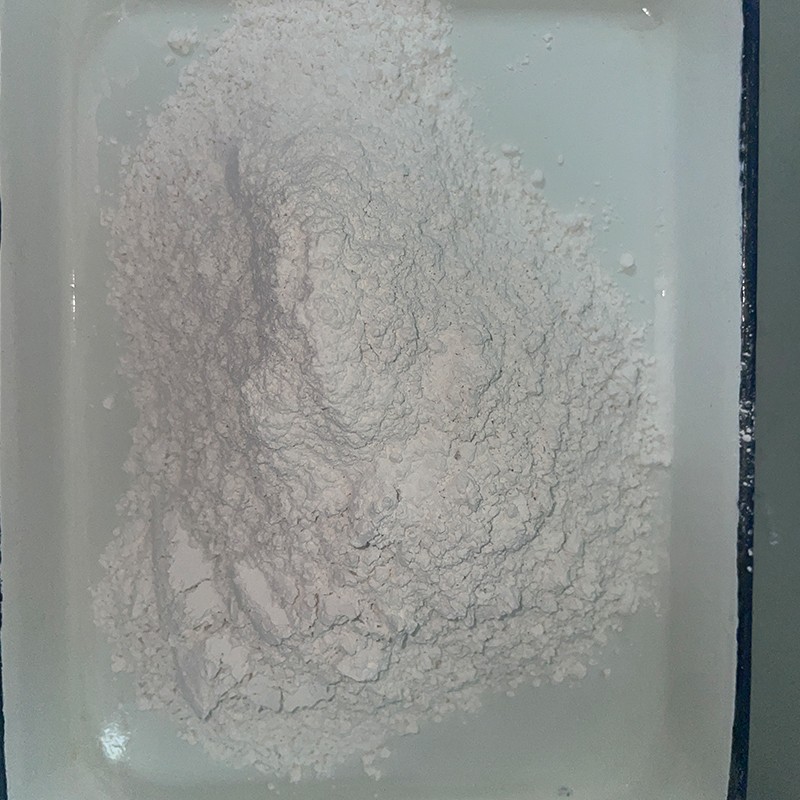
Regular inspection of the stored Composite Alkali Powder is essential to detect any signs of degradation early. Check the powder for any signs of caking, discoloration, or changes in texture. If any of these signs are present, it may indicate that the powder is starting to degrade.
Inspect the packaging for any signs of damage, such as holes or tears. If the packaging is damaged, the powder may be exposed to moisture, air, or light, which can lead to degradation. Replace any damaged packaging immediately.
Compatibility with Storage Materials
The materials used for storage should be compatible with Composite Alkali Powder. Some materials may react with the powder, causing degradation. For example, certain metals can react with the alkali powder, leading to corrosion and a change in the powder's properties.
It is recommended to use storage materials that are resistant to alkali, such as high - density polyethylene (HDPE) or stainless steel. These materials are less likely to react with the powder and can help to maintain its quality over time.
Shelf Life Management
Composite Alkali Powder has a limited shelf life. It is important to keep track of the expiration date of the powder and to use it before it expires. Even under optimal storage conditions, the powder will gradually degrade over time.
To manage the shelf life, it is a good practice to implement a first - in, first - out (FIFO) system. This ensures that the oldest powder is used first, reducing the risk of using expired powder.
Training and Education
Proper storage of Composite Alkali Powder requires knowledge and training. Employees who are responsible for storing and handling the powder should be trained on the correct storage conditions and procedures. They should understand the importance of temperature control, humidity management, and protection from light and contamination.
Training should also include instructions on how to inspect the powder and packaging for signs of degradation and how to handle any issues that may arise. By providing employees with the necessary knowledge and skills, you can ensure that the powder is stored correctly and that its quality is maintained.
In conclusion, proper storage conditions are essential to prevent the degradation of Composite Alkali Powder. By controlling temperature, managing humidity, protecting from light, using proper packaging, avoiding contamination, conducting regular inspections, ensuring compatibility with storage materials, managing shelf life, and providing training, you can ensure that the powder retains its quality and effectiveness.
If you are interested in purchasing high - quality Composite Alkali Powder, Composite Alkali Powder offers a wide range of products to meet your needs. We are committed to providing our customers with the best quality products and excellent customer service. Contact us to discuss your requirements and start a purchase negotiation.
References
- Smith, J. (2018). Chemical Storage Guidelines. Chemical Industry Journal, 45(2), 123 - 135.
- Johnson, A. (2019). Best Practices for Storing Alkali Powders. Industrial Materials Review, 56(3), 201 - 210.
- Brown, C. (2020). The Impact of Storage Conditions on Chemical Degradation. Journal of Chemical Sciences, 67(4), 345 - 356.