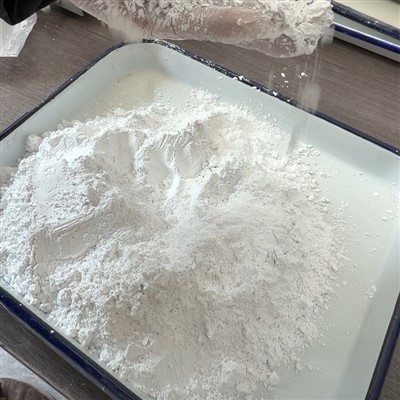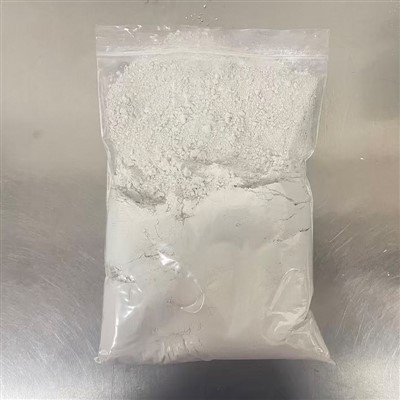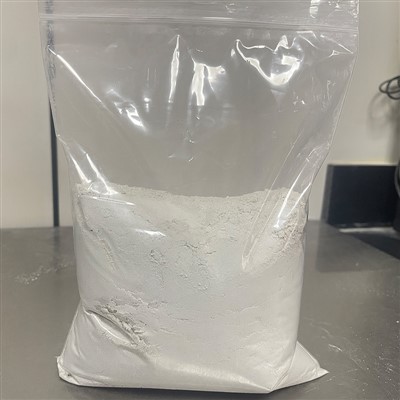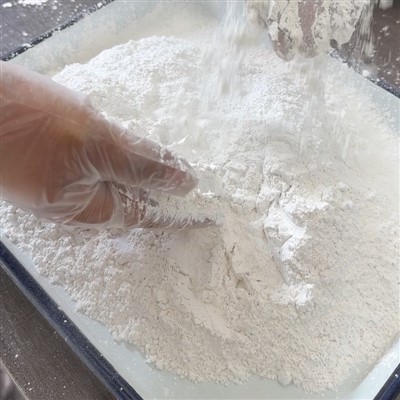
Synthetic alkali powder plays a crucial role in the glass - making industry. As a supplier of synthetic alkali powder, I have witnessed firsthand how this material has transformed the glass - production process. In this blog, I will delve into the various roles of synthetic alkali powder in glass - making.
Fluxing Agent
One of the primary roles of synthetic alkali powder in glass - making is as a fluxing agent. In glass production, the raw materials, such as silica sand, are heated to extremely high temperatures to form a molten mass. Silica has a very high melting point (around 1710°C), which makes it difficult and energy - intensive to melt. Synthetic alkali powder, typically containing sodium carbonate (soda ash) or potassium carbonate, lowers the melting point of silica.
When added to the glass batch, the alkali powder reacts with silica at high temperatures. The alkali metal ions from the powder break the strong silicon - oxygen bonds in silica, reducing the viscosity of the molten glass. This allows the glass to melt at a lower temperature, usually around 1400 - 1500°C. As a result, less energy is required for the melting process, leading to significant cost savings in glass production. For example, in large - scale glass manufacturing plants, the use of synthetic alkali powder as a flux can reduce energy consumption by a substantial margin.
Moreover, a lower melting temperature also means a shorter melting time. This increases the production efficiency of glass, allowing manufacturers to produce more glass in a given period. It also reduces the wear and tear on the melting equipment, such as furnaces, which can extend the lifespan of the machinery and reduce maintenance costs.
Adjusting Glass Properties
Synthetic alkali powder also plays a vital role in adjusting the physical and chemical properties of glass. Different types of glass require specific properties depending on their intended use. For instance, window glass needs to be transparent, have good strength, and be resistant to weathering.
The alkali content in the glass affects its refractive index. By adjusting the amount of synthetic alkali powder in the glass batch, glass manufacturers can control the refractive index of the glass. A higher alkali content generally results in a higher refractive index, which can be useful in applications such as optical lenses.
Alkali also influences the thermal expansion coefficient of glass. Glass with a low thermal expansion coefficient is less likely to crack when exposed to temperature changes. By carefully selecting the type and amount of synthetic alkali powder, manufacturers can produce glass with a suitable thermal expansion coefficient for different applications. For example, borosilicate glass, which is known for its low thermal expansion, often contains a specific combination of alkali and boron compounds.
In addition, the alkali in glass can affect its chemical resistance. Glass with a proper alkali content can be more resistant to chemical attack, making it suitable for use in laboratory glassware or chemical storage containers.
Promoting Homogeneity
Another important role of synthetic alkali powder is to promote homogeneity in the glass melt. During the melting process, the raw materials need to be thoroughly mixed to ensure a uniform glass product. The presence of synthetic alkali powder helps to disperse the other components in the glass batch more evenly.
The alkali ions in the powder interact with the various oxides and minerals in the glass batch, breaking them down into smaller particles and facilitating their mixing. This results in a more homogeneous molten glass, which in turn leads to a more consistent final glass product. A homogeneous glass has fewer defects, such as bubbles or streaks, and has better optical and mechanical properties.
Cost - Effective Solution
As a supplier of synthetic alkali powder, I understand the importance of cost - effectiveness in the glass - making industry. Synthetic alkali powder is a relatively inexpensive raw material compared to some other additives used in glass production. It provides a cost - effective way to achieve the desired properties in glass.
Manufacturers can use synthetic alkali powder to replace more expensive materials without sacrificing the quality of the glass. For example, instead of using pure sodium carbonate, which can be costly, a composite alkali powder, such as the Industrial Composite Alkali Powder, can be used. These composite powders are formulated to provide similar performance at a lower cost.
Quality and Consistency
Our company takes pride in providing high - quality synthetic alkali powder. We ensure that our products meet strict quality standards, which is crucial for glass manufacturers. Consistent quality of the alkali powder is essential for producing glass with consistent properties.
We use advanced manufacturing processes to produce synthetic alkali powder with a uniform particle size and chemical composition. This ensures that the powder behaves predictably in the glass - making process, allowing manufacturers to achieve the desired results every time.
Types of Synthetic Alkali Powder
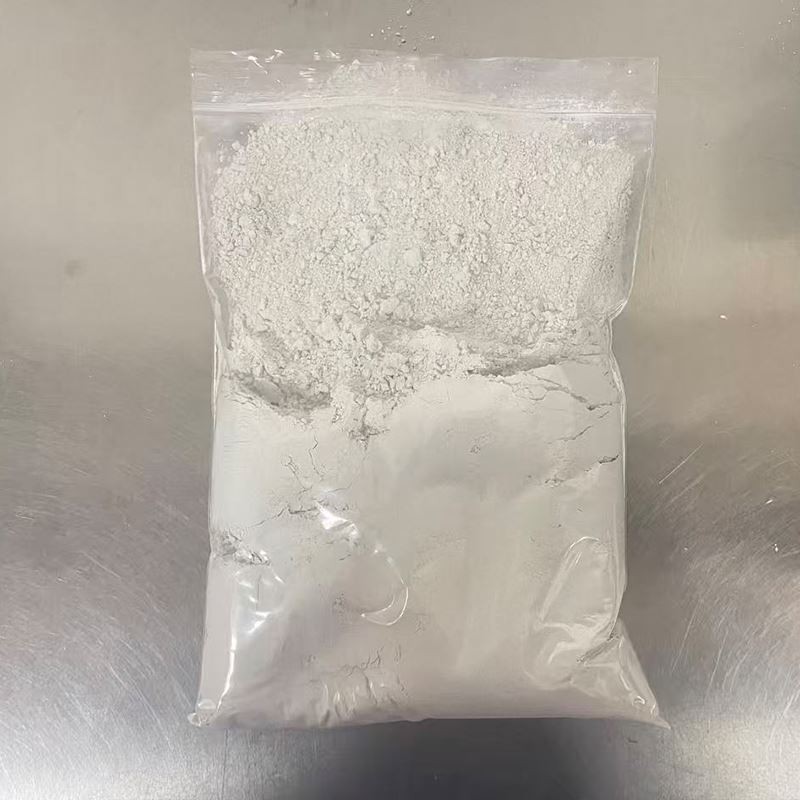
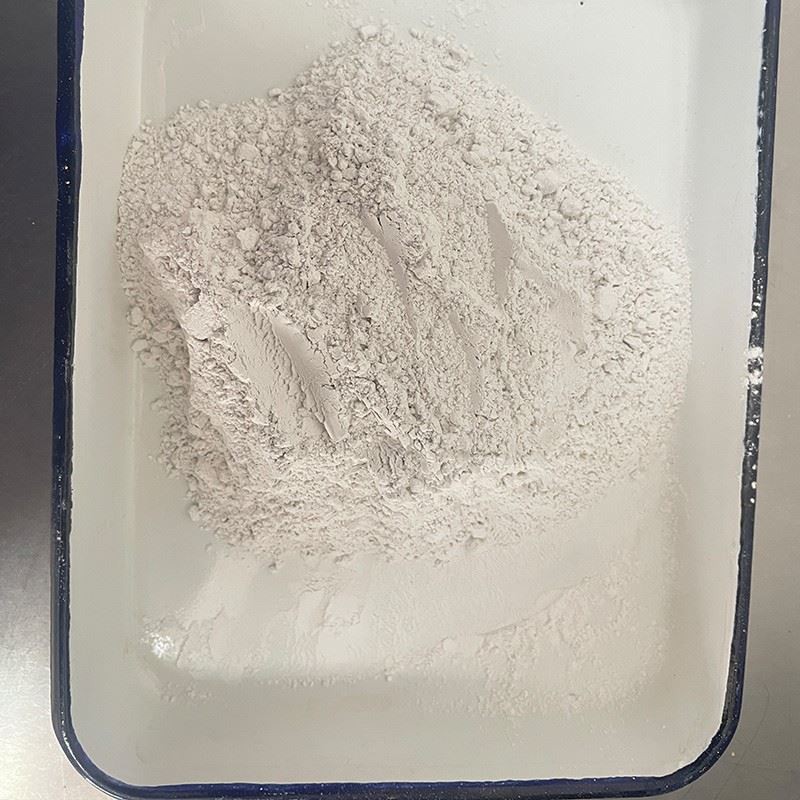
There are different types of synthetic alkali powder available for glass - making. Alkali Composite Powder and Composite Alkali Powder are two common types. These powders are formulated to meet the specific needs of different glass - making processes.
Alkali composite powders often contain a combination of different alkali compounds, along with other additives to enhance their performance. They can be tailored to provide specific properties, such as a lower melting point or better chemical resistance.
Composite alkali powders are designed to be more versatile and can be used in a wide range of glass - making applications. They are suitable for both small - scale and large - scale glass production.
Conclusion
In conclusion, synthetic alkali powder plays a multifaceted role in glass - making. It acts as a fluxing agent, adjusting the melting point and reducing energy consumption. It also helps to adjust the physical and chemical properties of glass, promotes homogeneity in the glass melt, and provides a cost - effective solution for glass manufacturers.
If you are in the glass - making industry and are looking for a reliable supplier of synthetic alkali powder, we would be more than happy to discuss your requirements. Our high - quality products and excellent customer service make us the ideal partner for your glass - production needs. Contact us to start a procurement discussion and take your glass - making process to the next level.
References
- Shelby, J. E. (2005). Introduction to Glass Science and Technology. Royal Society of Chemistry.
- Rawson, H. (1980). Properties of Glass. Elsevier.