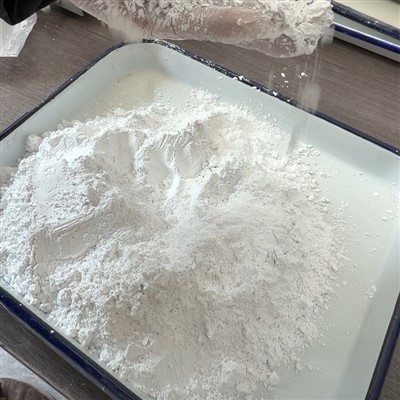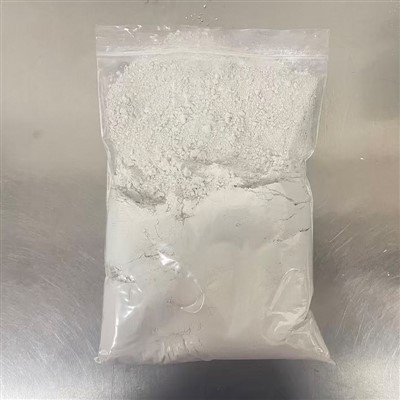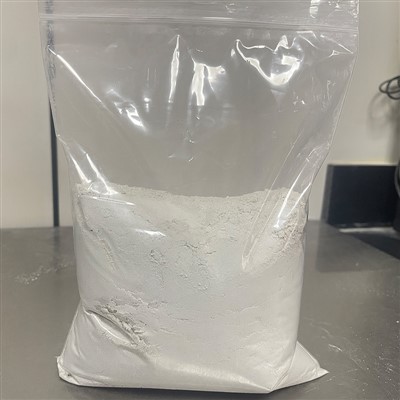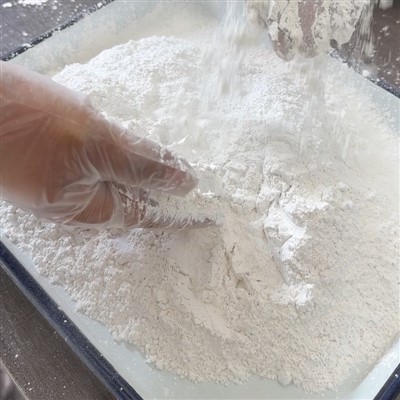
Hey there! I'm a supplier of calcium hydroxide powder, and today I'm gonna walk you through how this awesome powder is produced.

The Basics of Calcium Hydroxide
First off, let's talk a bit about what calcium hydroxide is. It's also known as slaked lime or hydrated lime. Chemically, it's Ca(OH)₂. This stuff has a bunch of uses, from water treatment to construction, and even in dentistry. You can check out more about its dental applications here.
Step 1: Starting with Limestone
The production of calcium hydroxide powder starts with limestone. Limestone is a sedimentary rock that's mainly made up of calcium carbonate (CaCO₃). It's pretty abundant in nature, and we can find it in many places around the world.
We mine the limestone from quarries. Once we've got the limestone, we need to process it to turn it into something useful for making calcium hydroxide.
Step 2: Calcination
The next step is called calcination. We take the limestone and heat it in a kiln at a really high temperature, usually around 900 - 1000°C. During this process, the calcium carbonate breaks down into calcium oxide (CaO), also known as quicklime, and carbon dioxide (CO₂). The chemical reaction looks like this:
CaCO₃ → CaO + CO₂
This is a crucial step because the calcium oxide is what we'll use to make the calcium hydroxide powder. The kiln is carefully controlled to ensure that the limestone is heated evenly and that the reaction goes to completion.
Step 3: Hydration
After we've got the calcium oxide, it's time for the hydration process. We add water to the calcium oxide, and this causes a chemical reaction. The water reacts with the calcium oxide to form calcium hydroxide. The reaction is exothermic, which means it releases heat.
CaO + H₂O → Ca(OH)₂
This reaction is pretty intense, and it can get quite hot. We have to be careful when adding the water to make sure we don't get any splashes or burns. The resulting product is a wet, paste - like substance.
Step 4: Drying and Grinding
Once we've got the wet calcium hydroxide, we need to dry it. We use special drying equipment to remove the excess water. After drying, the calcium hydroxide is in a solid form.
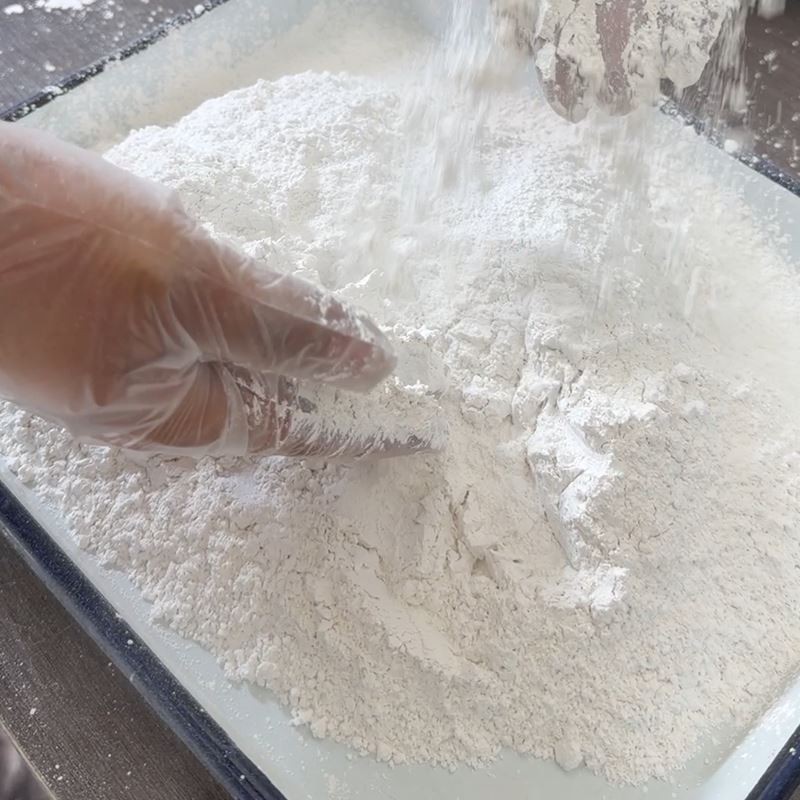
Then, we grind the dried calcium hydroxide into a fine powder. The grinding process is important because it determines the particle size of the powder. A finer powder has more surface area, which can make it more reactive and useful in different applications.
Quality Control
Throughout the production process, we have strict quality control measures in place. We test the calcium hydroxide powder for things like purity, particle size, and moisture content. We want to make sure that the powder meets the high - quality standards that our customers expect.
Different Types of Calcium Hydroxide Powder
There are different types of calcium hydroxide powder available, depending on the application. For example, Caoh Powder can be used in various industrial processes, while Powdered Hydrated Lime is often used in construction and agriculture.
Applications of Calcium Hydroxide Powder
As I mentioned earlier, calcium hydroxide powder has a wide range of applications. In water treatment, it's used to adjust the pH of water and to remove impurities. In construction, it's used in mortar and plaster. In agriculture, it can be used to improve soil quality. And in dentistry, it's used for things like root canal treatments.
Why Choose Our Calcium Hydroxide Powder
We're a reliable supplier of calcium hydroxide powder. We've got state - of - the - art production facilities and a team of experts who know how to produce high - quality powder. Our powder is consistent in quality, and we can offer different grades to meet your specific needs.
If you're in the market for calcium hydroxide powder, whether it's for industrial use, construction, or any other application, we'd love to hear from you. We can provide you with samples and discuss your requirements in detail. Just reach out to us, and we'll work together to find the best solution for you.
References
- Smith, J. (2020). "The Chemistry of Calcium Hydroxide Production". Chemical Journal.
- Brown, A. (2019). "Applications of Calcium Hydroxide in Different Industries". Industrial Review.