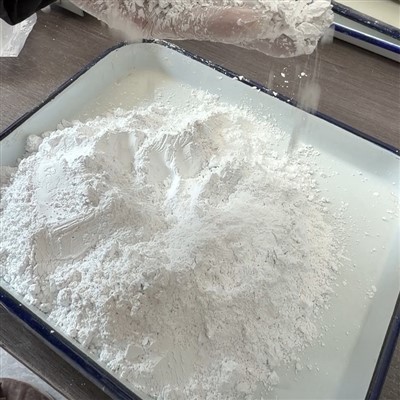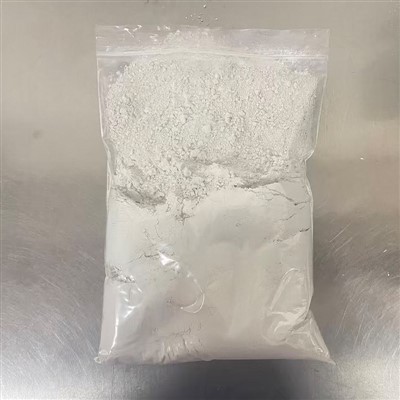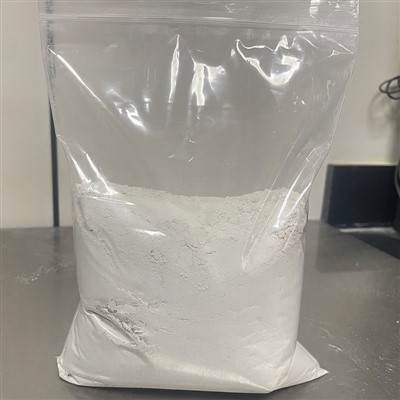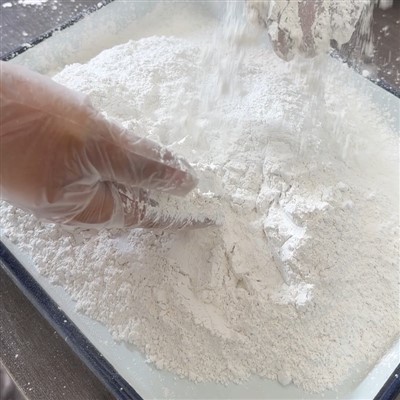
When it comes to the world of alkalis, understanding the reactivity of different types is crucial for a wide range of industrial applications. As a supplier of Mixed Alkali Powder, I've had the privilege of delving deep into the properties and reactivity of this unique product and comparing it to other alkalis. In this blog post, I'll explore how the reactivity of Mixed Alkali Powder stacks up against other alkalis and why it might be the ideal choice for your specific needs.
Understanding Alkali Reactivity
Before we dive into the comparison, it's important to understand what reactivity means in the context of alkalis. Reactivity refers to how readily an alkali will react with other substances, such as acids, metals, or organic compounds. This reactivity is influenced by several factors, including the chemical composition, particle size, and surface area of the alkali.
Alkalis are known for their ability to neutralize acids, a reaction that produces water and a salt. The strength of an alkali, often measured by its pH value, can also affect its reactivity. Strong alkalis, such as sodium hydroxide and potassium hydroxide, have a high pH and react more vigorously with acids than weaker alkalis.
Comparing Mixed Alkali Powder to Other Alkalis
Chemical Composition
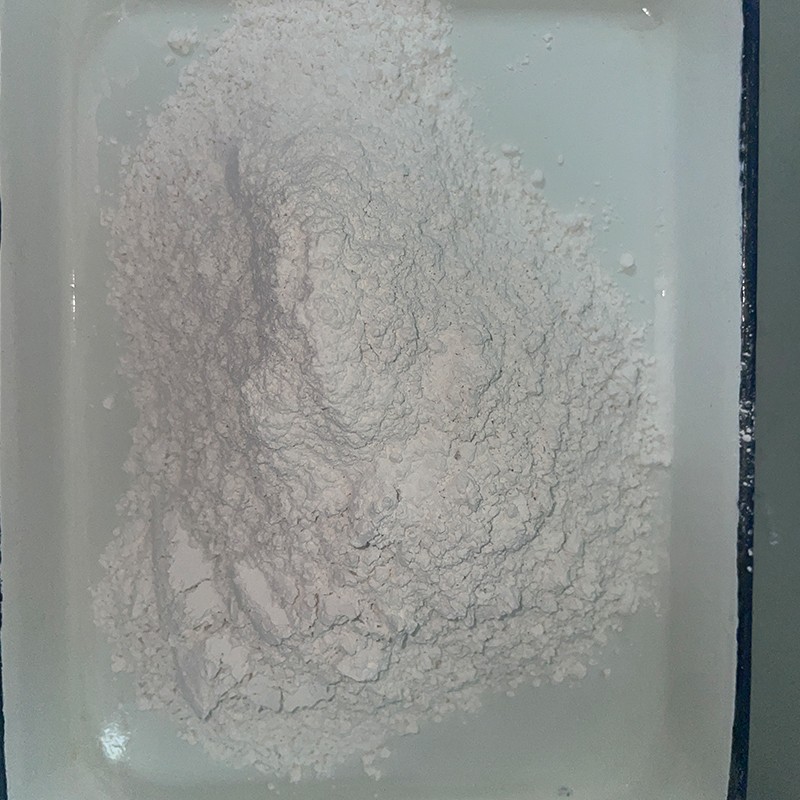
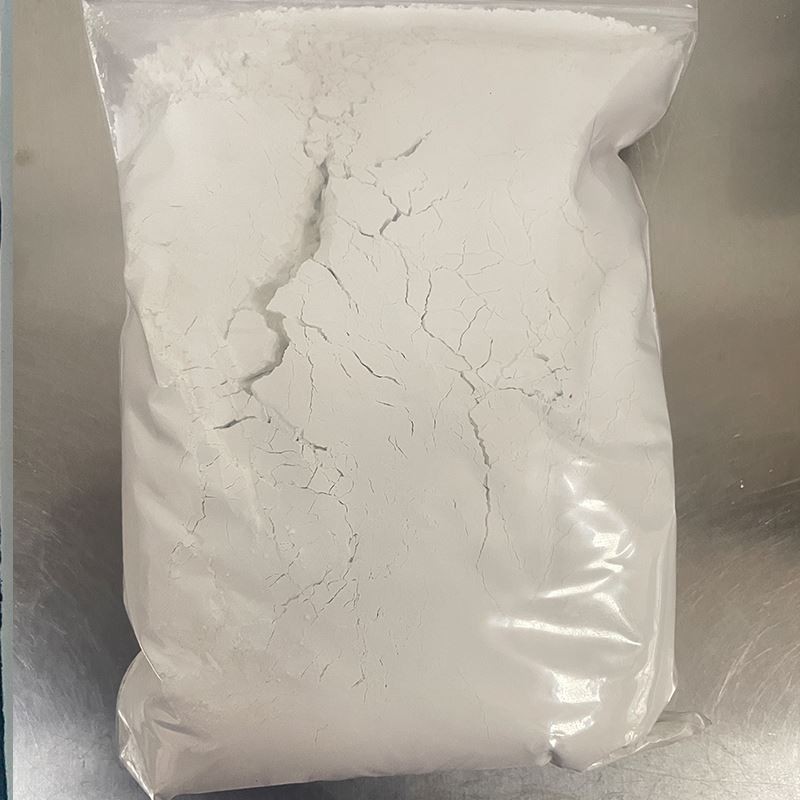
Mixed Alkali Powder is a blend of different alkalis, carefully formulated to achieve specific properties and reactivity. This composition allows for a more tailored approach to various applications, as the mixture can be adjusted to meet the specific requirements of a particular process.
In contrast, single-component alkalis, such as sodium hydroxide or potassium hydroxide, have a fixed chemical composition. While these alkalis are highly reactive and widely used in many industries, they may not offer the same level of flexibility as Mixed Alkali Powder.
Reactivity with Acids
One of the key indicators of an alkali's reactivity is its ability to neutralize acids. Mixed Alkali Powder has been shown to react effectively with a wide range of acids, including both strong and weak acids. The combination of different alkalis in the powder allows for a more efficient neutralization process, as each component can contribute to the reaction in a unique way.
For example, some alkalis in the mixture may react quickly with the acid to form a salt and water, while others may help to buffer the solution and prevent rapid changes in pH. This synergistic effect can result in a more stable and controlled reaction, which is particularly beneficial in applications where precise pH control is required.
In comparison, single-component alkalis may react more rapidly with acids, but they may also be more difficult to control. This can lead to over-neutralization or the formation of unwanted by-products, which can be problematic in certain industrial processes.
Reactivity with Metals
Another important aspect of alkali reactivity is its interaction with metals. Some alkalis can react with certain metals to form metal hydroxides or other compounds. Mixed Alkali Powder has been formulated to minimize the risk of corrosion and other unwanted reactions with metals.
The combination of different alkalis in the powder can help to create a protective layer on the surface of the metal, preventing further reaction. This makes Mixed Alkali Powder a suitable choice for applications where contact with metals is unavoidable, such as in the manufacturing of metal products or in the treatment of wastewater containing metal ions.
In contrast, some single-component alkalis, particularly strong alkalis, can be highly corrosive to metals. This can lead to damage to equipment and structures, as well as the release of harmful metal ions into the environment.
Reactivity in Industrial Applications
Mixed Alkali Powder offers several advantages in industrial applications due to its unique reactivity. For example, in the paper and pulp industry, Mixed Alkali Powder can be used to break down lignin and other organic materials, improving the quality of the pulp and reducing the environmental impact of the process.
In the textile industry, Mixed Alkali Powder can be used in the dyeing and finishing processes to adjust the pH of the solution and improve the color fastness of the dyes. The controlled reactivity of the powder allows for more precise control of the process, resulting in better quality products.
In the water treatment industry, Mixed Alkali Powder can be used to adjust the pH of the water and remove impurities. The combination of different alkalis in the powder can help to achieve a more stable and effective treatment process, reducing the need for additional chemicals.
Advantages of Using Mixed Alkali Powder
Customization
One of the main advantages of Mixed Alkali Powder is its ability to be customized to meet the specific needs of different applications. As a supplier, we can adjust the composition of the powder to achieve the desired reactivity and performance. This allows our customers to optimize their processes and achieve better results.
Cost-Effectiveness
Mixed Alkali Powder can be a cost-effective alternative to single-component alkalis. By combining different alkalis in a single powder, we can reduce the overall cost of the product while still maintaining its effectiveness. This can result in significant savings for our customers, especially in large-scale industrial applications.
Environmental Friendliness
Mixed Alkali Powder is formulated to be environmentally friendly. The combination of different alkalis can help to reduce the amount of chemicals needed in the process, resulting in a lower environmental impact. Additionally, the controlled reactivity of the powder can help to minimize the release of harmful by-products into the environment.
Contact Us for More Information
If you're interested in learning more about Mixed Alkali Powder and how it can benefit your specific application, please don't hesitate to contact us. Our team of experts is available to answer any questions you may have and to provide you with a customized solution.
Whether you're in the paper and pulp industry, the textile industry, the water treatment industry, or any other industry that requires the use of alkalis, we can help you find the right product for your needs. We offer a wide range of Alkali Composite Powder and Industrial Composite Alkali Powder products, all of which are designed to meet the highest standards of quality and performance.
References
- Atkins, P. W., & de Paula, J. (2014). Physical Chemistry. Oxford University Press.
- Housecroft, C. E., & Sharpe, A. G. (2012). Inorganic Chemistry. Pearson Education.
- Vogel, A. I. (1978). Vogel's Textbook of Quantitative Chemical Analysis. Longman.