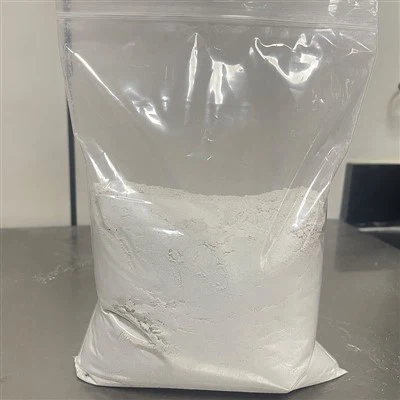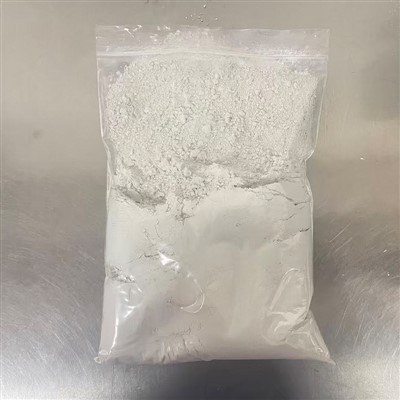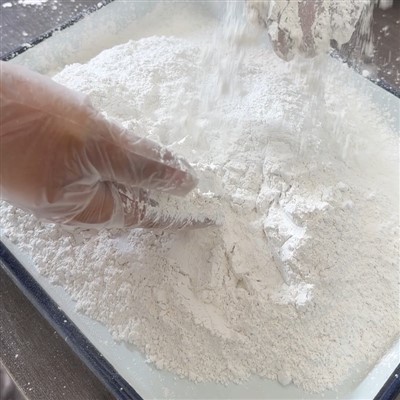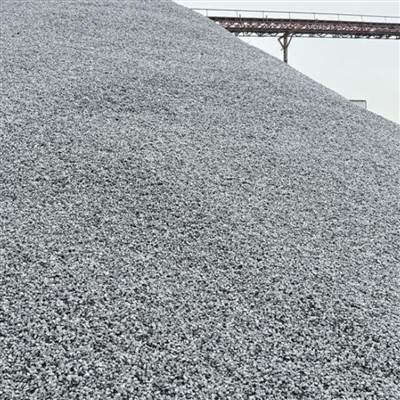
Hey there! As a supplier of quick lime powder, I've had my fair share of questions about how it reacts with carbon dioxide. So, I thought I'd break it down for you in a way that's easy to understand.
First off, let's talk about what quick lime powder is. Quick lime, also known as calcium oxide (CaO), is made by heating limestone (calcium carbonate, CaCO₃) at high temperatures. This process, called calcination, drives off carbon dioxide and leaves behind quick lime. It's a pretty common industrial process, and we supply Quicklime Powder for all sorts of applications.
Now, when quick lime powder comes into contact with carbon dioxide (CO₂), a chemical reaction takes place. This reaction is known as carbonation. The chemical equation for this reaction is:
CaO + CO₂ → CaCO₃
In simple terms, the quick lime (CaO) reacts with carbon dioxide to form calcium carbonate (CaCO₃), which is the same stuff that limestone is made of. This reaction is exothermic, which means it releases heat. You might not notice it if you're just handling a small amount of quick lime powder, but in industrial settings, this heat can be significant.
Let's take a closer look at how this reaction happens. When quick lime powder is exposed to carbon dioxide in the air, the CO₂ molecules start to react with the surface of the CaO particles. The carbon dioxide molecules bond with the calcium and oxygen atoms in the quick lime, forming calcium carbonate. This process starts at the surface of the quick lime particles and gradually works its way inwards.
The rate of this reaction depends on a few factors. One of the most important factors is the surface area of the quick lime powder. The more surface area there is, the more contact there is between the quick lime and the carbon dioxide, and the faster the reaction will be. That's why we make sure our Industrial Quick Lime Powder is finely ground to maximize the surface area.
Another factor that affects the reaction rate is the temperature. Generally, higher temperatures speed up the reaction. However, if the temperature is too high, it can cause the calcium carbonate to decompose back into quick lime and carbon dioxide. So, there's a sweet spot when it comes to temperature for this reaction.
Humidity also plays a role. In the presence of moisture, the reaction between quick lime and carbon dioxide can be accelerated. The water acts as a catalyst, helping the reaction to occur more quickly. But too much moisture can also cause problems, like clumping of the quick lime powder.
Now, you might be wondering why this reaction is important. Well, there are many applications where the reaction between quick lime and carbon dioxide is useful. One of the most common uses is in the construction industry. Quick lime is often used in mortar and concrete. When it reacts with carbon dioxide in the air, it helps to harden and strengthen the materials. This makes the structures more durable and long - lasting.
In the environmental field, quick lime can be used to capture carbon dioxide from industrial emissions. By reacting the carbon dioxide with quick lime, we can reduce the amount of greenhouse gases released into the atmosphere. This is an important step in the fight against climate change.
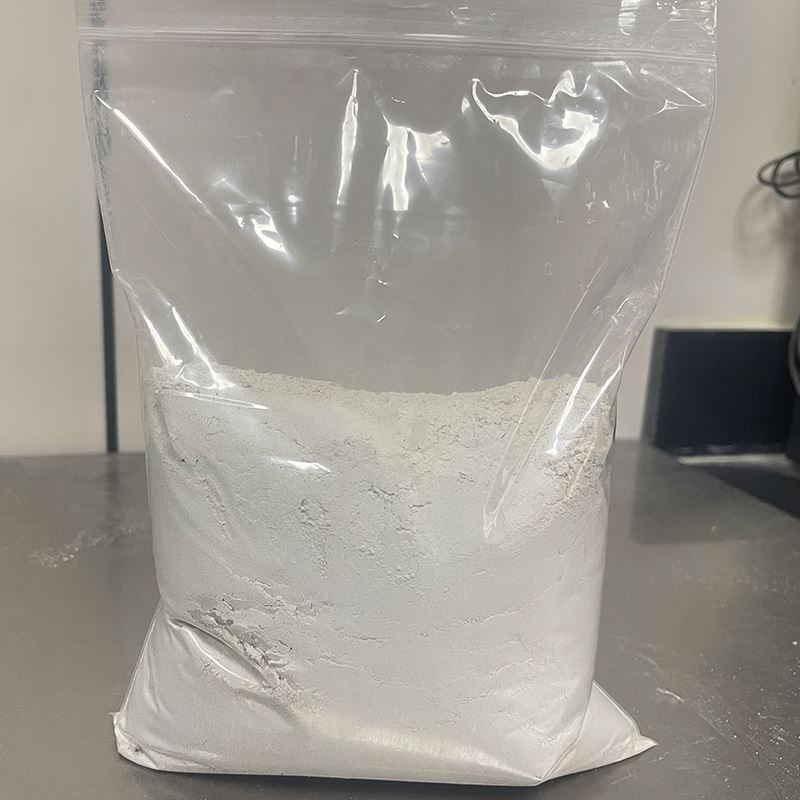
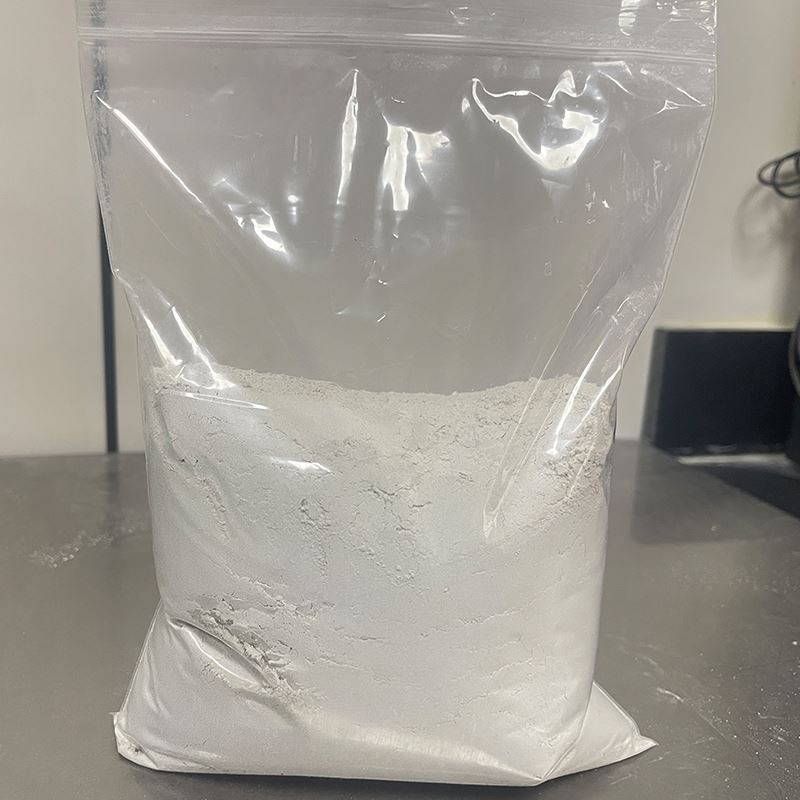
We also supply Calcined Lime Powder, which is another form of quick lime. It has similar properties and reacts with carbon dioxide in the same way. It's used in a variety of industries, including steelmaking, water treatment, and agriculture.
If you're in an industry that could benefit from quick lime powder and its reaction with carbon dioxide, we'd love to talk to you. Whether you're a construction company looking for a reliable source of quick lime for your projects, an environmental firm working on carbon capture, or an agricultural business needing lime for soil treatment, we've got you covered.
Our quick lime powder is of the highest quality, and we ensure that it meets all the necessary industry standards. We have a team of experts who can provide you with technical support and advice on how to use our products effectively.
So, if you're interested in purchasing quick lime powder, don't hesitate to reach out. We're here to help you find the right solution for your needs. Whether it's a small - scale project or a large - scale industrial application, we can provide the quantity and quality of quick lime powder you require.
Let's work together to make the most of the amazing properties of quick lime powder and its reaction with carbon dioxide. Contact us today to start the conversation about your quick lime powder needs.
References
- "Chemistry of Lime" by the Lime Association of America
- "Industrial Chemistry Handbook" by John Smith