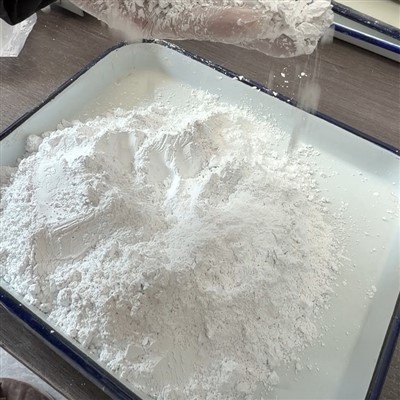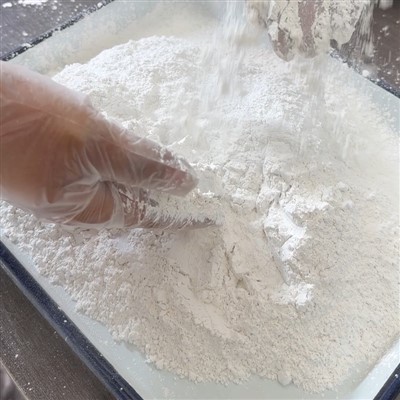
CaOH powder, also known as calcium hydroxide powder, is a versatile and widely used substance with a range of applications, especially when it comes to its interactions with polymers. As a supplier of CaOH powder, I have witnessed firsthand the unique and beneficial ways in which it can interact with various polymers. In this blog post, I will explore how CaOH powder interacts with polymers, the mechanisms behind these interactions, and the practical implications for different industries.
Understanding CaOH Powder
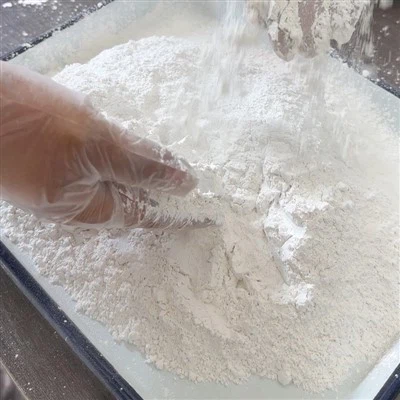
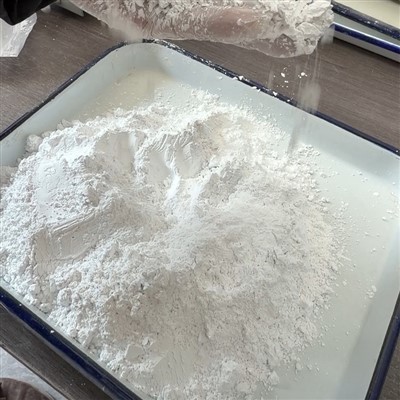
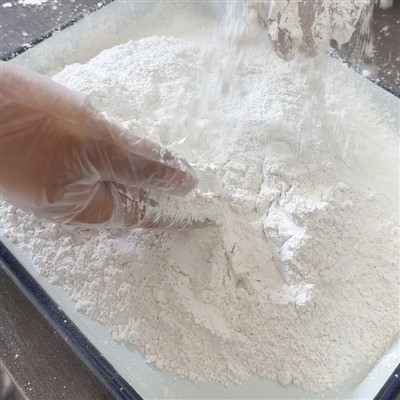
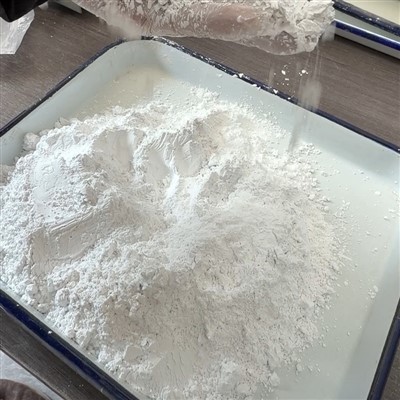
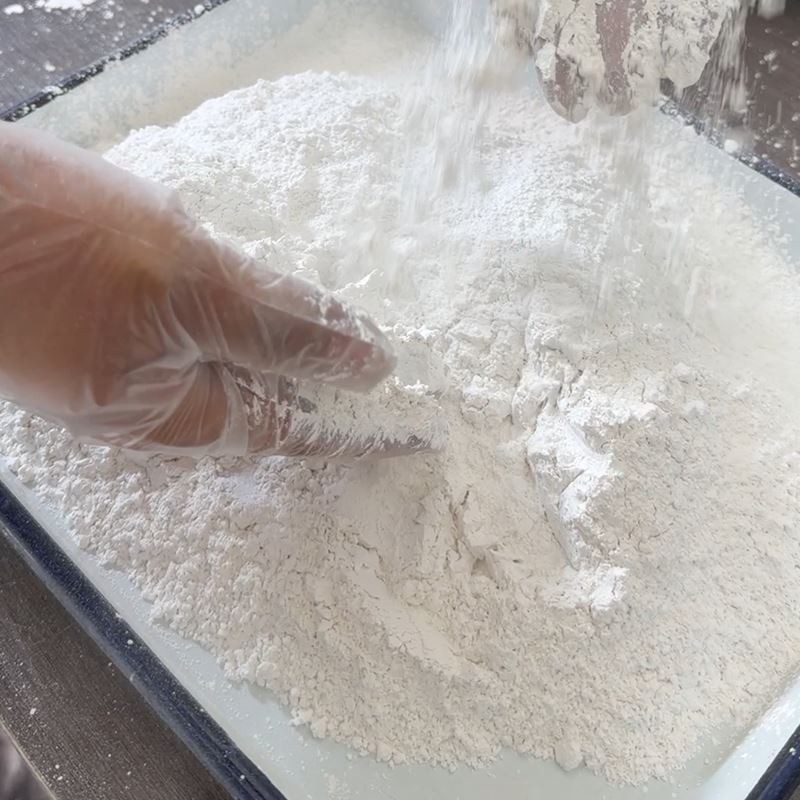
Before delving into its interactions with polymers, it's important to understand what CaOH powder is. Calcium hydroxide is an inorganic compound with the chemical formula Ca(OH)₂. It is produced by the reaction of calcium oxide (quicklime) with water, a process known as slaking. The resulting CaOH powder is a white, odorless powder that is sparingly soluble in water.
CaOH powder has several notable properties. It is a strong base, which means it can react with acids to form salts and water. It also has antibacterial and antifungal properties, making it useful in many applications where microbial growth needs to be controlled. Additionally, it has a high pH, which can be exploited in various chemical processes.
Interactions with Polymers
Chemical Reactions
One of the primary ways CaOH powder interacts with polymers is through chemical reactions. Many polymers contain functional groups that can react with the hydroxide ions (OH⁻) present in CaOH powder. For example, polymers with carboxylic acid groups (-COOH) can react with CaOH to form calcium carboxylates. This reaction is a type of neutralization reaction, where the acid group in the polymer reacts with the base (CaOH) to form a salt.
The chemical reaction can lead to cross - linking in the polymer. Cross - linking is the process of forming chemical bonds between polymer chains. When CaOH reacts with polymers, it can create bridges between different polymer chains, increasing the polymer's molecular weight and changing its physical properties. For instance, the cross - linked polymer may become more rigid, have better mechanical strength, and improved resistance to solvents.
Physical Interactions
In addition to chemical reactions, CaOH powder can also have physical interactions with polymers. The powder can act as a filler in polymer matrices. When CaOH powder is added to a polymer, it can be dispersed throughout the polymer matrix. The presence of the powder can change the physical properties of the polymer, such as its density, hardness, and thermal conductivity.
The surface of CaOH powder particles can interact with the polymer chains through van der Waals forces and hydrogen bonding. These weak interactions can influence the flow behavior of the polymer. For example, in a polymer melt, the presence of CaOH powder can increase the viscosity, making the polymer more difficult to process. However, this can also be an advantage in some applications, such as in the production of thick - walled polymer products where a higher viscosity can help maintain the shape during molding.
Applications in Different Industries
Construction Industry
In the construction industry, polymers are often used in combination with CaOH powder. For example, in polymer - modified concrete, CaOH powder can react with the polymers to improve the concrete's properties. The cross - linking of the polymers can enhance the adhesion between the concrete and the aggregates, resulting in a stronger and more durable concrete structure.
CaOH powder can also act as a stabilizer in polymer - based construction materials. It can react with any acidic components in the polymer or the environment, preventing degradation of the polymer over time. This is particularly important in outdoor applications where the polymer may be exposed to rain, sunlight, and other environmental factors.
Dental Industry
The Calcium Hydroxide Powder Dental is also an important area where the interaction between CaOH powder and polymers is utilized. In dental materials, polymers are used for various purposes, such as filling materials and dental adhesives. CaOH powder can be added to these polymers to improve their properties.
The antibacterial properties of CaOH powder are beneficial in dental applications. It can help prevent the growth of bacteria in the oral cavity, reducing the risk of dental infections. Additionally, the chemical reactions between CaOH powder and the polymers can improve the mechanical properties of the dental materials, making them more resistant to wear and tear.
Packaging Industry
In the packaging industry, polymers are used to make various types of packaging materials. CaOH powder can be added to these polymers to enhance their barrier properties. The cross - linking of the polymers due to the interaction with CaOH powder can reduce the permeability of the packaging materials to gases and moisture. This is important for preserving the quality of the products inside the packaging, especially for food and pharmaceutical products.
Factors Affecting the Interaction
Several factors can affect how CaOH powder interacts with polymers. The type of polymer is a crucial factor. Different polymers have different functional groups and chemical structures, which will determine their reactivity with CaOH powder. For example, polymers with more reactive functional groups will react more readily with CaOH powder.
The particle size of the CaOH powder also plays a role. Smaller particle sizes have a larger surface area, which means there is more contact between the powder and the polymer. This can lead to more efficient chemical reactions and better physical interactions.
The concentration of CaOH powder in the polymer is another important factor. A higher concentration of CaOH powder may lead to more extensive cross - linking and a greater change in the polymer's properties. However, if the concentration is too high, it may cause agglomeration of the powder particles, which can negatively affect the properties of the polymer.
Practical Considerations for Suppliers and Users
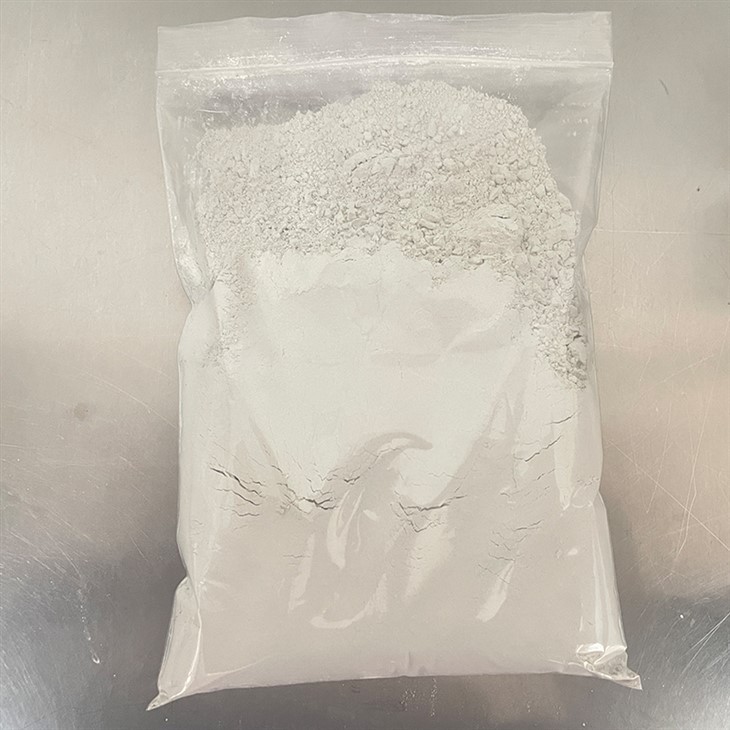
As a supplier of CaOH Powder, it is important to provide high - quality products with consistent particle size and purity. This ensures that the interaction between the CaOH powder and the polymers is predictable and reproducible.
For users, it is essential to understand the specific requirements of their applications. They need to choose the appropriate type of polymer and the right concentration of CaOH powder to achieve the desired properties. Proper mixing and processing techniques are also crucial to ensure that the CaOH powder is evenly dispersed in the polymer matrix.
Conclusion
The interaction between CaOH powder and polymers is a complex and fascinating area of study. Through chemical reactions and physical interactions, CaOH powder can significantly change the properties of polymers, making them more suitable for a wide range of applications in different industries.
As a supplier of CaOH powder, I am committed to providing high - quality products that can help our customers achieve the best results in their polymer - related applications. If you are interested in learning more about how our Powdered Hydrated Lime can interact with your polymers or if you are considering purchasing CaOH powder for your specific needs, I encourage you to contact us for a detailed discussion. We are ready to assist you in finding the right solution for your polymer - based projects.
References
- Smith, J. (2018). "Polymer - Inorganic Compound Interactions". Journal of Polymer Science.
- Johnson, A. (2020). "Applications of Calcium Hydroxide in Polymer Systems". Polymer Engineering Magazine.
- Brown, C. (2019). "The Role of Particle Size in Polymer - Filler Interactions". International Journal of Materials Science.