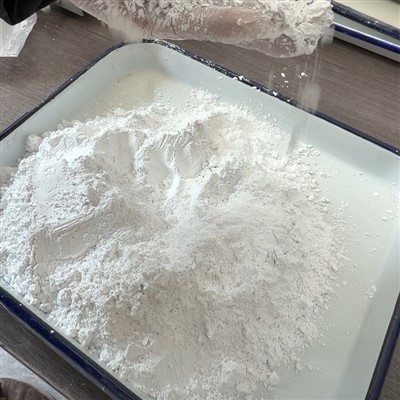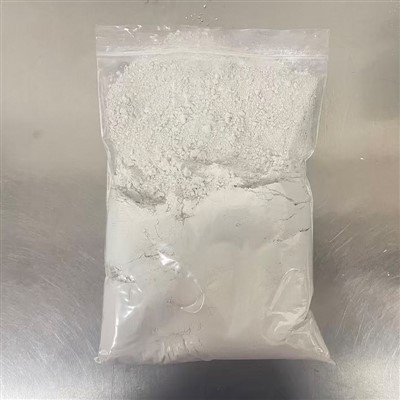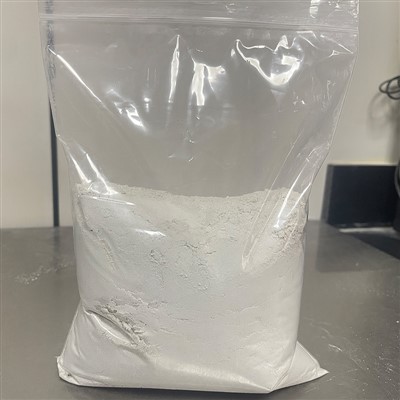
Calcium carbonate powder is a versatile and widely used material in various industries, including the paint industry. As a leading supplier of high - quality calcium carbonate powder, I have witnessed firsthand how this powder can significantly influence the drying time of paints. In this blog, I will explore the scientific mechanisms behind this influence and discuss the practical implications for paint manufacturers and users.
The Role of Calcium Carbonate in Paints
Calcium carbonate is a common filler in paint formulations. It is added to paints for several reasons, including cost - reduction, improvement of mechanical properties, and enhancement of the paint's overall performance. When it comes to the drying time of paints, calcium carbonate can play a crucial role.
Paints dry through two main processes: evaporation and oxidation. Evaporation occurs when the solvent in the paint (such as water or organic solvents) evaporates into the air, leaving behind the solid components of the paint. Oxidation, on the other hand, involves the reaction of the paint's binders with oxygen in the air, which causes the paint to harden.
Calcium carbonate can affect both of these processes. Firstly, it can act as a physical barrier that can slow down the evaporation of the solvent. The powder particles can form a network within the paint film, which restricts the movement of the solvent molecules and thus reduces the rate of evaporation. However, under certain conditions, it can also promote evaporation. For example, if the calcium carbonate particles have a high surface area, they can absorb some of the solvent, which can then be more easily released into the air.
Secondly, calcium carbonate can influence the oxidation process. Some types of calcium carbonate can act as catalysts or inhibitors in the oxidation reaction of the paint's binders. For instance, certain impurities or additives in the calcium carbonate powder can either speed up or slow down the oxidation rate, depending on their chemical properties.
Types of Calcium Carbonate and Their Impact on Drying Time
There are different types of calcium carbonate powder available on the market, each with its own characteristics and effects on paint drying time.
Pure Calcium Carbonate Powder: Pure calcium carbonate powder Pure Calcium Carbonate Powder is a high - quality product with a high degree of purity. It typically has a uniform particle size and shape, which can have a predictable effect on the paint's drying time. The uniform particles can form a more stable network in the paint film, which can slow down the evaporation of the solvent. However, because of its purity, it is less likely to interfere with the oxidation process of the paint's binders.
Organic Calcium Carbonate Powder: Organic calcium carbonate powder Organic Calcium Carbonate Powder is often treated with organic compounds to improve its compatibility with the paint's organic components. This type of powder can have a different impact on the drying time compared to pure calcium carbonate. The organic coating on the particles can interact with the paint's binders, which may either enhance or inhibit the oxidation process. Additionally, the organic coating can also affect the evaporation rate of the solvent by altering the surface properties of the powder particles.
Calcium Carbonate Powder for Dogs: Although calcium carbonate powder for dogs Calcium Carbonate Powder for Dogs is not typically used in paints, it is worth mentioning here to highlight the diversity of calcium carbonate products. This type of powder is formulated to meet the specific nutritional needs of dogs, and it has different physical and chemical properties compared to the calcium carbonate used in paints.
Factors Affecting the Influence of Calcium Carbonate on Drying Time
Several factors can influence how calcium carbonate powder affects the drying time of paints.


Particle Size: The particle size of the calcium carbonate powder is a critical factor. Smaller particles have a larger surface area, which means they can absorb more solvent and interact more effectively with the paint's binders. This can lead to a slower evaporation rate and a potentially different oxidation rate compared to larger particles.
Particle Shape: The shape of the calcium carbonate particles can also impact the drying time. For example, spherical particles may pack more closely together in the paint film, which can slow down the evaporation of the solvent. In contrast, irregularly shaped particles may create more voids in the paint film, which can allow the solvent to evaporate more easily.
Concentration: The concentration of calcium carbonate powder in the paint formulation is another important factor. A higher concentration of powder can increase the viscosity of the paint, which can slow down the evaporation rate. However, if the concentration is too high, it can also cause the paint to become too thick and may lead to poor film formation.
Paint Type: Different types of paints, such as water - based paints and oil - based paints, respond differently to the addition of calcium carbonate powder. Water - based paints typically have a faster evaporation rate compared to oil - based paints. The addition of calcium carbonate can have a more significant impact on the drying time of water - based paints, as it can slow down the evaporation of water more effectively.
Practical Implications for Paint Manufacturers and Users
For paint manufacturers, understanding how calcium carbonate powder influences the drying time of paints is crucial for formulating high - quality products. By carefully selecting the type, particle size, and concentration of calcium carbonate powder, manufacturers can control the drying time of their paints to meet the specific needs of their customers.
For users, the drying time of paint is an important consideration. Faster - drying paints can save time and increase productivity, especially in large - scale painting projects. On the other hand, slower - drying paints may be preferred in some cases, such as when a more even and smooth finish is required.
As a calcium carbonate powder supplier, I am committed to providing high - quality products that can meet the diverse needs of the paint industry. Our team of experts can work with paint manufacturers to select the most suitable calcium carbonate powder for their specific paint formulations.
Conclusion
In conclusion, calcium carbonate powder can have a significant influence on the drying time of paints. The type, particle size, shape, and concentration of the powder, as well as the type of paint, all play important roles in determining how the powder affects the drying process. By understanding these factors, paint manufacturers can optimize their paint formulations to achieve the desired drying time and performance.
If you are a paint manufacturer or a user interested in learning more about how our calcium carbonate powder can benefit your painting projects, please feel free to contact us for further discussion and potential procurement. We are always ready to provide you with the best solutions and high - quality products.
References
- ASTM International. (20XX). Standard test methods for drying time of paints, varnishes, lacquers, and related products.
- Paint Research Association. (20XX). Technical report on the influence of fillers on paint drying properties.
- Smith, J. (20XX). The role of calcium carbonate in paint formulations. Journal of Paint Science and Technology.