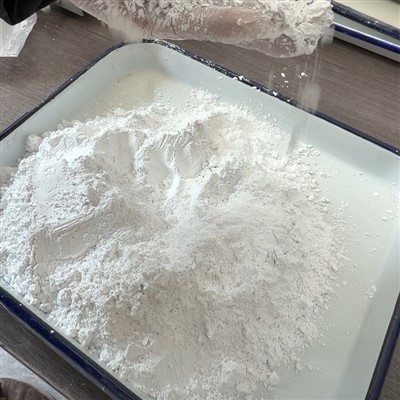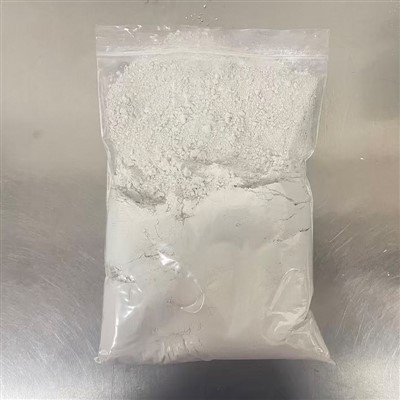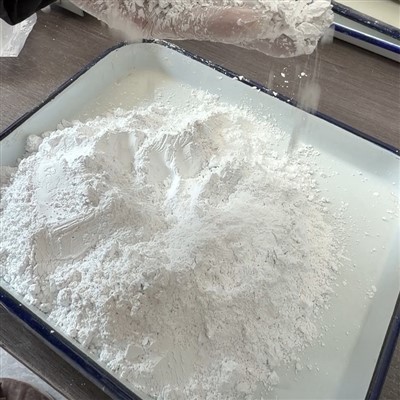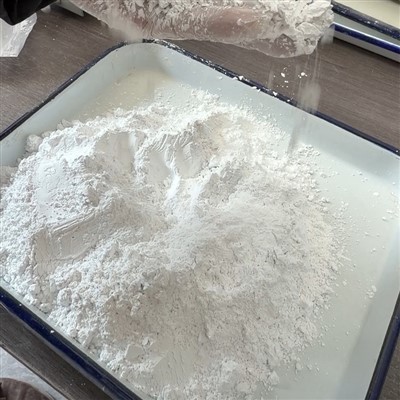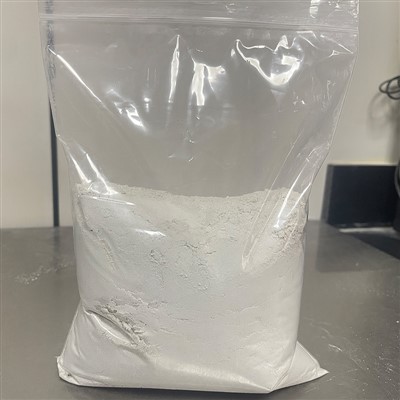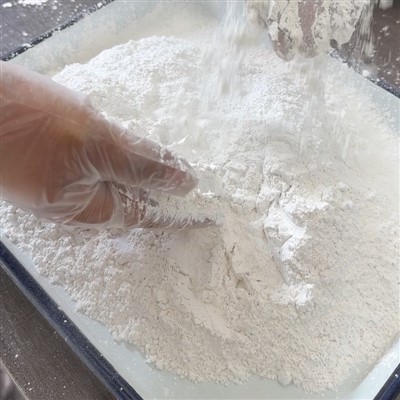
Micronized calcite powder, a finely ground form of calcite, has been a subject of interest in various industries due to its unique properties. As a supplier of micronized calcite powder, I am often asked about its potential applications in the paint industry. In this blog post, we will explore whether micronized calcite powder can indeed be used in the paint industry and the benefits it may bring.
Properties of Micronized Calcite Powder
Calcite is a carbonate mineral that is widely available in nature. Micronized calcite powder is produced by grinding calcite to a very fine particle size, typically in the range of a few micrometers. This fine particle size gives micronized calcite powder several important properties that make it suitable for use in the paint industry.
- High Purity: High - purity calcite powder High Purity Calcite Powder is often used in applications where purity is crucial. In the paint industry, high - purity calcite can ensure that the paint has consistent color and quality, without introducing unwanted impurities that could affect the final appearance and performance of the paint.
- Whiteness: White calcite powder White Calcite Powder is known for its excellent whiteness. This property makes it an ideal filler in white and light - colored paints. It can enhance the brightness and opacity of the paint, allowing for better coverage and a more aesthetically pleasing finish.
- Particle Size and Shape: The micronized particle size of calcite powder provides a large surface area. This can improve the dispersion of the powder in the paint matrix, leading to better suspension and stability. The shape of the particles can also affect the rheological properties of the paint, such as viscosity and flow characteristics.
Applications in the Paint Industry
As a Filler
One of the primary uses of micronized calcite powder in the paint industry is as a filler. Fillers are added to paints to reduce the cost of the product while maintaining or improving certain properties. Calcite powder can replace more expensive pigments and resins to a certain extent.


- Cost - Reduction: By using calcite powder as a filler, paint manufacturers can reduce the amount of more expensive raw materials. This can lead to significant cost savings without sacrificing the quality of the paint. For example, in interior wall paints, calcite powder can be used to replace a portion of titanium dioxide, which is a high - cost pigment.
- Improved Physical Properties: Calcite powder can enhance the physical properties of the paint. It can increase the hardness and abrasion resistance of the paint film, making it more durable. In exterior paints, this can help the paint withstand weathering and environmental factors.
As a Extender
Calcite powder can also act as an extender in paints. An extender is a material that can be added to a paint to increase its volume without significantly affecting its performance.
- Volume Increase: Adding calcite powder to a paint formulation can increase the volume of the paint, allowing for more coverage per unit of paint. This is beneficial for both the manufacturer and the end - user, as it can reduce the overall cost of painting a given area.
- Improved Film Formation: The presence of calcite powder can improve the film - forming properties of the paint. It can help the paint to spread more evenly and form a smoother, more uniform film on the surface.
In Special - Purpose Paints
Micronized calcite powder can be used in special - purpose paints, such as anti - corrosion paints and fire - retardant paints.
- Anti - Corrosion Paints: In anti - corrosion paints, calcite powder can act as a barrier to prevent the penetration of moisture and oxygen to the metal surface. It can also react with the metal surface to form a protective layer, reducing the rate of corrosion.
- Fire - Retardant Paints: Calcite powder can contribute to the fire - retardant properties of paints. When exposed to high temperatures, calcite can decompose and release carbon dioxide, which can help to smother the fire and reduce the spread of flames.
Advantages of Using Micronized Calcite Powder in Paints
- Environmental Friendliness: Calcite is a natural mineral, and its use in paints is generally considered to be environmentally friendly. It does not contain harmful chemicals such as heavy metals, which makes it a sustainable choice for paint manufacturers.
- Versatility: Micronized calcite powder can be used in a wide range of paint types, including water - based, solvent - based, and powder paints. This versatility makes it a popular choice for paint manufacturers who need to produce different types of paints.
- Easy to Process: Calcite powder is easy to process and can be easily incorporated into paint formulations. It can be mixed with other ingredients using standard mixing equipment, which simplifies the manufacturing process.
Challenges and Considerations
- Particle Size Control: Maintaining a consistent particle size is crucial for the performance of calcite powder in paints. If the particle size is too large, it can cause sedimentation and affect the stability of the paint. On the other hand, if the particle size is too small, it can increase the viscosity of the paint and make it difficult to apply.
- Dispersion: Ensuring proper dispersion of calcite powder in the paint is important. Poor dispersion can lead to clumping and uneven distribution of the powder, which can affect the appearance and performance of the paint.
Conclusion
In conclusion, micronized calcite powder can be effectively used in the paint industry. Its unique properties, such as high purity, whiteness, and fine particle size, make it a valuable ingredient in paint formulations. It can be used as a filler, extender, and in special - purpose paints, offering cost - savings, improved physical properties, and environmental benefits.
If you are interested in using micronized calcite powder in your paint products, I encourage you to contact us for more information and to discuss your specific requirements. We are committed to providing high - quality calcite powder and excellent customer service to meet your needs.
References
- Smith, J. (2018). "The Use of Minerals in the Paint Industry". Journal of Paint Science, 25(3), 123 - 135.
- Johnson, A. (2019). "Micronized Minerals for Paint Applications". Mineral Engineering Review, 32(2), 45 - 56.
- Brown, C. (2020). "Calcite as a Filler in Paints: A Review". Paint Technology Today, 18(4), 78 - 89.