Can hydrated limestone powder be used in the glass industry?
As a supplier of Hydrated Limestone Powder, I am often asked about the potential applications of our product, especially in the glass industry. In this blog post, I will explore the viability of using hydrated limestone powder in the glass - making process, discussing its properties, benefits, and limitations.
Properties of Hydrated Limestone Powder
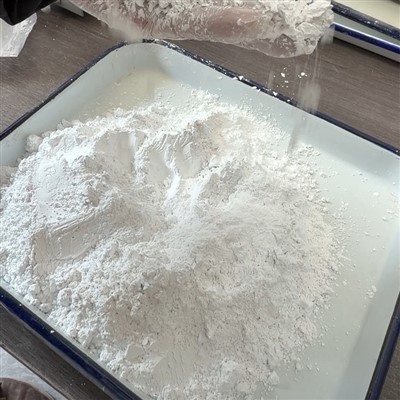
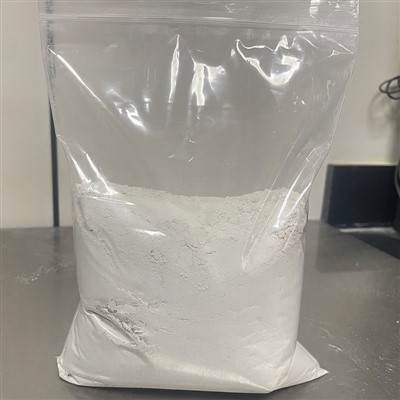
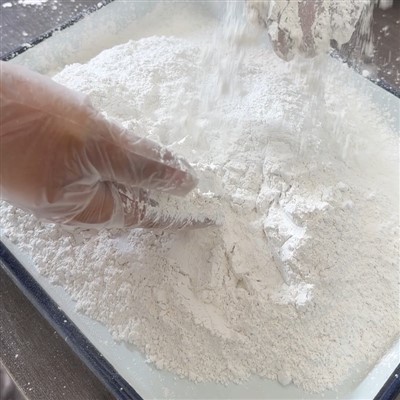
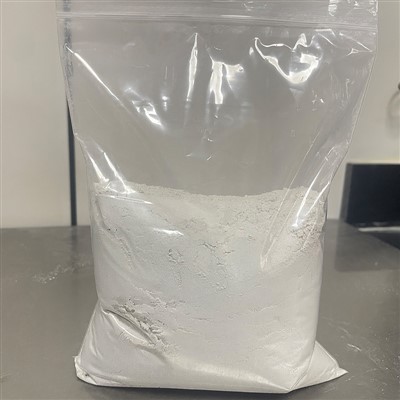
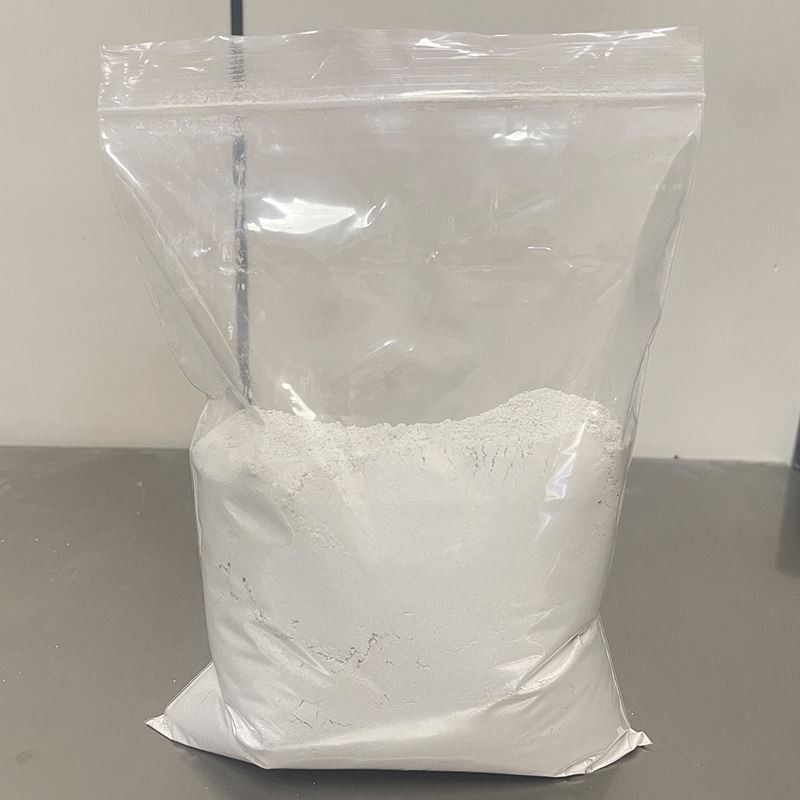
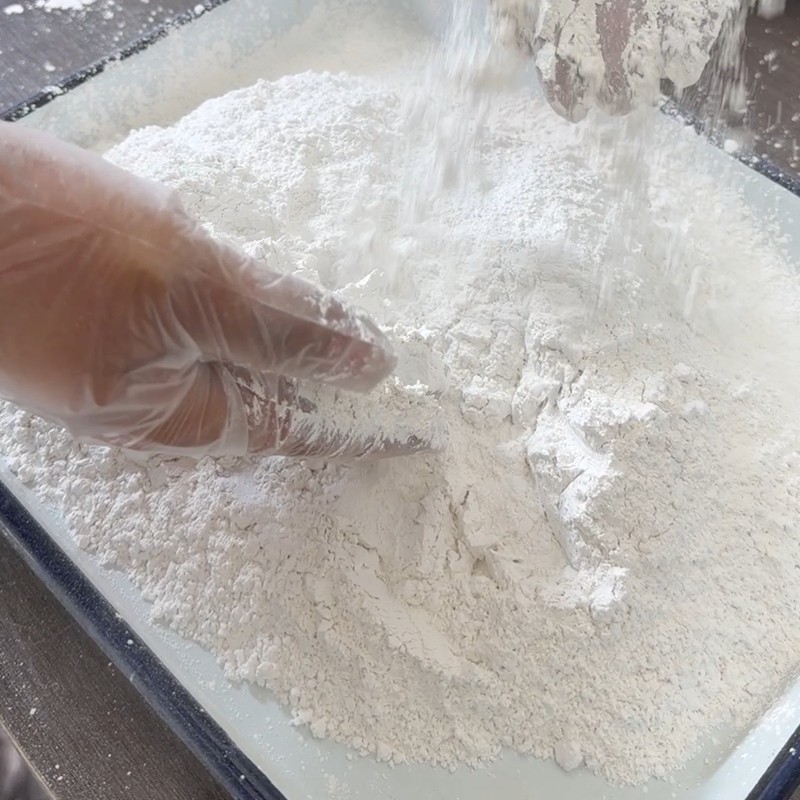
Hydrated limestone powder, also known as slaked lime or calcium hydroxide ((Ca(OH)_2)), is produced by adding water to quicklime ((CaO)). This process, called slaking, results in a fine, white powder with unique chemical and physical properties.
One of the key properties of hydrated limestone powder is its high alkalinity. It has a pH value of around 12.4, which makes it an effective base in various chemical reactions. In addition, it has good solubility in water, although it is not as soluble as some other alkaline substances. This solubility allows it to be easily incorporated into aqueous solutions and react with other chemicals.
Another important property is its ability to react with carbon dioxide ((CO_2)) in the air. When exposed to (CO_2), hydrated limestone powder gradually converts back to calcium carbonate ((CaCO_3)) through a process called carbonation. This property can be both an advantage and a disadvantage, depending on the application.
Applications of Hydrated Limestone Powder in the Glass Industry
The glass industry is a major consumer of various raw materials, and hydrated limestone powder has several potential applications within it.
Fluxing Agent: In glass - making, a fluxing agent is used to lower the melting point of the glass batch, making it easier to melt and shape. Hydrated limestone powder can act as a fluxing agent due to its ability to react with silica ((SiO_2)), a major component of glass. When heated, calcium hydroxide reacts with silica to form calcium silicate, which has a lower melting point than pure silica. This reduces the energy required for melting the glass batch and improves the overall efficiency of the glass - making process.
Refining Agent: Hydrated limestone powder can also be used as a refining agent in the glass industry. During the melting process, glass often contains small bubbles and impurities. The addition of hydrated limestone powder can help to remove these bubbles and impurities by reacting with them and causing them to rise to the surface of the molten glass, where they can be skimmed off.
Adjusting Chemical Composition: Glass has specific chemical compositions depending on its intended use. Hydrated limestone powder can be used to adjust the calcium content in the glass, which affects its physical and chemical properties. For example, increasing the calcium content can improve the mechanical strength and chemical durability of the glass.
Benefits of Using Hydrated Limestone Powder in the Glass Industry
There are several benefits to using hydrated limestone powder in the glass industry:
Cost - effectiveness: Hydrated limestone powder is relatively inexpensive compared to some other raw materials used in glass - making. This makes it an attractive option for glass manufacturers looking to reduce production costs without sacrificing quality.
Availability: Limestone is a widely available natural resource, and the process of producing hydrated limestone powder is well - established. This ensures a stable supply of the product for the glass industry.
Environmental Friendliness: The use of hydrated limestone powder in the glass industry can have environmental benefits. Since it is a natural material, it has a lower carbon footprint compared to some synthetic raw materials. Additionally, the carbonation process mentioned earlier can help to sequester carbon dioxide, which is a greenhouse gas.
Limitations and Challenges
While hydrated limestone powder has many potential applications in the glass industry, there are also some limitations and challenges that need to be considered.
Purity Requirements: The glass industry has strict purity requirements for its raw materials. Impurities in hydrated limestone powder, such as iron, aluminum, and magnesium, can affect the quality of the glass. Therefore, it is important to ensure that the hydrated limestone powder used in the glass - making process meets the required purity standards.
Moisture Content: Hydrated limestone powder is hygroscopic, which means it can absorb moisture from the air. Excessive moisture content can cause problems during the glass - making process, such as uneven melting and the formation of bubbles. Therefore, proper storage and handling of the powder are essential to maintain its quality.
Reactivity: The reactivity of hydrated limestone powder can sometimes be a challenge. If not carefully controlled, it can react too quickly or too slowly, leading to inconsistent results in the glass - making process.
Our Offerings
As a supplier of Hydrated Limestone Powder, we are committed to providing high - quality products that meet the needs of the glass industry. Our High Purity Slaked Lime Powder is produced using advanced manufacturing processes to ensure a high degree of purity and consistency. We also offer Hydrolyzed Lime Powder, which has specific properties suitable for different applications in the glass industry.
If you are a glass manufacturer interested in using hydrated limestone powder in your production process, we would be happy to discuss your specific requirements. Our team of experts can provide technical support and guidance to help you make the best use of our products. Contact us today to start a conversation about how our hydrated limestone powder can benefit your glass - making operations.
References
- ASTM International. (2021). Standard Specification for Quicklime, Hydrated Lime, and Limestone for Glass Manufacturing. ASTM C110 - 21.
- Doremus, R. H. (1994). Glass Science. Wiley.
- Shelby, J. E. (2005). Introduction to Glass Science and Technology. Royal Society of Chemistry.