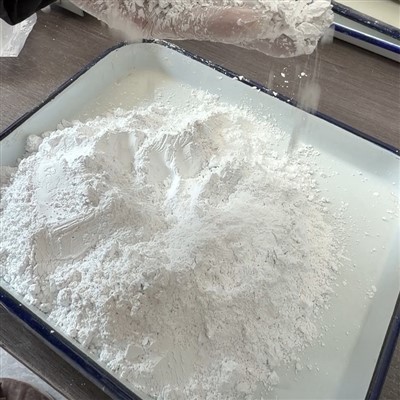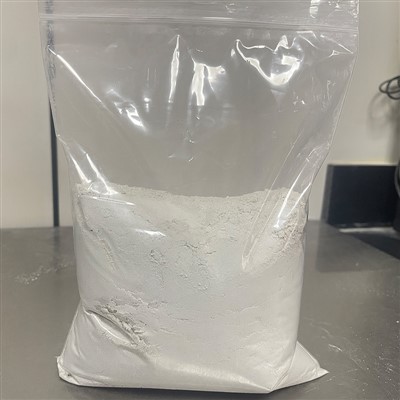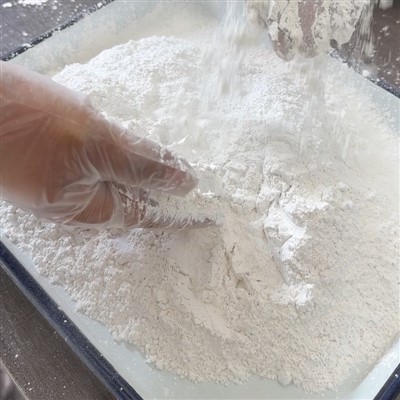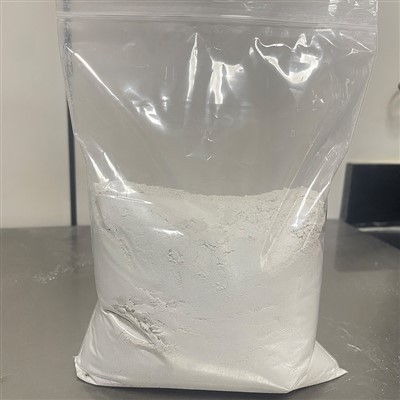
Dolomite powder, a versatile mineral product, has been a subject of interest in various industries, especially in the plastics sector. As a leading dolomite powder supplier, I've witnessed firsthand the growing curiosity about its potential as a filler in plastics. In this blog, we'll explore the feasibility of using dolomite powder as a filler in plastics, examining its properties, benefits, and challenges.
Properties of Dolomite Powder
Dolomite is a carbonate mineral composed of calcium magnesium carbonate [CaMg(CO₃)₂]. When processed into powder form, it exhibits several key properties that make it an attractive option for use in plastics.
- Particle Size and Shape: Dolomite powder can be produced in a range of particle sizes, from fine to coarse. The particle size distribution plays a crucial role in determining its performance as a filler. Fine particles can provide better dispersion and surface coverage, while coarser particles may offer improved stiffness and impact resistance.
- Chemical Composition: The chemical composition of dolomite powder influences its compatibility with plastics. The presence of calcium and magnesium carbonates can enhance the thermal stability and flame retardancy of the plastic matrix. Additionally, the alkaline nature of dolomite can help neutralize acidic by - products during the processing of plastics.
- Hardness and Abrasion Resistance: Dolomite has a relatively high hardness, which can contribute to the wear resistance of plastics. This property is particularly beneficial in applications where the plastic is exposed to abrasive environments.
Benefits of Using Dolomite Powder as a Filler in Plastics
There are several advantages to incorporating dolomite powder as a filler in plastics:
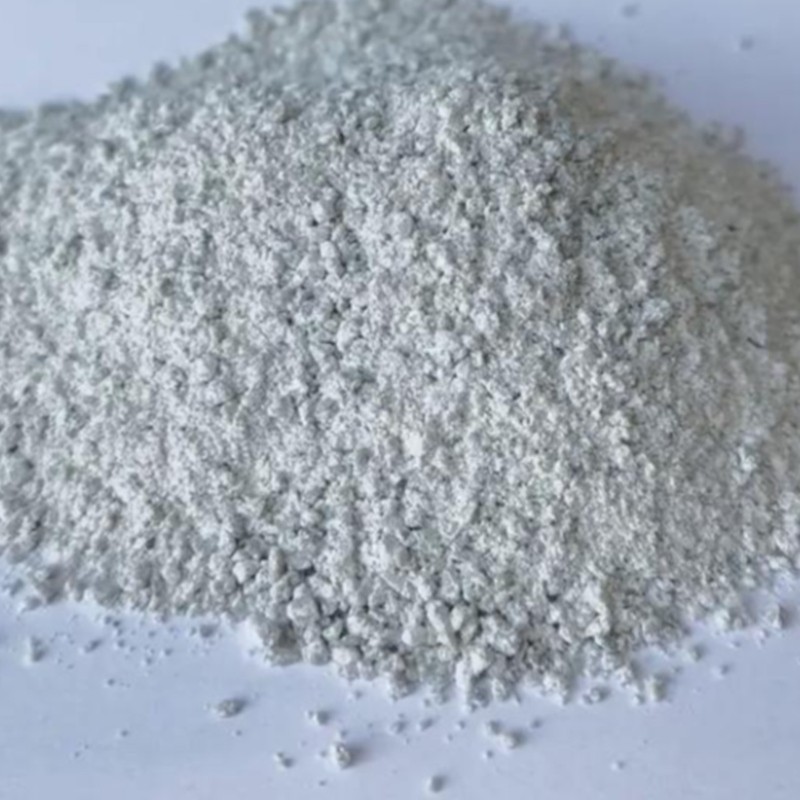

- Cost - Effectiveness: Dolomite is a relatively abundant and inexpensive mineral. Using it as a filler can significantly reduce the cost of plastic production without sacrificing too much in terms of performance. This makes it an attractive option for manufacturers looking to cut down on material costs.
- Improved Mechanical Properties: Dolomite powder can enhance the mechanical properties of plastics. It can increase the stiffness, tensile strength, and impact resistance of the plastic matrix. For example, in polypropylene, the addition of dolomite powder can improve the flexural modulus, making the plastic more rigid and less prone to deformation.
- Enhanced Thermal Properties: The thermal stability of plastics can be improved by adding dolomite powder. The carbonate components in dolomite can decompose at high temperatures, absorbing heat and releasing carbon dioxide, which can act as a flame retardant. This property is valuable in applications where fire safety is a concern.
- Environmental Benefits: Dolomite is a natural mineral, and using it as a filler in plastics can reduce the reliance on synthetic fillers. This can have a positive impact on the environment by reducing the consumption of non - renewable resources.
Challenges of Using Dolomite Powder as a Filler in Plastics
While there are many benefits, there are also some challenges associated with using dolomite powder as a filler in plastics:
- Dispersion Issues: Achieving uniform dispersion of dolomite powder in the plastic matrix can be difficult. If the powder is not well - dispersed, it can lead to agglomeration, which can negatively affect the mechanical properties of the plastic. This requires the use of appropriate dispersing agents and processing techniques.
- Moisture Absorption: Dolomite powder has a tendency to absorb moisture, which can cause problems during the processing of plastics. Moisture can lead to foaming, reduced mechanical properties, and surface defects in the final product. To mitigate this issue, the dolomite powder needs to be properly dried before use.
- Compatibility with Resins: The compatibility of dolomite powder with different types of plastic resins can vary. Some resins may require surface treatment of the dolomite powder to improve the adhesion between the filler and the matrix. This can add to the complexity and cost of the production process.
Applications of Dolomite - Filled Plastics
Dolomite - filled plastics have a wide range of applications across different industries:
- Automotive Industry: In the automotive sector, dolomite - filled plastics are used for interior and exterior parts. The improved stiffness and impact resistance make them suitable for components such as bumpers, dashboards, and door panels.
- Packaging Industry: Dolomite - filled plastics can be used in packaging applications. The cost - effectiveness and improved mechanical properties make them an attractive option for producing containers, trays, and films.
- Construction Industry: In construction, dolomite - filled plastics are used for pipes, profiles, and insulation materials. The enhanced thermal stability and mechanical strength are beneficial in these applications.
Our Dolomite Powder Products
As a dolomite powder supplier, we offer a variety of high - quality products, including Dolomite Marble Powder, Dolomite Dust, and White Dolomite Powder. Our products are carefully processed to ensure consistent particle size, chemical composition, and quality. We can also customize the properties of our dolomite powder to meet the specific requirements of our customers.
Conclusion
In conclusion, dolomite powder has the potential to be an effective filler in plastics. Its cost - effectiveness, ability to improve mechanical and thermal properties, and environmental benefits make it an attractive option for plastic manufacturers. However, challenges such as dispersion, moisture absorption, and compatibility need to be addressed. As a dolomite powder supplier, we are committed to providing high - quality products and technical support to help our customers overcome these challenges and fully realize the potential of dolomite powder in plastics.
If you are interested in using dolomite powder as a filler in your plastic products, we encourage you to contact us for a detailed discussion. We can provide samples, technical data, and guidance on the best way to incorporate our dolomite powder into your manufacturing process.
References
- ASTM International. (20XX). Standard test methods for plastics.
- Plastics Additives Handbook. (20XX). Hanser Publishers.
- Mineral Processing and Extractive Metallurgy Review. (20XX). Taylor & Francis.